Pen nib gold inscribed
1344×768 · AVIF · CC BY 4.0
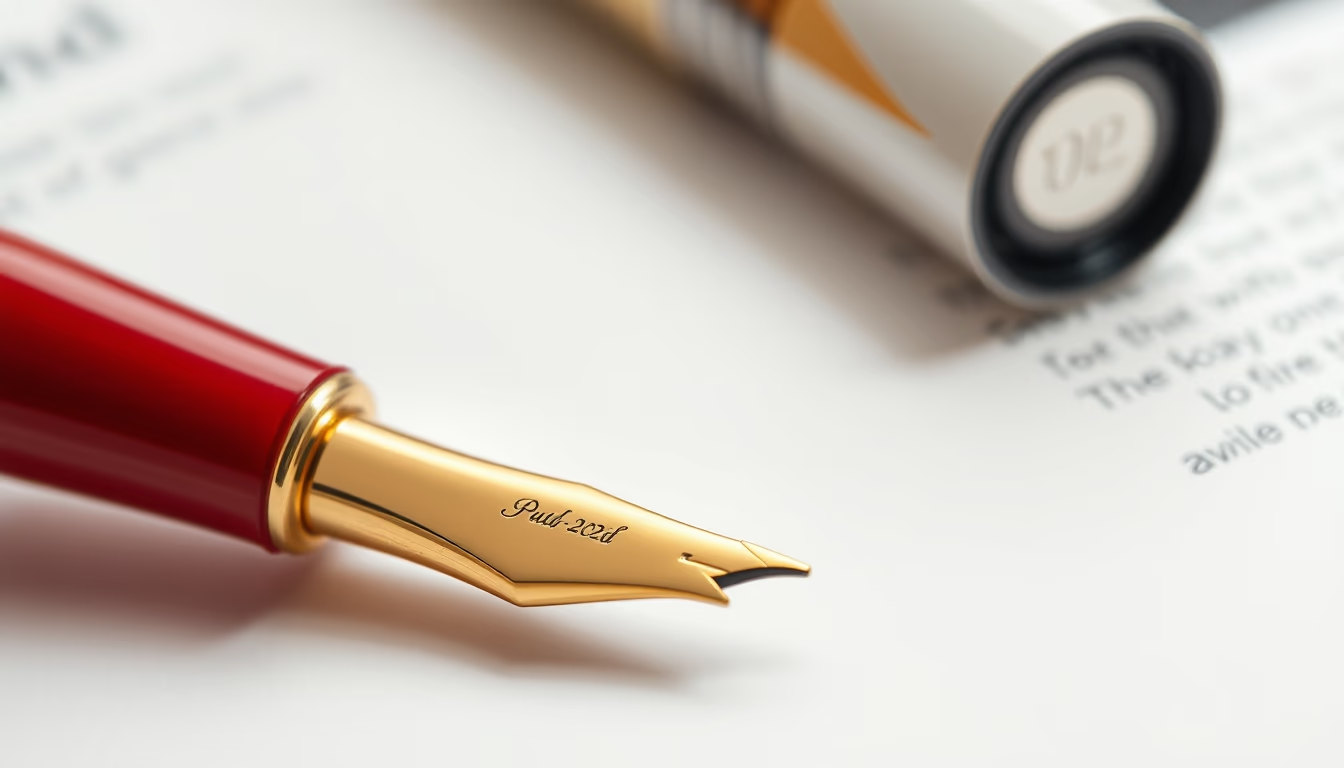
Gold fountain pen nib with inscription: characteristics, manufacturing, and historical value among collectors.
About this subject
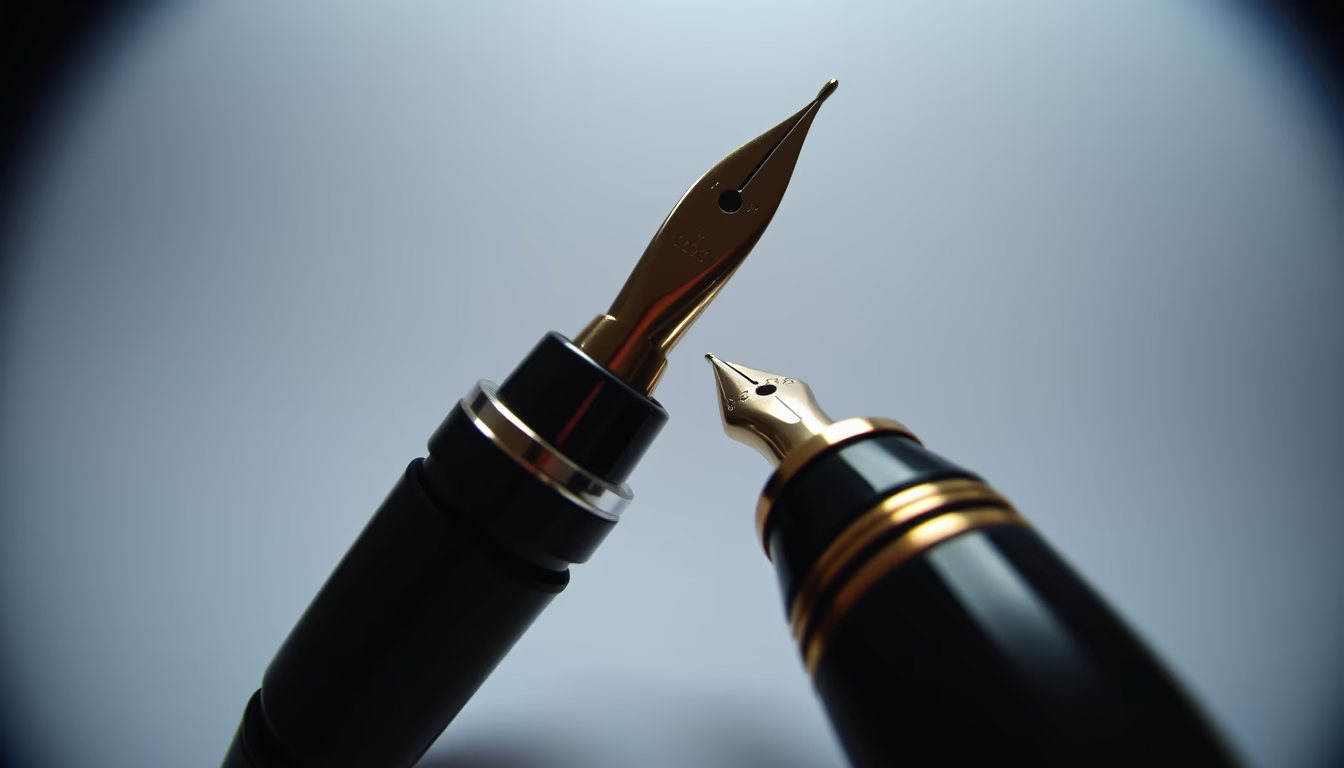
A gold fountain pen nib represents the pinnacle of tradition in handwriting. Since the late 19th century, manufacturers such as Montblanc, Pelikan, and Waterman have used gold alloys (14K or 18K) for their controlled flexibility and corrosion resistance. The inscription, laser-engraved or stamped, usually indicates metal purity, model number, or manufacturer logo. Gold nibs are more malleable than steel, allowing line variation under pressure, a feature valued by calligraphers and enthusiasts.
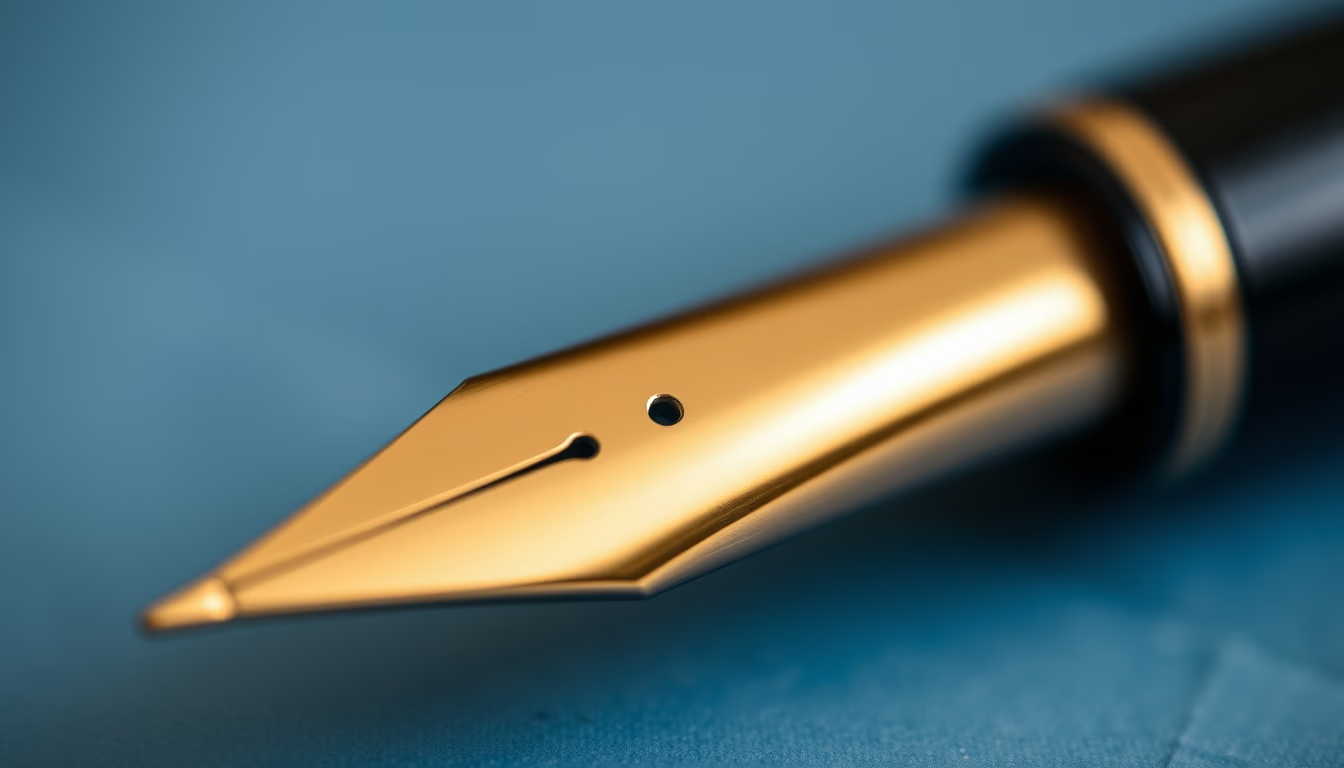
Manufacturing involves cutting a gold sheet, stamping the shape, cutting the central slit, and welding an iridium (or similar) tip to the end. Iridium, a hard and wear-resistant metal, ensures durability. The slit and breather hole control ink flow via capillary action. Modern nibs may be gold-plated over steel, but solid gold ones are rarer and more valuable.
In the collector’s market, vintage gold nibs with inscriptions or from limited series fetch high prices. For example, nibs from Parker “51” or 1950s Montblanc Meisterstück pens are sought after. The inscription can also reveal the manufacturing date or factory of origin. Proper maintenance includes periodic cleaning to prevent ink clogging and storage in a dry place, as humidity can damage the feed mechanism.
Interestingly, the flexibility of a gold nib varies with width: finer nibs (EF, F) tend to be stiffer, while broader ones (B, BB) offer greater flexibility. Some manufacturers produce gold nibs with rhodium or ruthenium plating to alter appearance and hardness. Choosing between gold and steel depends on personal taste and purpose: for daily writing, steel suffices; for artistic expression, gold is preferred.
Frequently Asked Questions
What is the difference between a gold nib and a steel nib?
Gold nibs are more flexible and corrosion-resistant, providing line variation. Steel nibs are stiffer and more durable, but less responsive to writing pressure.
What do the inscriptions on a gold nib mean?
They usually indicate gold purity (e.g., 14K, 18K), manufacturer, model number, or nib size. Vintage inscriptions may include the date or place of manufacture.
How should I care for a gold nib?
Clean with lukewarm water and dry after each use. Avoid excessive pressure when writing. Store in a dry, dust-free place. Use fountain pen-specific inks to prevent clogging.
Direct URL
https://pub-c7d6a6ea828543ac903a74a341ccb2e1.r2.dev/imagens/pen-nib-gold-inscribed-magazine-editorial-fresh7.avifHow to credit
Include a visible link back to UtilizAí. Copy one of the snippets below:
<a href="https://xn--utiliza-eza.com/en/midia/imagens/pen-nib-gold-inscribed-magazine-editorial-fresh7">Pen nib gold inscribed</a> by <a href="https://xn--utiliza-eza.com">UtilizAí</a>, licensed under <a href="https://creativecommons.org/licenses/by/4.0/">CC BY 4.0</a>.
[Pen nib gold inscribed](https://xn--utiliza-eza.com/en/midia/imagens/pen-nib-gold-inscribed-magazine-editorial-fresh7) by [UtilizAí](https://xn--utiliza-eza.com), CC BY 4.0
License: CC-BY-4.0