Pen nib gold inscribed
1344×768 · AVIF · CC BY 4.0
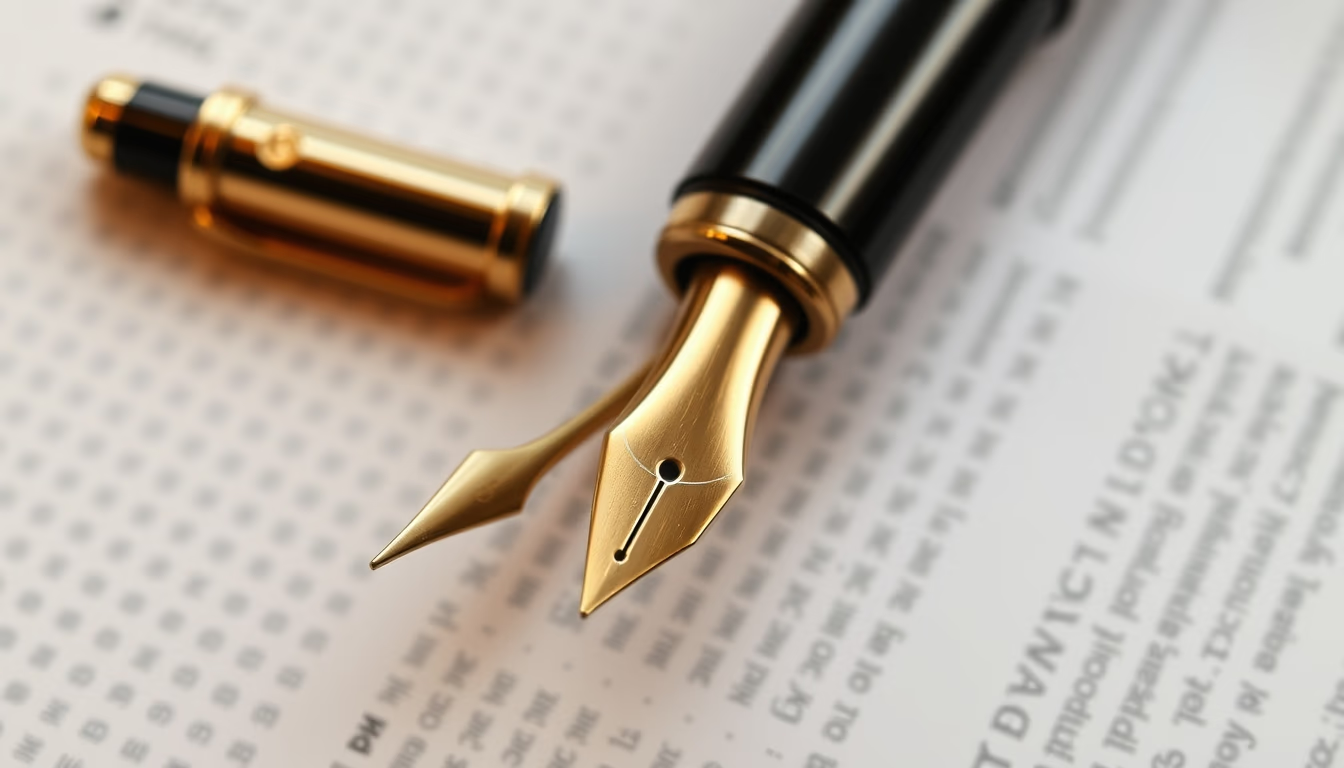
Gold inscribed pen nib: details on manufacturing, advantages of gold, and the art of calligraphy.
About this subject
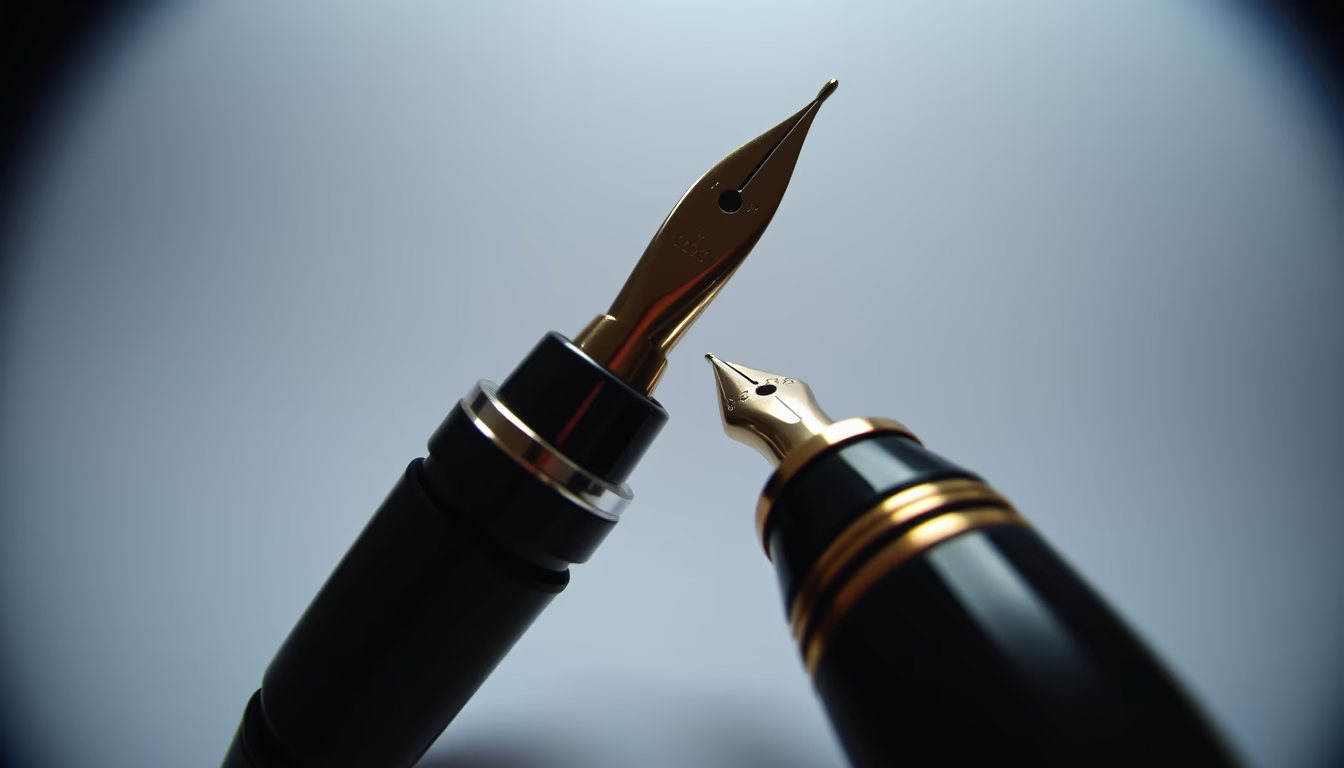
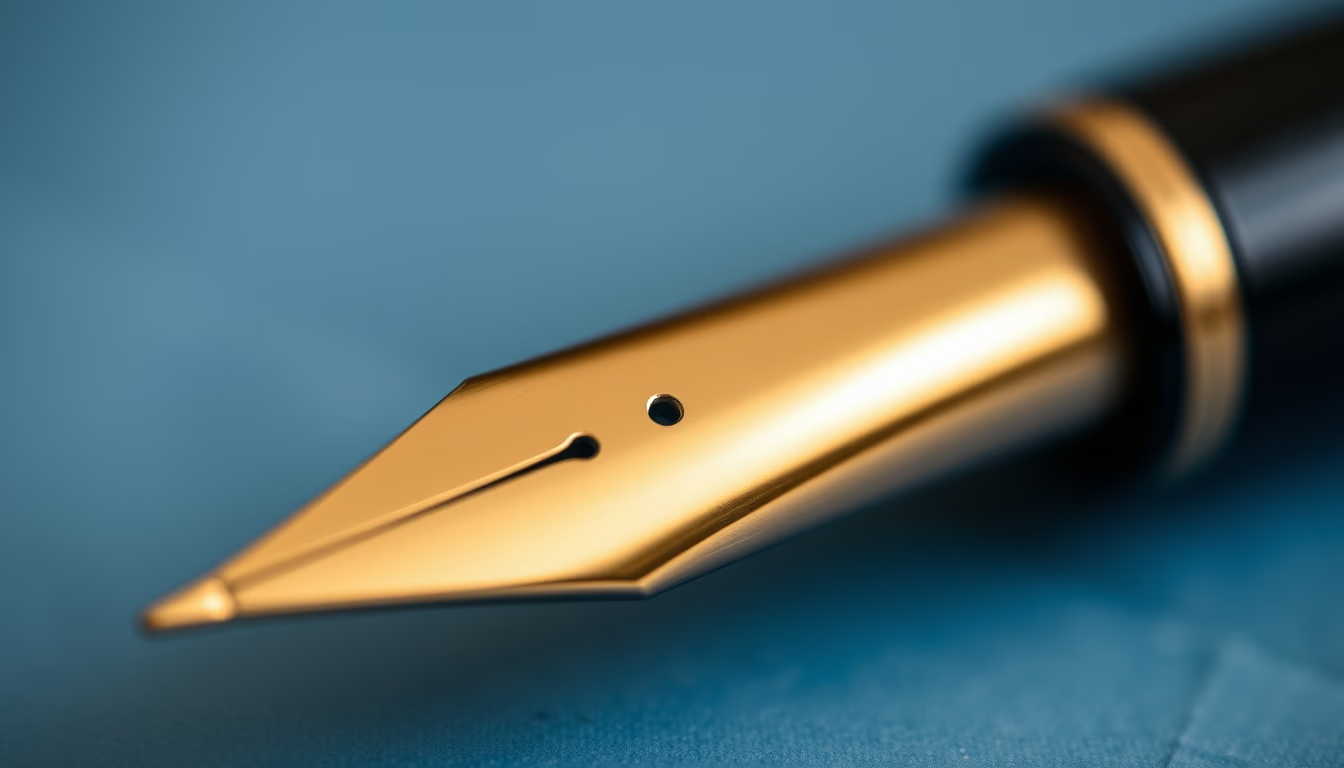
The gold nib is one of the most valued components in high-quality fountain pens. Traditionally, 14K or 18K gold alloys are used for their corrosion resistance and controlled flexibility, providing smooth writing that adapts to the user's pressure. The inscription on the nib can include the manufacturer's mark, point size (EF, F, M, B), or even a personalized name, a common practice in luxury pens.
Gold nib production involves cutting, stamping, welding an iridium tip (for durability), and polishing. Brands like Montblanc, Pelikan, and Waterman are known for their intricately engraved nibs, such as Montblanc's iconic '4810'. Nib width ranges from extra-fine for detailed writing to broad for expressive calligraphy.
Globally, fountain pens enjoy a dedicated community of collectors and calligraphers. Gold nibs are prized for their ability to develop a unique patina and for the personalized writing experience they offer. Inscriptions often denote limited editions or custom orders, adding historical and sentimental value.
Interesting fact: many collectors seek vintage nibs with unique engravings that tell the story of manufacturing and writing styles from different eras. Proper maintenance, such as cleaning with distilled water, ensures the inscription remains legible for decades.
Frequently Asked Questions
Why are fountain pen nibs made of gold?
Gold is used for its corrosion resistance and flexibility. It allows refined ink flow control and adapts to writing pressure, resulting in a smoother, more personalized experience. Alloys like 14K and 18K balance durability and softness.
What does the inscription on a gold nib mean?
The inscription typically indicates the manufacturer's mark, nib size (e.g., F for fine, M for medium), or decorative design. In customized pens, it can include initials or logos. It serves both identification and aesthetic purposes.
How to choose the ideal nib size for calligraphy?
For calligraphy, broad (B, BB) or flexible nibs are preferred for producing line variation. Fine sizes (EF, F) are better for everyday writing. The choice depends on the desired style: italic, copperplate, or modern lettering.
Direct URL
https://pub-c7d6a6ea828543ac903a74a341ccb2e1.r2.dev/imagens/pen-nib-gold-inscribed-isometric-flat-lay-fresh16.avifHow to credit
Include a visible link back to UtilizAí. Copy one of the snippets below:
<a href="https://xn--utiliza-eza.com/en/midia/imagens/pen-nib-gold-inscribed-isometric-flat-lay-fresh16">Pen nib gold inscribed</a> by <a href="https://xn--utiliza-eza.com">UtilizAí</a>, licensed under <a href="https://creativecommons.org/licenses/by/4.0/">CC BY 4.0</a>.
[Pen nib gold inscribed](https://xn--utiliza-eza.com/en/midia/imagens/pen-nib-gold-inscribed-isometric-flat-lay-fresh16) by [UtilizAí](https://xn--utiliza-eza.com), CC BY 4.0
License: CC-BY-4.0