Papercraft architecture
1344×768 · AVIF · CC BY 4.0
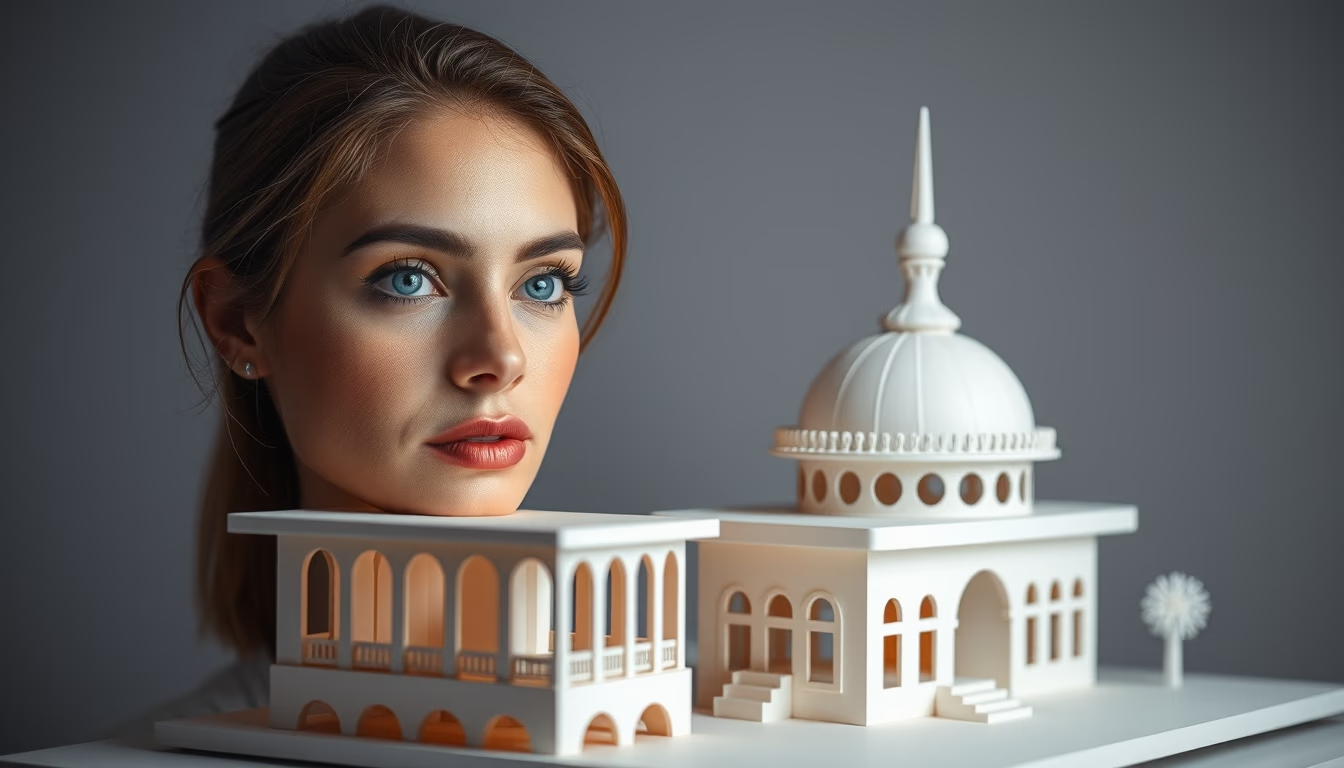
Papercraft architecture combines engineering precision and manual artistry in detailed models of buildings, cities, and monuments, prized by architects and collectors alike.
About this subject
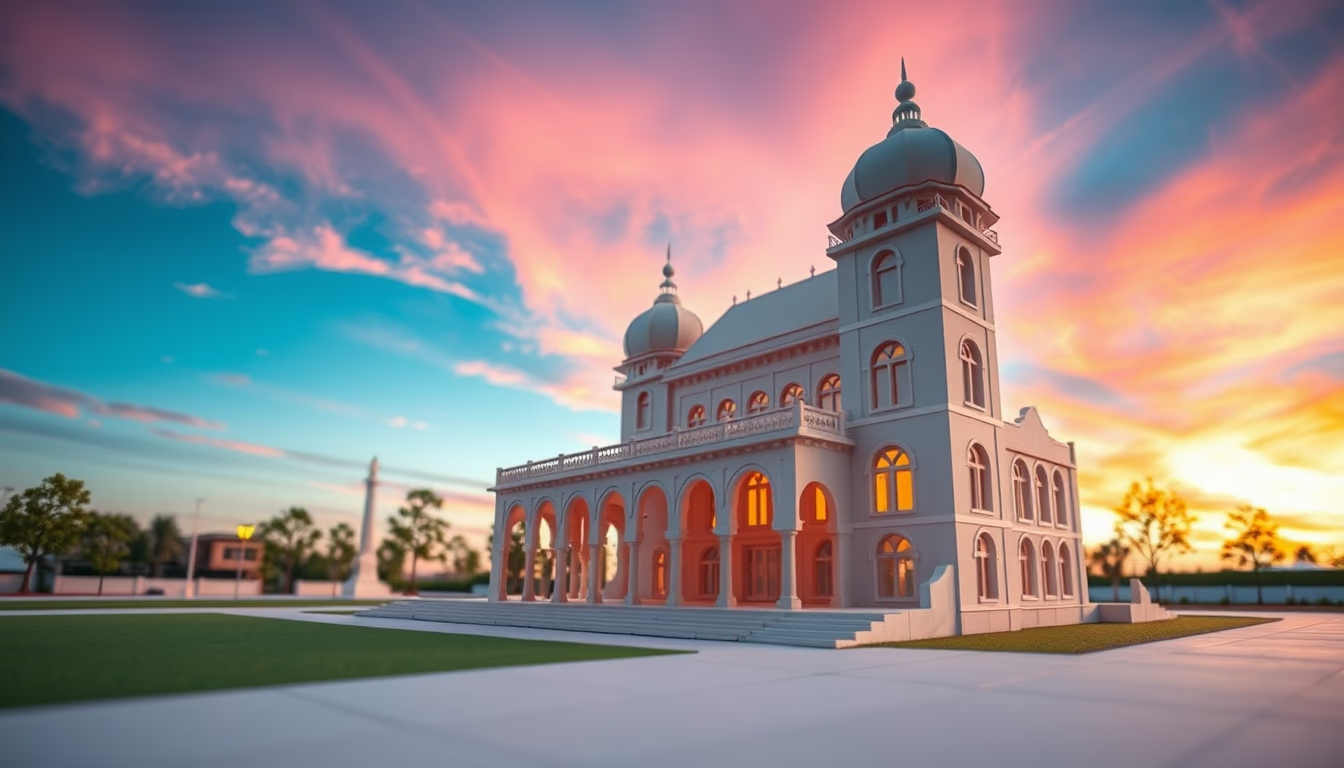
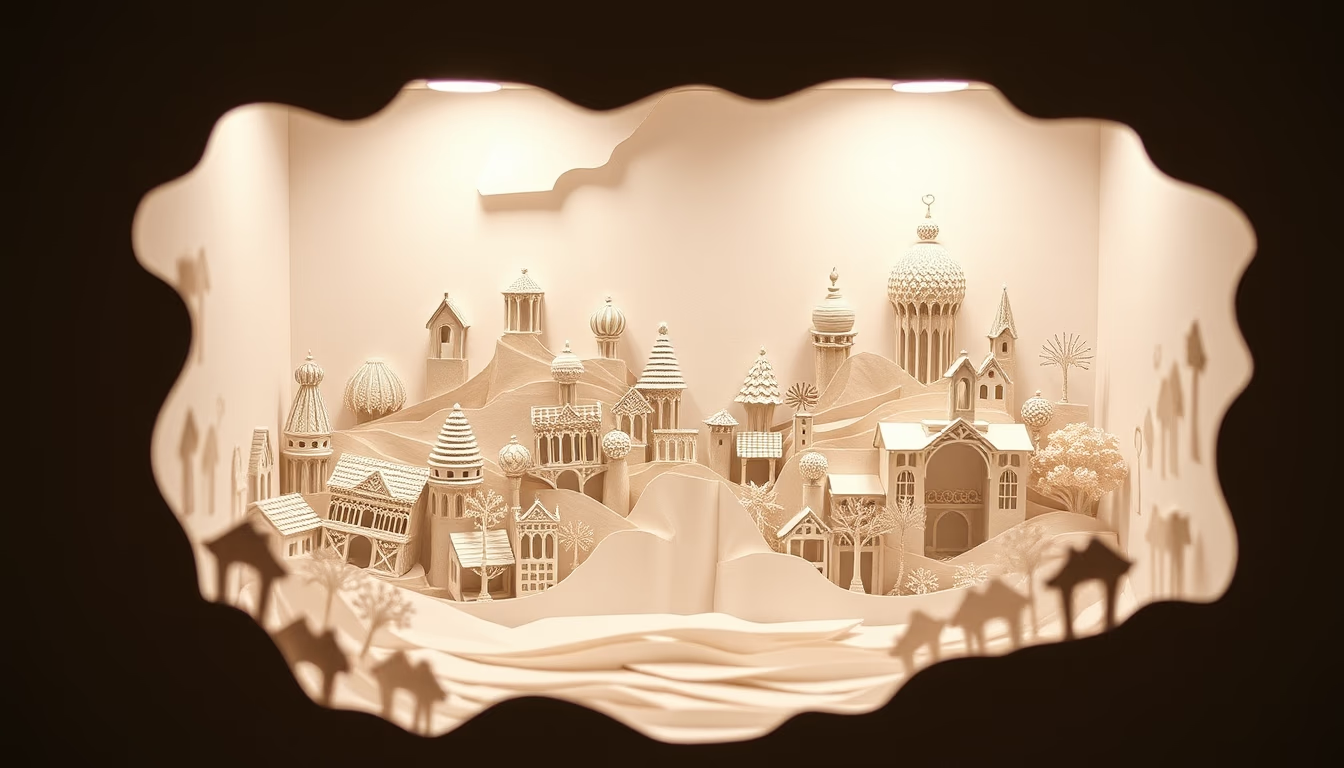
Papercraft architecture is the technique of building three-dimensional replicas of architectural structures using hand-cut and folded paper or cardstock. Unlike traditional architectural models made of wood or acrylic, papercraft stands out for its low cost, lightness, and ability to reproduce complex details with high fidelity. Architects and designers use these models for volumetric study and conceptual presentations, while hobbyists create everything from historic houses to futuristic skyscrapers.
The origins of papercraft trace back to 19th-century Europe with early cut-out toys, but it gained momentum in post-war Japan with origami and so-called "paper toys." In architecture, German artist Albrecht Dürer sketched three-dimensional folds as early as the 16th century. Today, artists like American Charles Young and Japanese Wataru Itou elevate the technique to art, displayed in galleries and biennales. The process demands patience: a single construction can take dozens of hours, with precise cuts and millimeter-perfect creases.
Culturally, architectural papercraft ties into sustainability, as it uses recyclable paper and generates little waste. It is also a powerful educational tool: architecture schools worldwide include papercraft workshops to teach spatial geometry and proportion. In Brazil, the movement spreads through online communities like the "Papercraft Brasil" group, which gathers hundreds of enthusiasts exchanging templates and tips. Exhibitions such as "Paper Architecture" at the São Paulo Museum of Art (MASP) in 2019 showcased the technique's versatility.
Technically, architectural papercraft models fall into two types: layering (overlapping layers) and folding (a single cut and creased sheet). Software like Pepakura and Silhouette Studio automates template creation from 3D models, popularizing the hobby. Common scales are 1:100, 1:200, and 1:500. Collectors seek paper kits of famous buildings, such as the Sagrada Familia, Eiffel Tower, or the Museum of Tomorrow, sold in specialized stores.
Frequently Asked Questions
What is the difference between papercraft and origami?
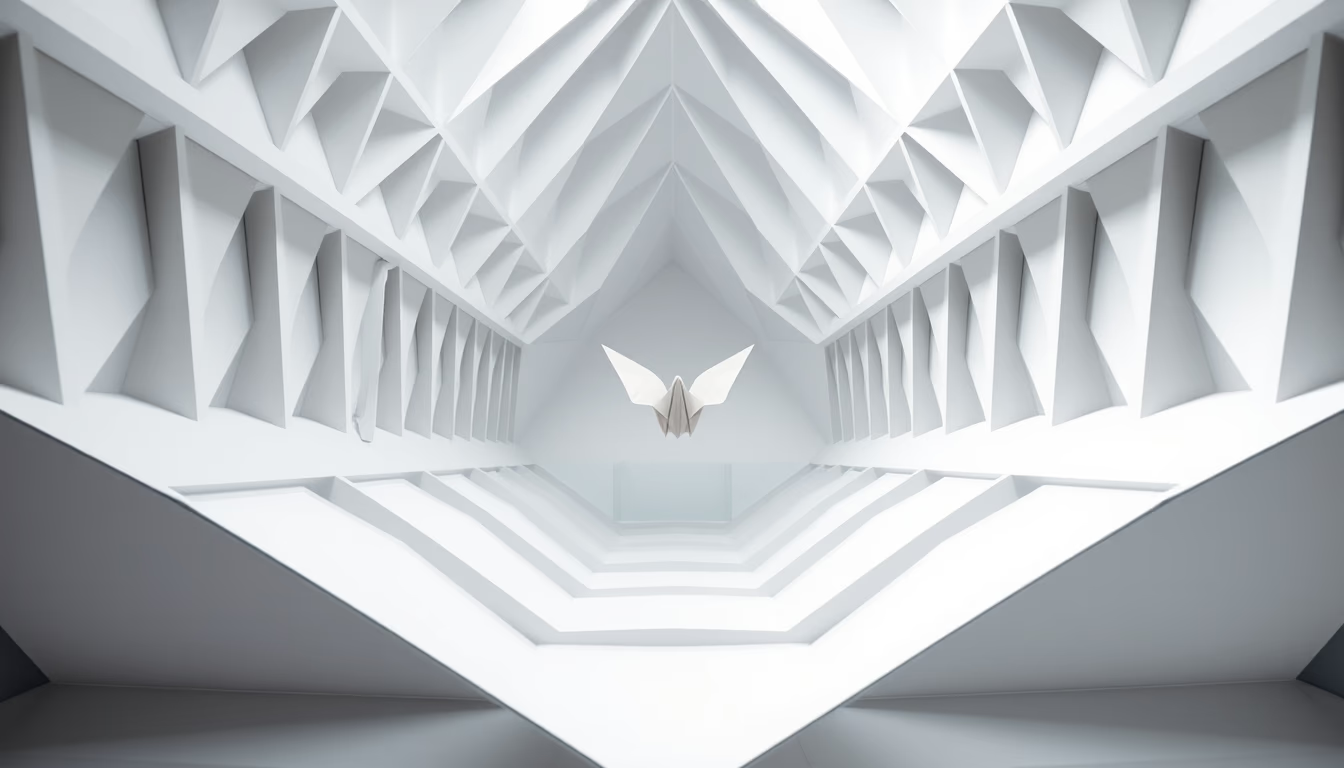
Origami folds a single sheet without cuts, while papercraft allows cutting and gluing multiple parts, enabling more complex structures like buildings.
What kind of paper is used in architectural papercraft?
Cardstock or coated paper from 180 to 300 gsm is recommended for firm folds. For fine details, 120 gsm bond paper works well.
Where can I find free architectural papercraft templates?
Websites like PaperReplika, Canon Creative Park, and the Papercraft Brasil forum offer hundreds of free PDF models to download and assemble.
Direct URL
https://pub-c7d6a6ea828543ac903a74a341ccb2e1.r2.dev/imagens/papercraft-architecture-studio-editorial-portrait-fresh5.avifHow to credit
Include a visible link back to UtilizAí. Copy one of the snippets below:
<a href="https://xn--utiliza-eza.com/en/midia/imagens/papercraft-architecture-studio-editorial-portrait-fresh5">Papercraft architecture</a> by <a href="https://xn--utiliza-eza.com">UtilizAí</a>, licensed under <a href="https://creativecommons.org/licenses/by/4.0/">CC BY 4.0</a>.
[Papercraft architecture](https://xn--utiliza-eza.com/en/midia/imagens/papercraft-architecture-studio-editorial-portrait-fresh5) by [UtilizAí](https://xn--utiliza-eza.com), CC BY 4.0
License: CC-BY-4.0