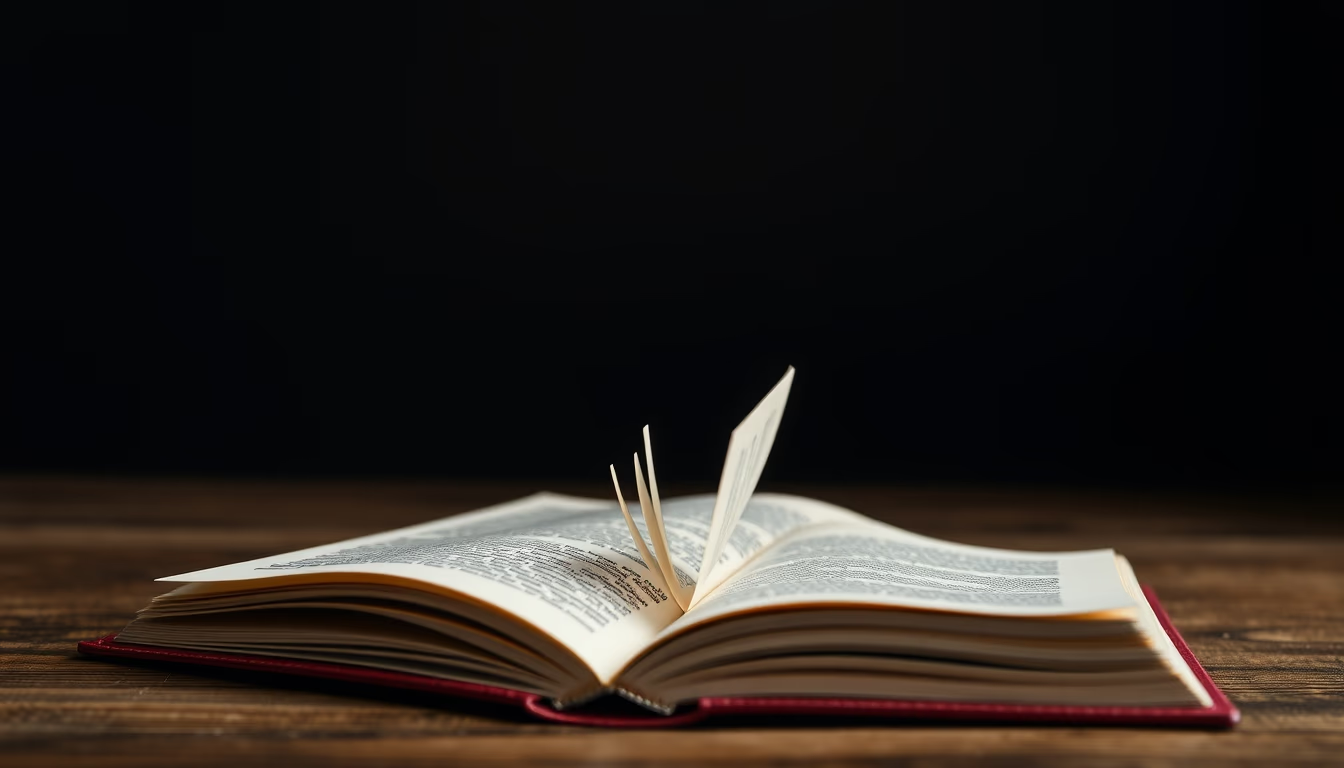
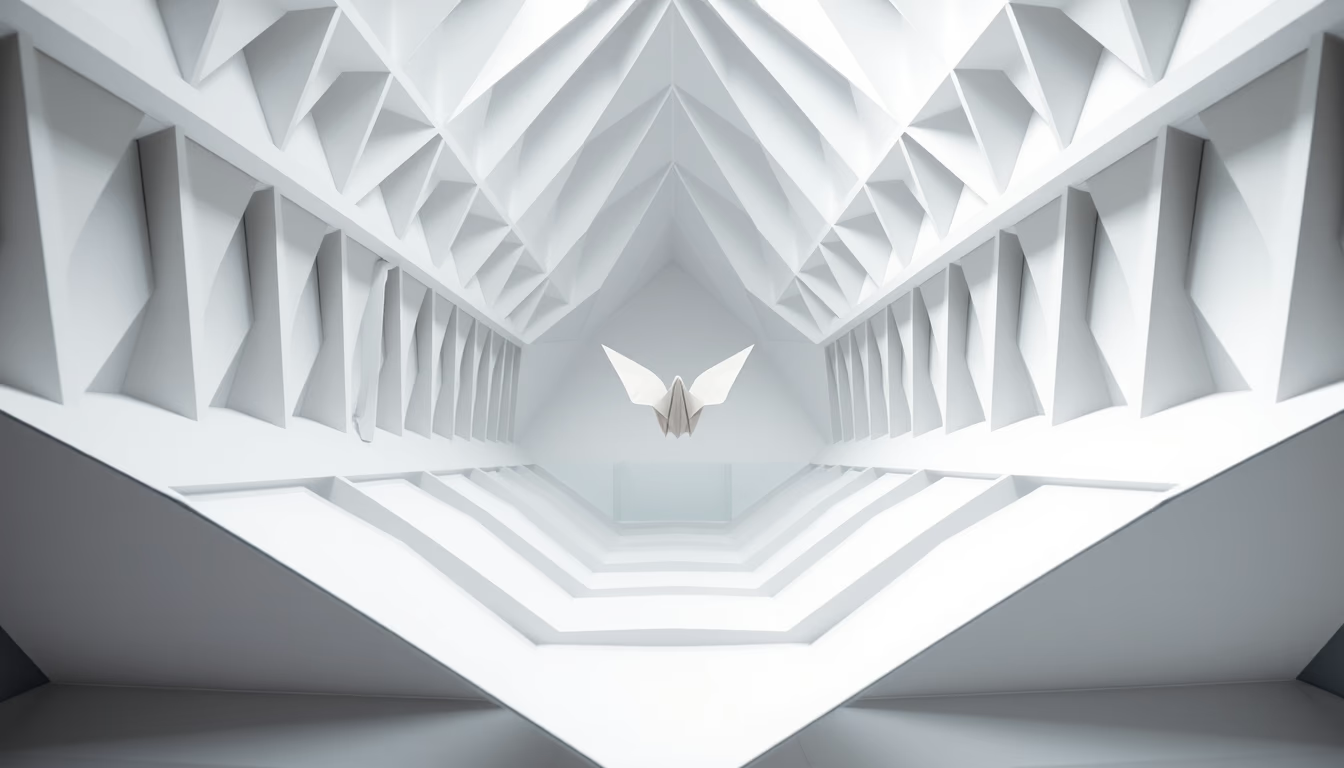
Papercraft architecture
1344×768 · AVIF · CC BY 4.0
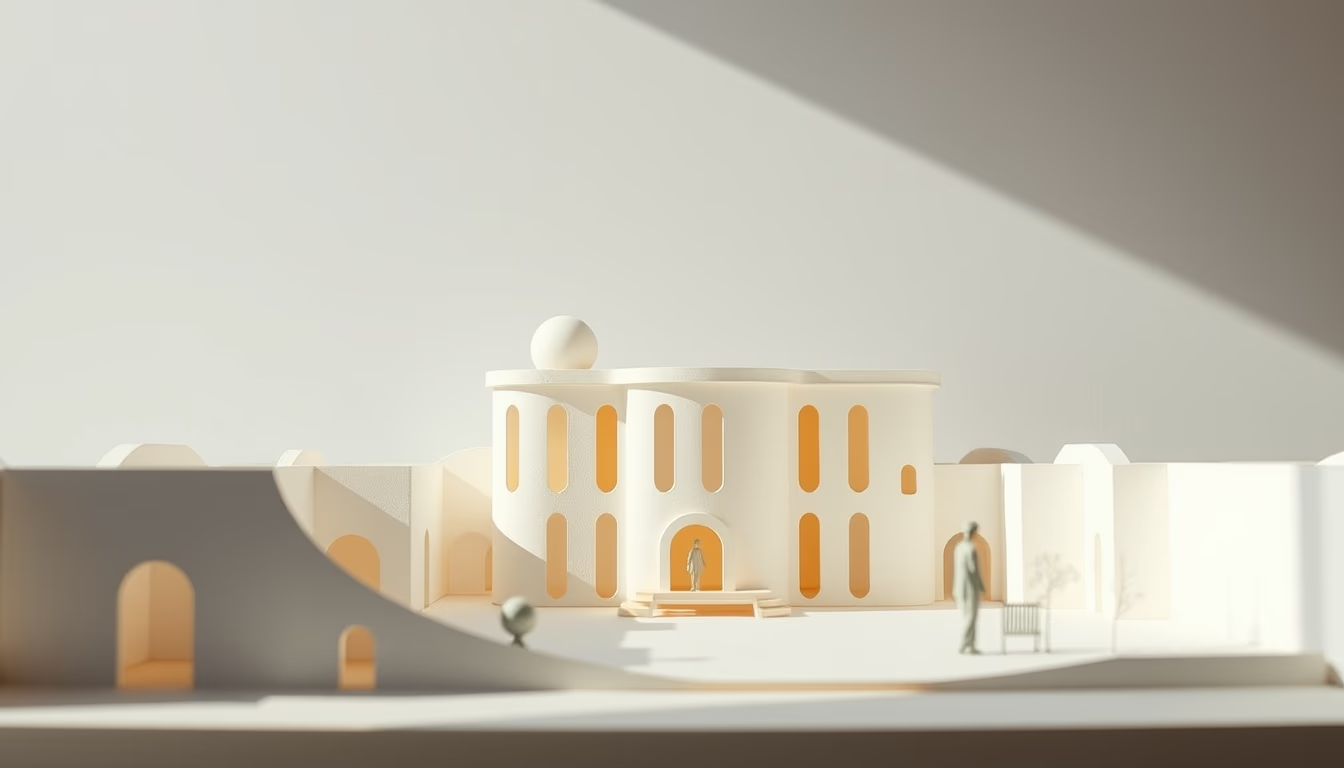
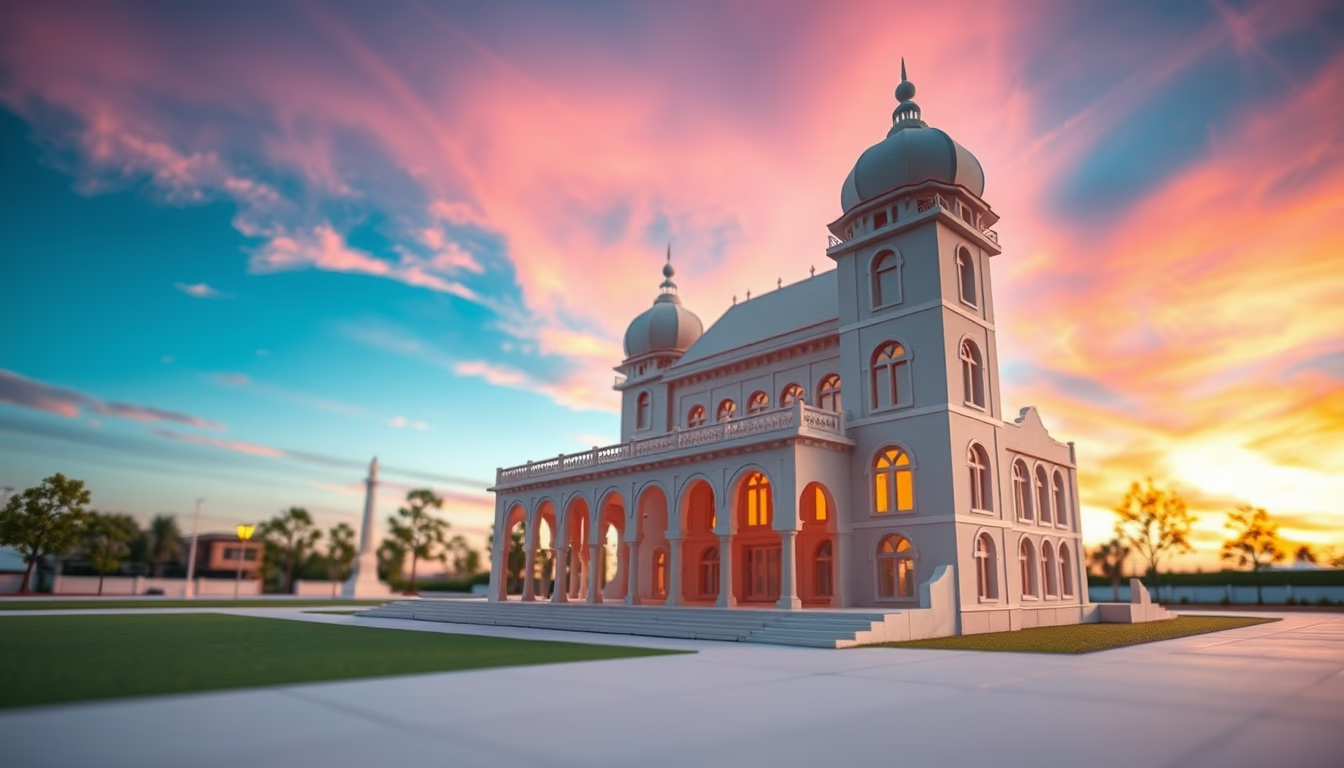
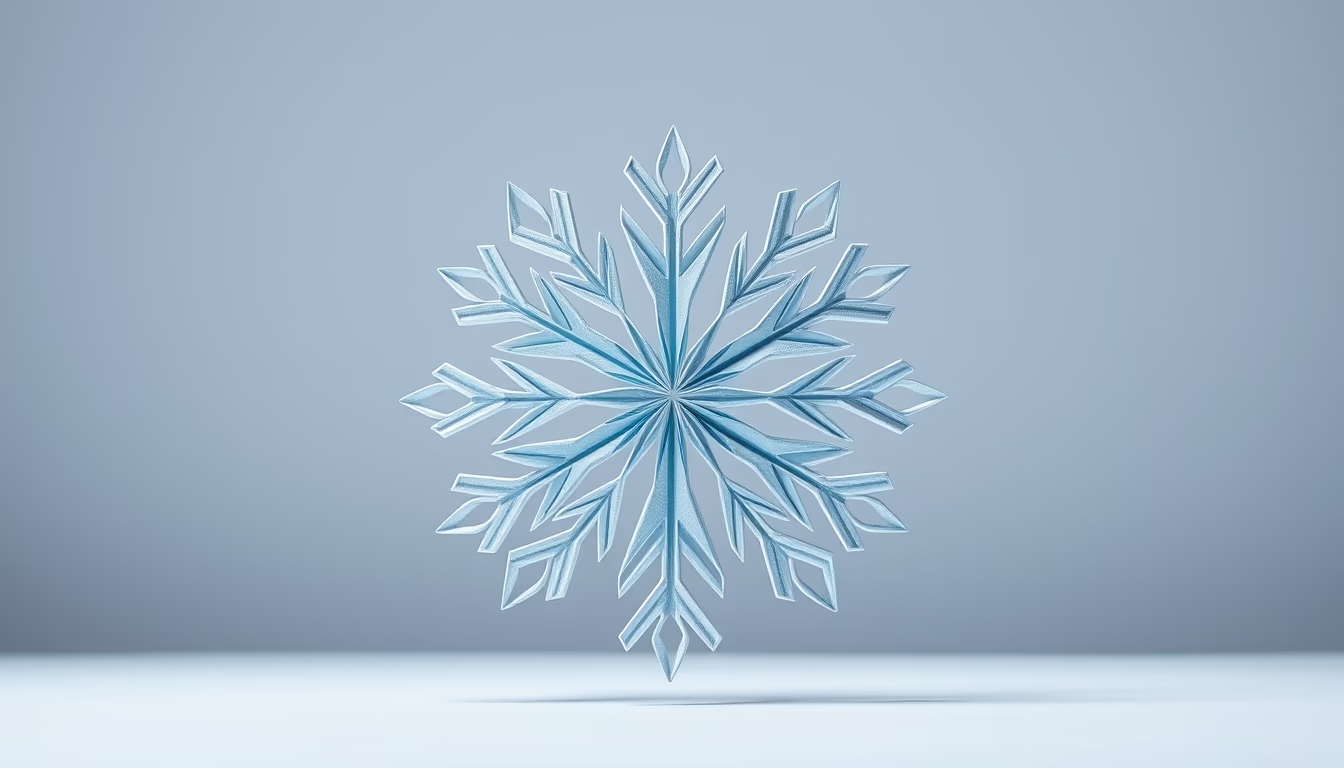
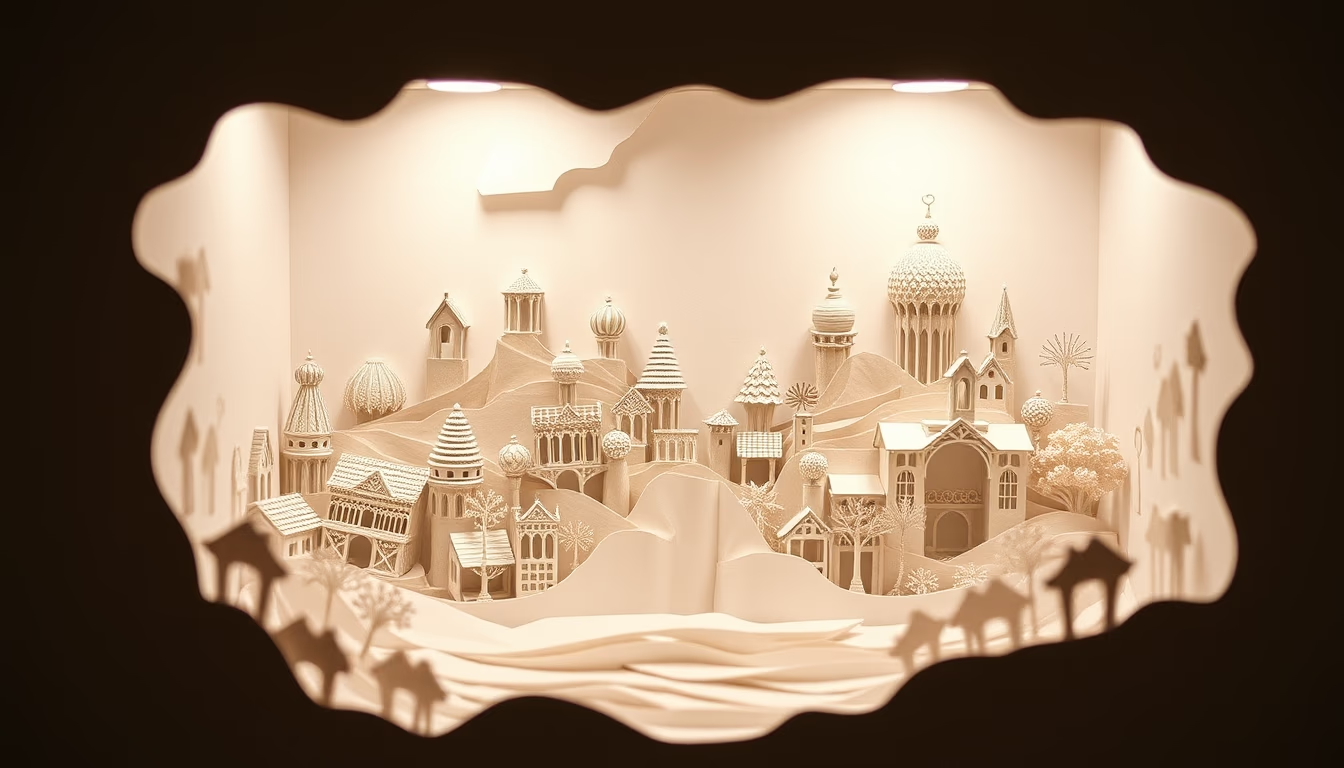
Papercraft architecture merges architectural design precision with the lightness of paper, resulting in minimalist geometric compositions.
About this subject
Papercraft architecture is a modeling technique that uses cut and folded paper to reproduce architectural forms. Unlike origami, which relies solely on folds, papercraft involves cutting and gluing, enabling the creation of more complex structures. This art has gained global popularity, including in Brazil, where it is often used in architecture schools for rapid prototyping of conceptual models.
The minimalist style is characteristic: straight lines, neutral colors, and repetition of geometric modules. Artists and designers explore the tension between paper's fragility and the solidity of architectural forms, creating works that mimic concrete, glass, or steel. Many projects are original, but commercial kits are also available, allowing the assembly of replicas of landmarks like the Taj Mahal or Fallingwater.
Papercraft architecture is an accessible alternative for those wanting to experiment with spatial concepts without expensive materials. Sustainability is another advantage, as recycled paper can be used. The technique demands patience and precision, but results can be surprisingly robust and detailed, as demonstrated in exhibitions and workshops worldwide. Notable artists like Ingrid Siliakus and Eric Standley have elevated papercut and papercraft to a fine art, influencing architectural visualization.
Frequently Asked Questions
What is the difference between papercraft and origami?
Papercraft involves cutting and gluing paper, whereas origami uses only folding from a single sheet. Papercraft allows for more complex structures.
Is papercraft architecture used professionally?
Yes. Architects use paper models for concept testing and presentations. Artists create works for exhibitions and galleries.
What type of paper is best for papercraft?
Papers with a weight between 180g and 300g, such as cardstock or heavier copy paper, are common. Textured or metallic papers can also be used for special effects.
Direct URL
https://pub-c7d6a6ea828543ac903a74a341ccb2e1.r2.dev/imagens/papercraft-architecture-minimalist-composition-fresh8.avifHow to credit
Include a visible link back to UtilizAí. Copy one of the snippets below:
<a href="https://xn--utiliza-eza.com/en/midia/imagens/papercraft-architecture-minimalist-composition-fresh8">Papercraft architecture</a> by <a href="https://xn--utiliza-eza.com">UtilizAí</a>, licensed under <a href="https://creativecommons.org/licenses/by/4.0/">CC BY 4.0</a>.
[Papercraft architecture](https://xn--utiliza-eza.com/en/midia/imagens/papercraft-architecture-minimalist-composition-fresh8) by [UtilizAí](https://xn--utiliza-eza.com), CC BY 4.0
License: CC-BY-4.0