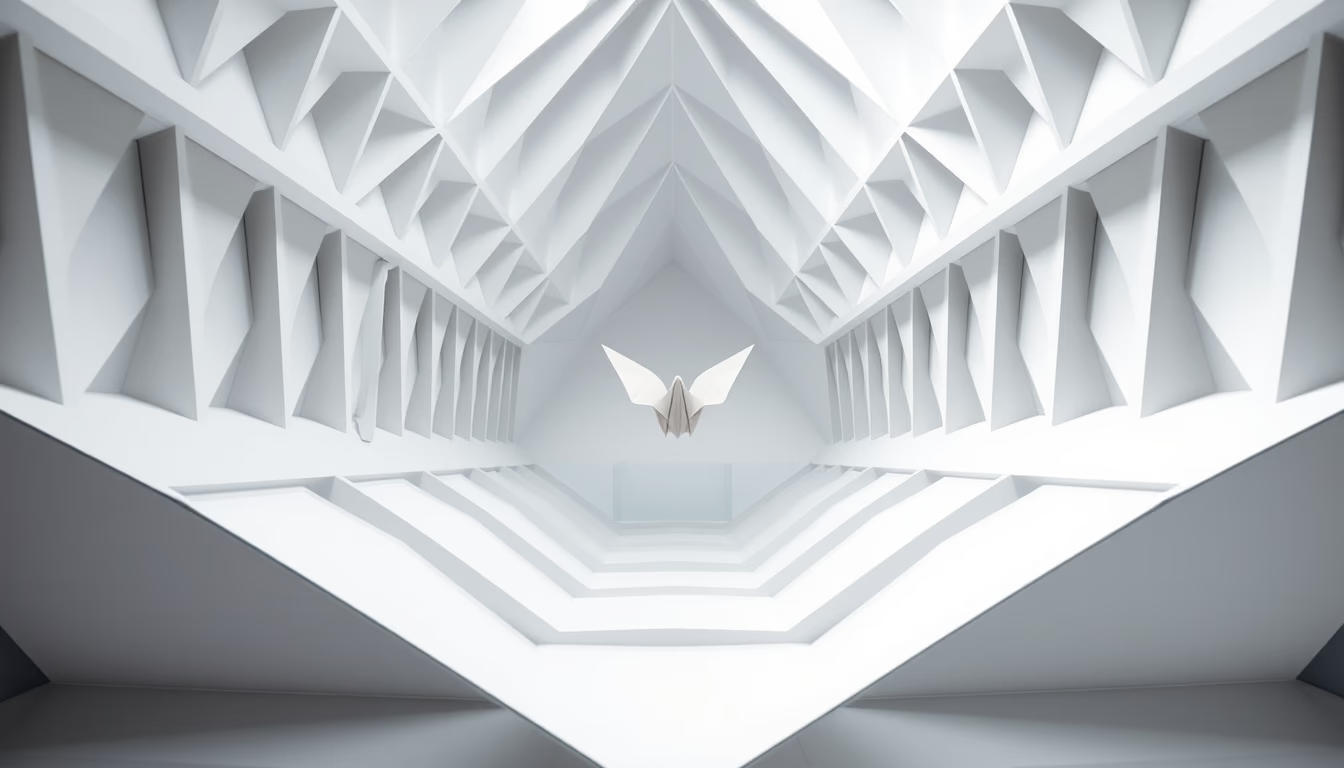
Papercraft architecture
1344×768 · AVIF · CC BY 4.0
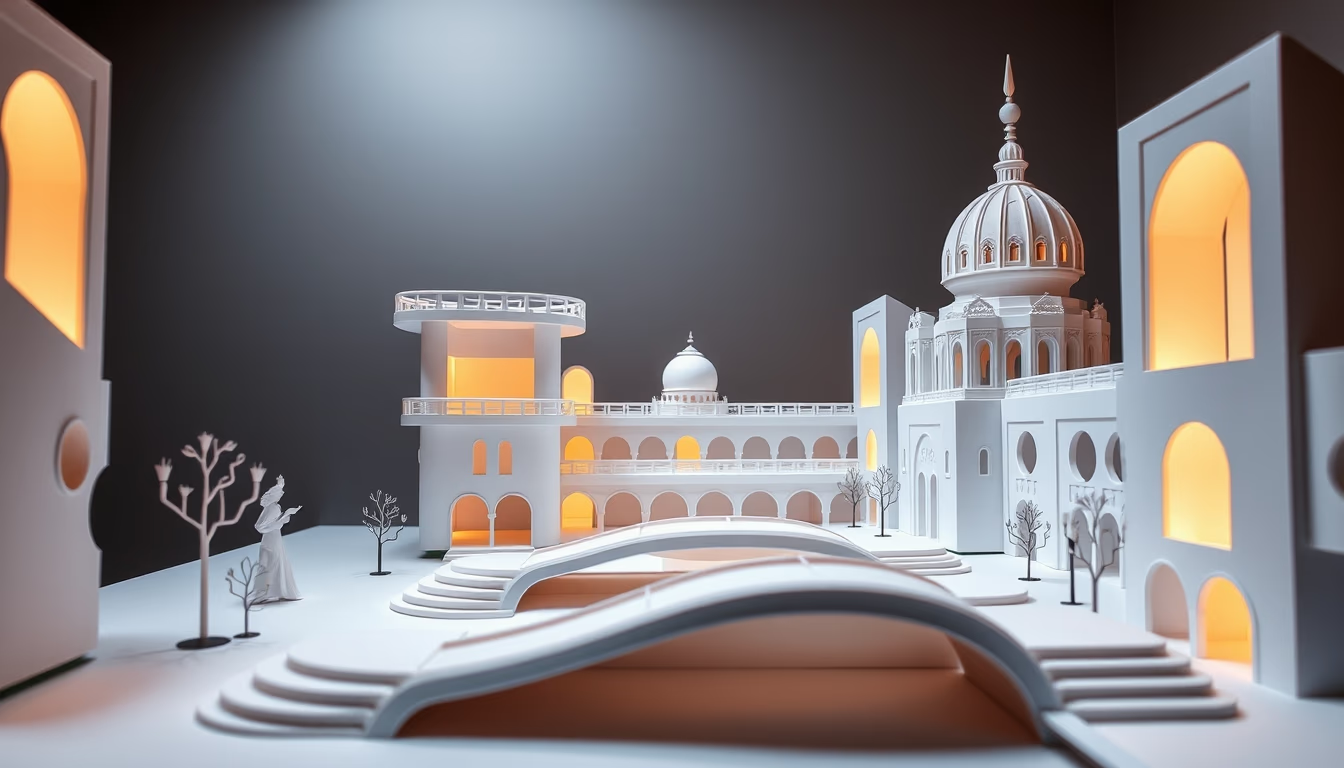
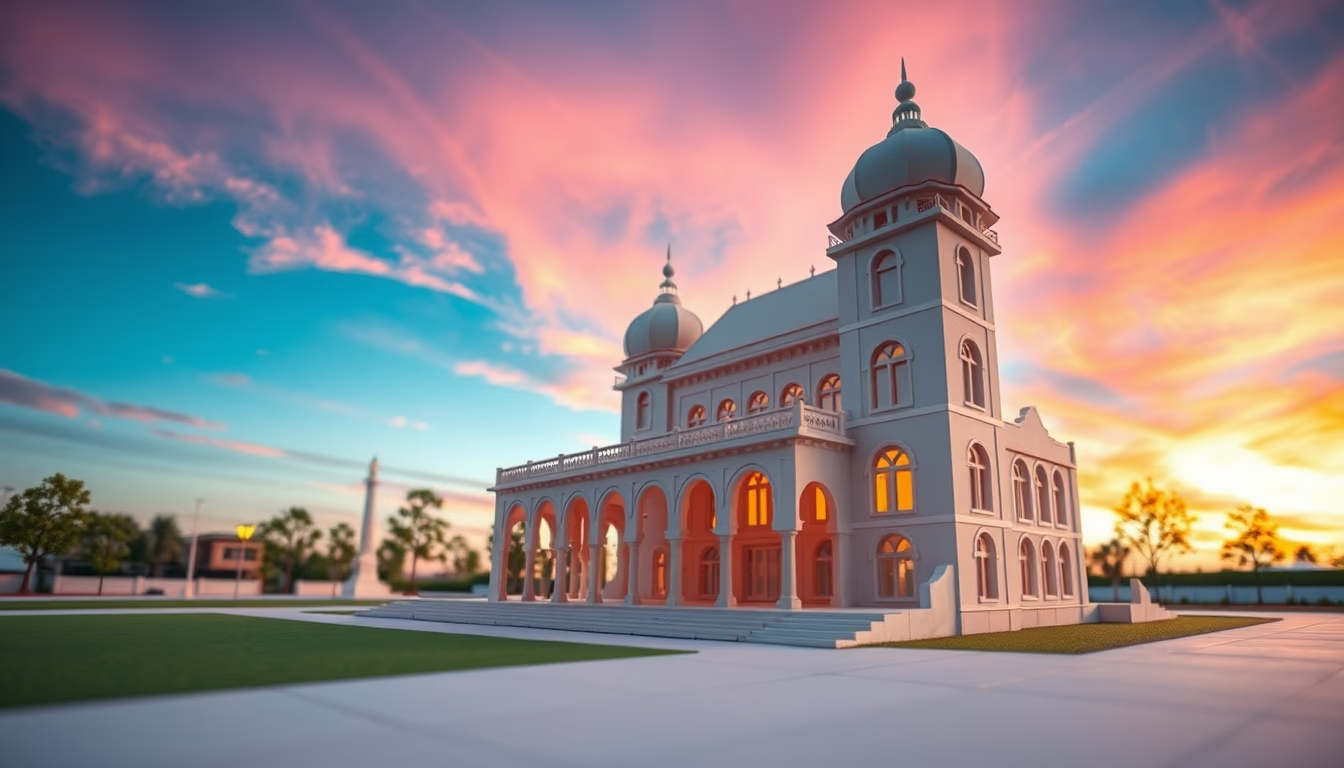
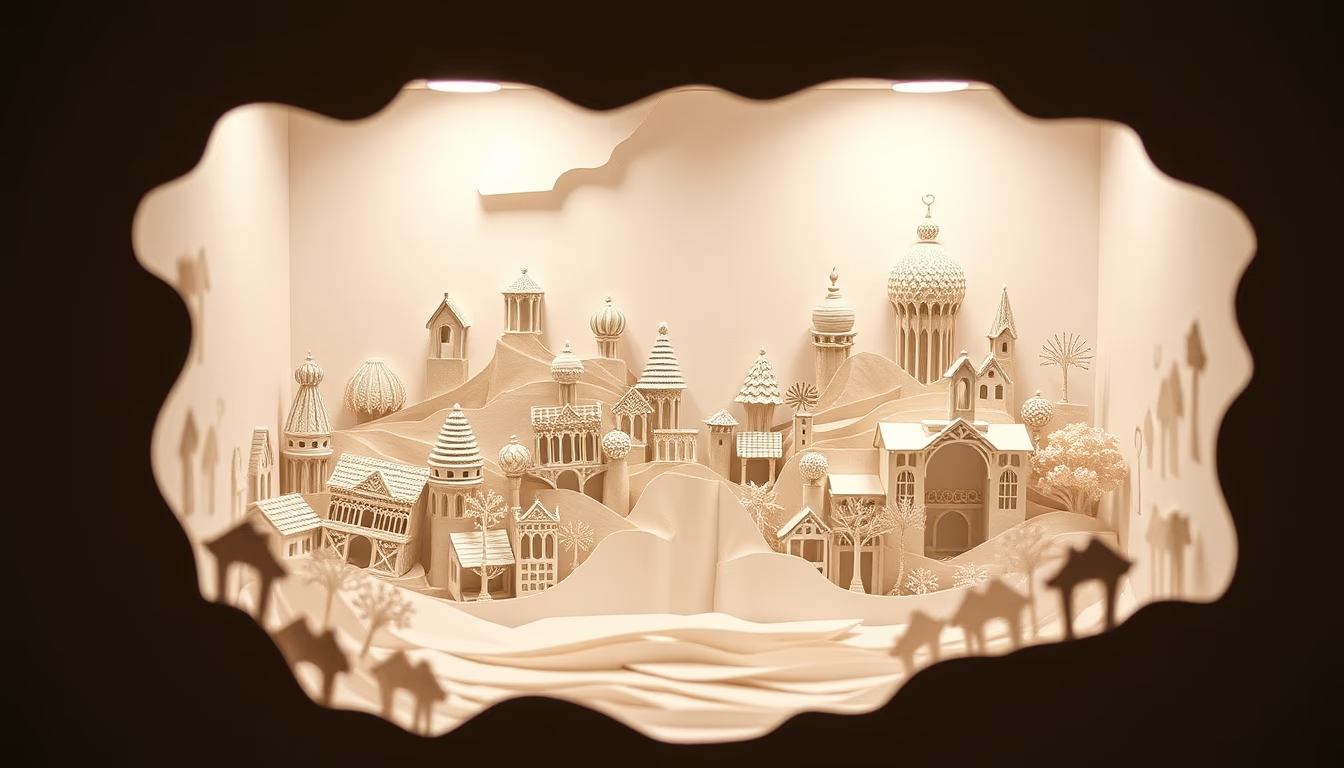
Papercraft architecture is an artistic technique that recreates buildings and urban landscapes using cut and folded paper, blending geometric precision with creativity.
About this subject
Papercraft architecture is an art form that uses paper as the primary material to build detailed replicas of architectural structures, from famous landmarks to imaginary projects. Unlike origami, which works only with folds on a single sheet, papercraft allows cutting and gluing, enabling greater complexity and fidelity to details. This technique gained prominence in the 20th century with artists like Japanese Masahiro Chatani, who popularized architectural kirigami, and more recently with names like Ingrid Siliakus and Matthew Shlian, who explore geometric shapes and optical illusions.
Basic materials include high-grammage papers such as cardstock or 180 gsm bond paper, craft knives, metal rulers, and white glue. The process begins with a digital blueprint of the structure, which is printed and cut with millimeter precision. Folds are made with scoring tools to ensure exact angles, and assembly occurs in layers. Many artists use software like Pepakura Designer to create patterns from 3D models, facilitating the reproduction of complex forms.
Papercraft architecture has various applications: in architectural models for project presentations, educational dioramas, interior decoration, and even museum exhibitions. It is also used in stop-motion animation and video games, as sets and character models. A global community thrives, with forums and websites like the Papercraft Museum sharing thousands of free templates.
Interestingly, papercraft architecture demands both artistic and mathematical skills, as calculating angles and scales is crucial for successful assembly. Some contemporary artists incorporate LED lighting behind paper layers, creating light and shadow effects that enhance depth. The technique is also a sustainable art form, using recyclable and low-cost materials.
Frequently Asked Questions
What is the difference between papercraft and origami?
Origami uses only folds on a single sheet of paper, without cuts or glue. Papercraft allows cutting and gluing multiple pieces, enabling more complex and three-dimensional forms, such as architectural replicas.
What type of paper is used in papercraft architecture?
Papers with a grammage between 120 and 200 gsm are recommended, such as cardstock, 180 gsm bond paper, or textured papers. These provide enough rigidity to hold shape without being difficult to cut or fold.
Can I learn papercraft architecture online?
Yes, there are many free tutorials on YouTube, websites like the Papercraft Museum, and modeling forums. Paid courses and specific books on the subject are also available.
Direct URL
https://pub-c7d6a6ea828543ac903a74a341ccb2e1.r2.dev/imagens/papercraft-architecture-fine-art-photography-fresh9.avifHow to credit
Include a visible link back to UtilizAí. Copy one of the snippets below:
<a href="https://xn--utiliza-eza.com/en/midia/imagens/papercraft-architecture-fine-art-photography-fresh9">Papercraft architecture</a> by <a href="https://xn--utiliza-eza.com">UtilizAí</a>, licensed under <a href="https://creativecommons.org/licenses/by/4.0/">CC BY 4.0</a>.
[Papercraft architecture](https://xn--utiliza-eza.com/en/midia/imagens/papercraft-architecture-fine-art-photography-fresh9) by [UtilizAí](https://xn--utiliza-eza.com), CC BY 4.0
License: CC-BY-4.0