Papercraft architecture
1344×768 · AVIF · CC BY 4.0
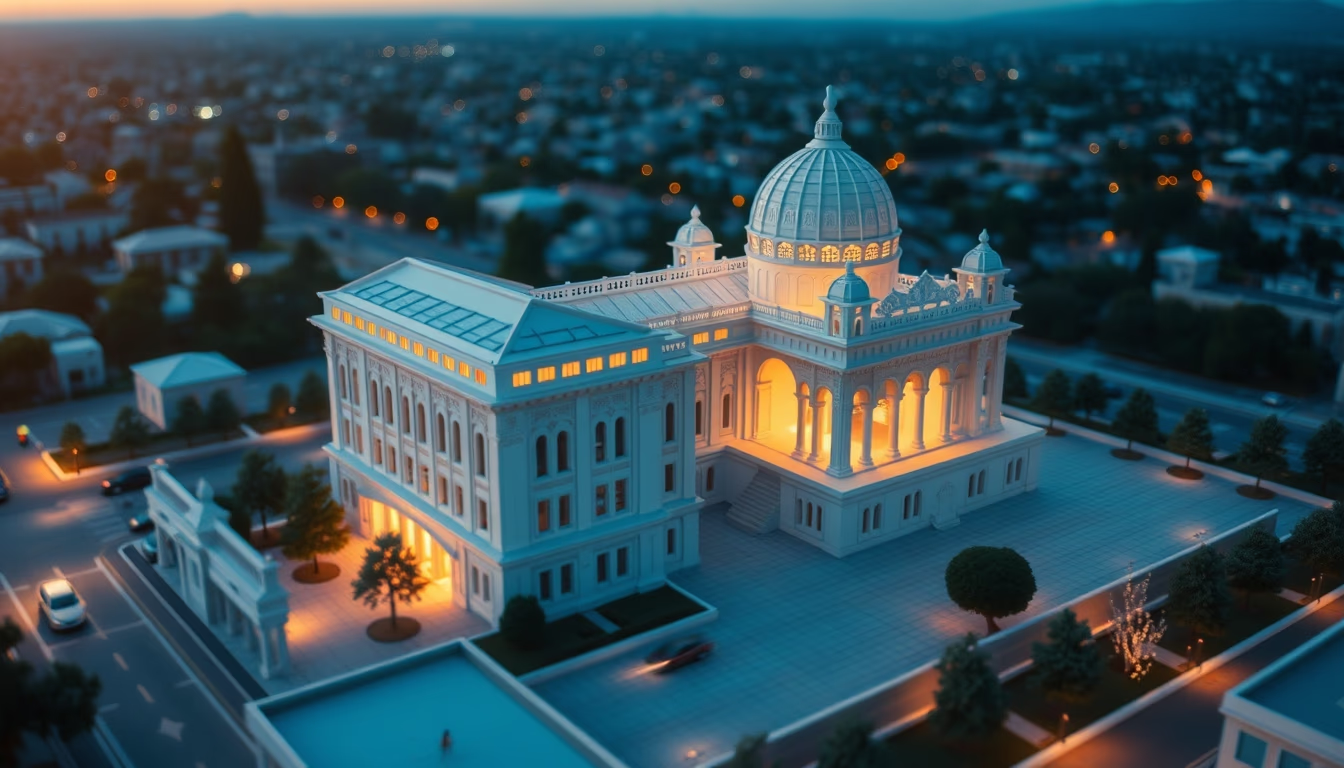
Papercraft architecture transforms paper into detailed scale models of buildings and cities, blending art, design, and engineering in miniature.
About this subject
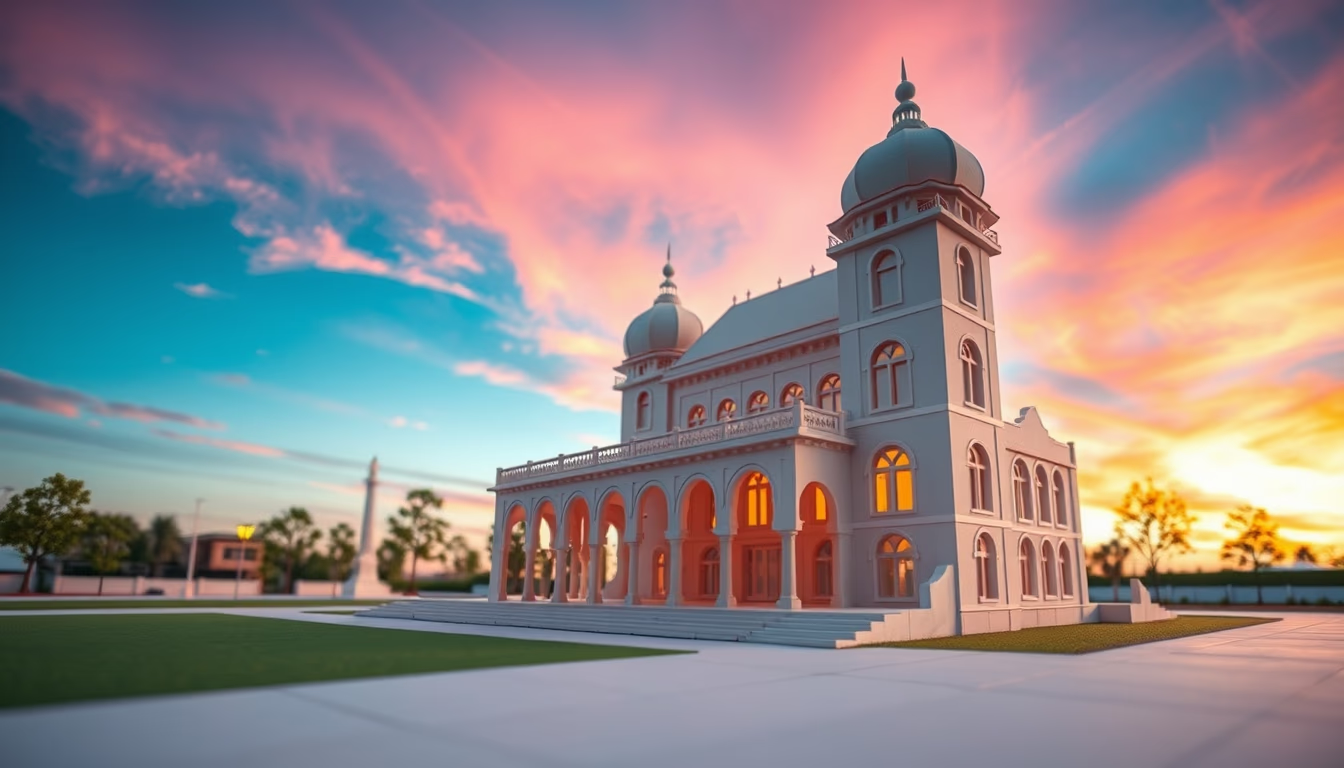
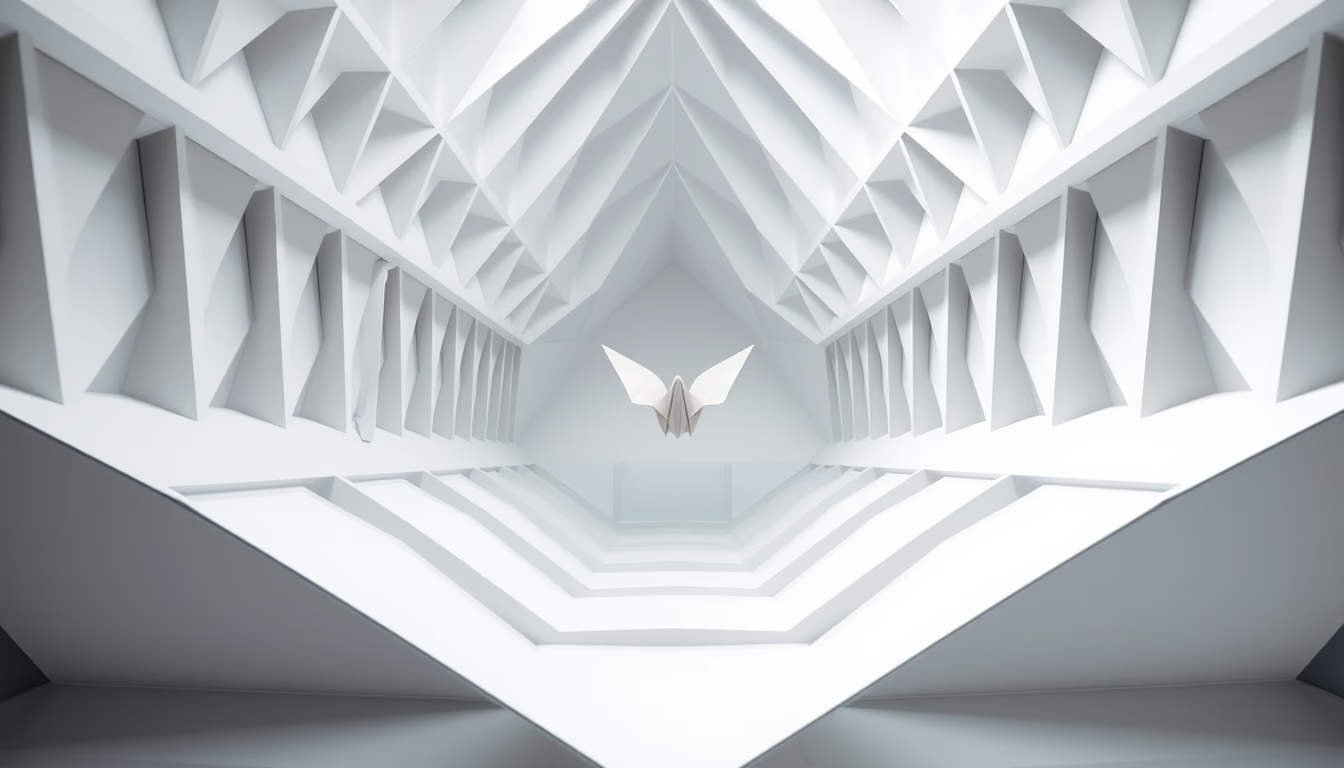
Papercraft architecture is a three-dimensional modeling technique that uses paper as the primary material to reproduce architectural structures. Unlike origami, which folds a single sheet, papercraft involves cutting, creasing, and gluing flat pieces to form volumes. This practice gained momentum with the popularization of 3D design software and home printers, enabling enthusiasts to create accurate replicas of famous buildings or original designs.
The movement has roots in the 20th century, when architects like Frank Gehry used paper models to explore complex forms. In the 1980s, the Paper Architecture group in Japan, led by Tadao Ando and others, proposed visionary projects built only in paper. Today, artists like Ingrid Siliakus and the Papercraft World community elevate the technique to astonishing realism, with details such as brick textures and internal lighting.
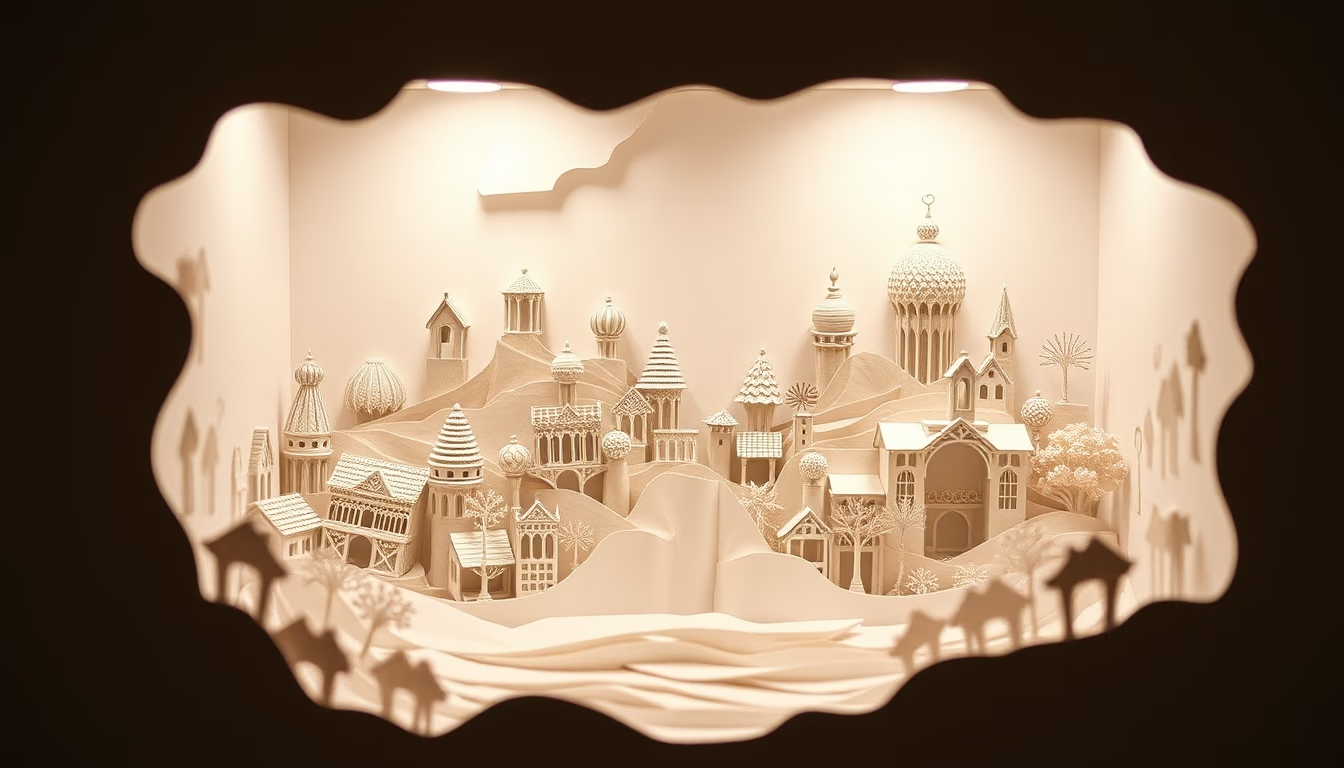
A notable application is the creation of entire miniature cities, such as artist Ayumi Shibata's "Paper City" project, which carves metropolises from white paper. These works explore the fragility of the material and the ephemerality of human constructions. Additionally, papercraft is used in architecture offices for rapid and sustainable prototyping, as paper is recyclable and low-cost.
Drone aerial photography of these models adds a unique perspective, simulating satellite views or real flyovers. Controlled lighting and reduced scale create realism that blurs the line between model and reality. This approach is common in exhibitions and competitions, where precision in cutting and assembly is crucial for the final effect.
Frequently Asked Questions
What is the difference between papercraft and origami?
Origami folds a single sheet of paper without cuts. Papercraft allows cutting and gluing multiple pieces, creating more complex and detailed structures like buildings.
What types of paper are used in architectural papercraft?
Papers with a weight between 120gsm and 250gsm, such as cardstock, index paper, or coated paper, are common. Thicker papers provide rigidity but require precise cuts.
How is papercraft used professionally in architecture?
Architects use papercraft for quick, inexpensive models to test volumes and lighting. It is also a teaching tool in architecture schools to teach proportion and spatial awareness.
Direct URL
https://pub-c7d6a6ea828543ac903a74a341ccb2e1.r2.dev/imagens/papercraft-architecture-aerial-drone-shot-fresh6.avifHow to credit
Include a visible link back to UtilizAí. Copy one of the snippets below:
<a href="https://xn--utiliza-eza.com/en/midia/imagens/papercraft-architecture-aerial-drone-shot-fresh6">Papercraft architecture</a> by <a href="https://xn--utiliza-eza.com">UtilizAí</a>, licensed under <a href="https://creativecommons.org/licenses/by/4.0/">CC BY 4.0</a>.
[Papercraft architecture](https://xn--utiliza-eza.com/en/midia/imagens/papercraft-architecture-aerial-drone-shot-fresh6) by [UtilizAí](https://xn--utiliza-eza.com), CC BY 4.0
License: CC-BY-4.0