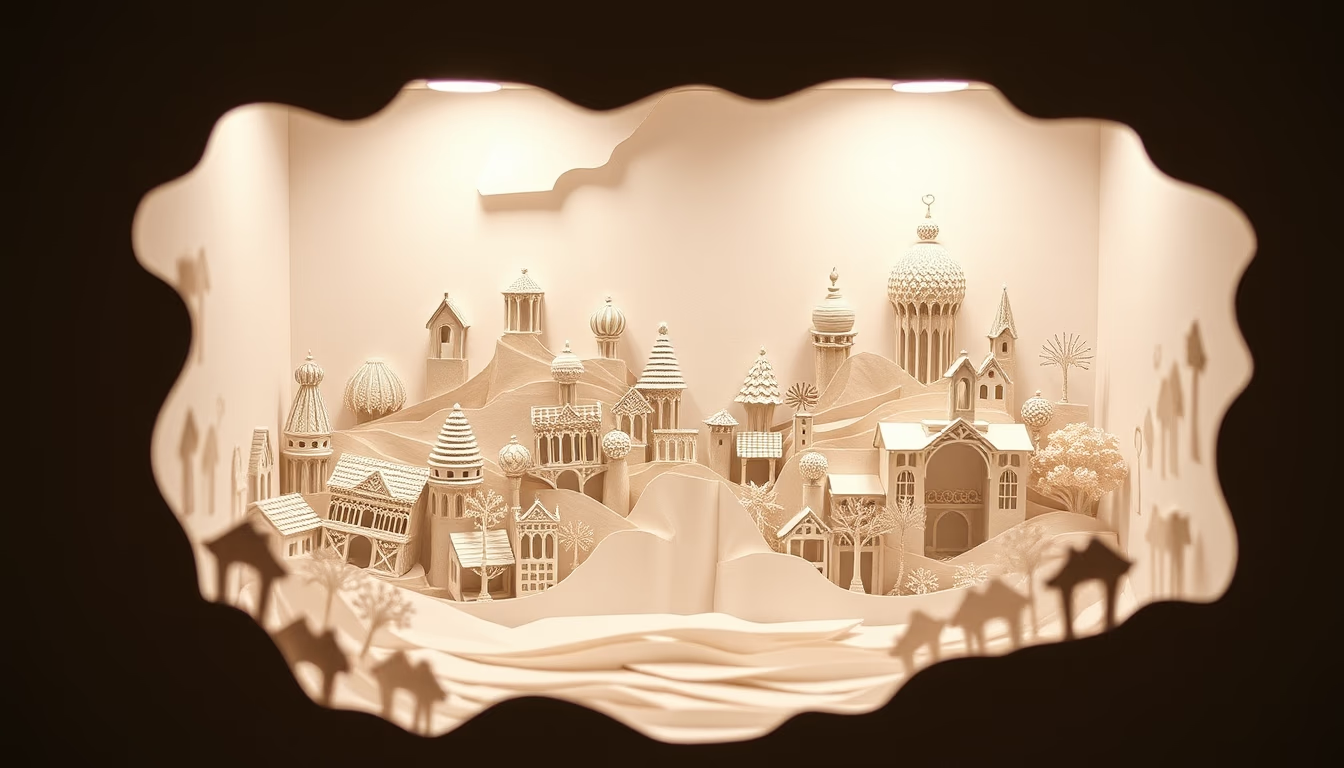
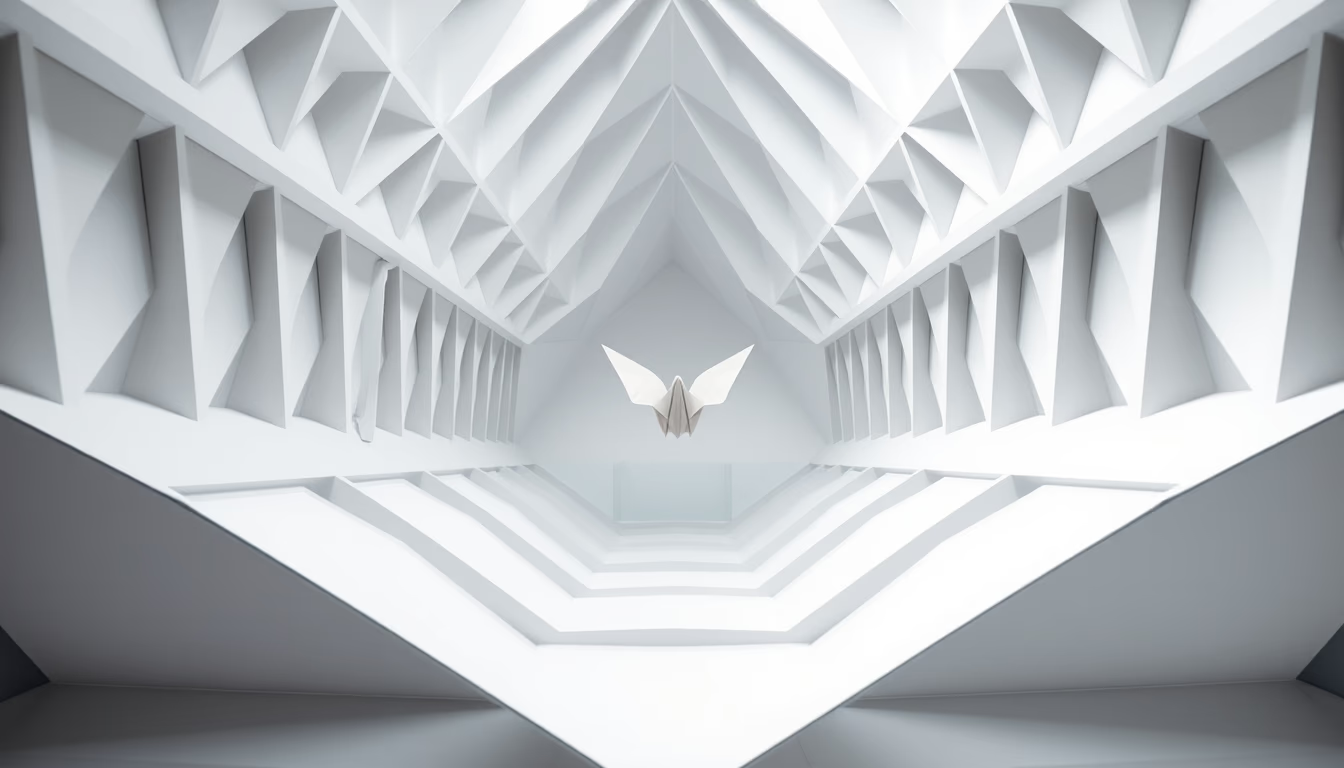
Paper sculpture intricate
1344×768 · AVIF · CC BY 4.0
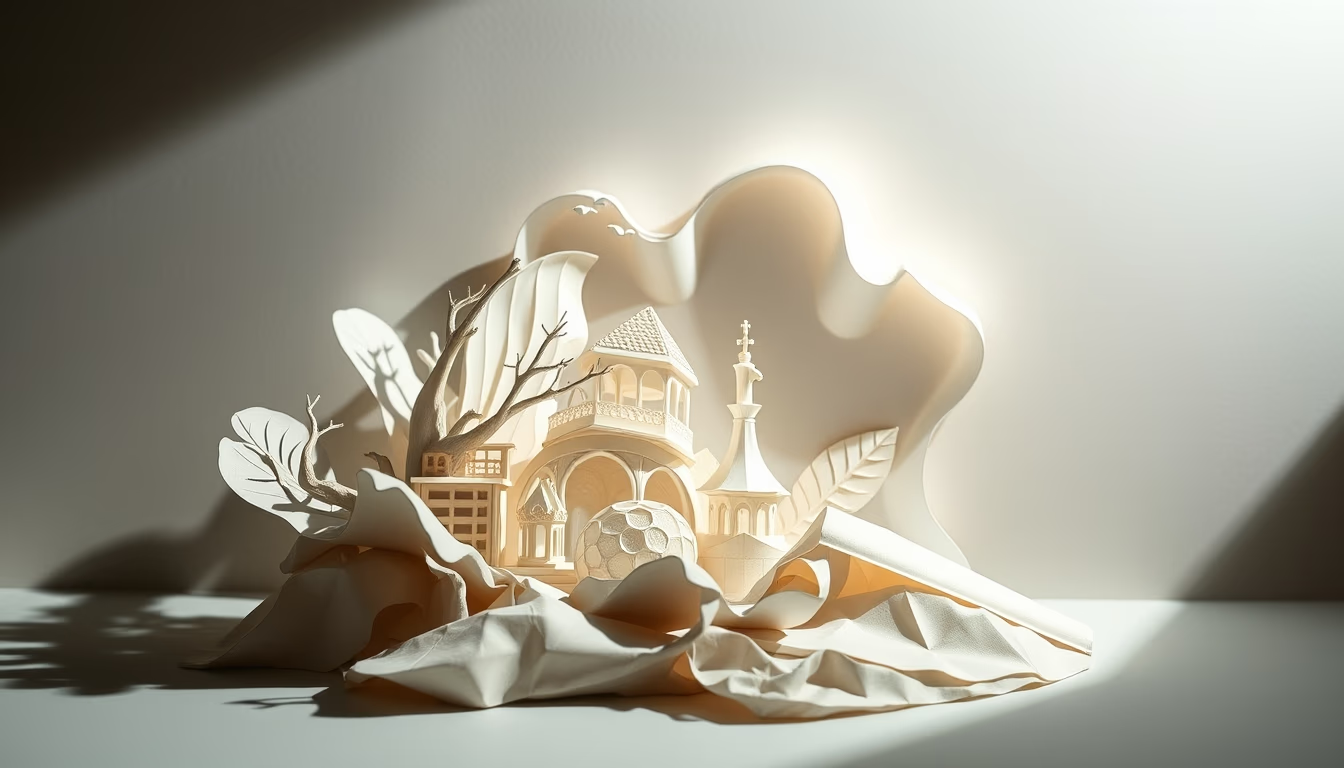
Intricate paper sculpture combines ancient folding and cutting techniques with dramatic Rembrandt-style lighting, creating high-contrast three-dimensional works.
About this subject
Paper sculpture is an art form that uses paper as the primary material to create three-dimensional works, often in relief or fully volumetric. Unlike origami, which relies solely on folding without cuts or glue, paper sculpture allows the use of scissors, craft knives, and adhesives, enabling extremely fine details and complex layers. This technique gained prominence in the 20th century with artists such as Peter Callesen and Jeff Nishinaka, who explore the fragility and strength of paper.
Lighting plays a crucial role in the appreciation of these sculptures. Rembrandt lighting, characterized by a triangle of light on the cheek opposite the main source, is often employed to accentuate textures and depths. In an intricate paper sculpture, this type of lighting reveals minutiae of cuts and folds, creating dramatic shadows that bring the work to life. The contrast between illuminated and dark areas is essential to highlight the three-dimensionality of paper, a material that is inherently flat.
Historically, paper sculpture has roots in 18th-century Europe with the production of dioramas and cut-out figures. In Brazil, artists like Lúcia B. and Eduardo Srur incorporate contemporary techniques, using recycled paper and acrylic paints to create sculptures that engage with environmental and social issues. The complexity of a piece can involve hundreds of hours of work, with overlapping layers that generate optical illusions and movement. The choice of paper, from common bond to handmade Japanese washi, directly influences the final texture and ability to withstand intricate cuts.
Interestingly, paper sculpture is also used in scenography and stop-motion animation, as in the films of Laika Studios, where each character and set are meticulously crafted from paper and other materials. The technique requires surgical precision and patience, but the result is a work that surprises with its lightness and visual complexity, especially when illuminated by directional light sources that highlight every relief.
Frequently Asked Questions
What is the difference between paper sculpture and origami?
While origami is limited to folding paper without cuts or glue, paper sculpture allows the use of scissors, craft knives, adhesives, and multiple layers, resulting in more complex and detailed three-dimensional works.
How is Rembrandt lighting applied to paper sculptures?
Rembrandt lighting positions the light source at a 45-degree angle to the subject, creating a triangle of light on the opposite cheek. In paper sculptures, this highlights fine cuts and deep shadows, emphasizing the paper's texture and depth.
Which artists are known for intricate paper sculptures?
Artists such as Peter Callesen, Jeff Nishinaka, and Brazilian Lúcia B. are renowned for their detailed paper sculptures. Callesen creates works from a single sheet of paper, while Nishinaka explores layers and dramatic lighting.
Direct URL
https://pub-c7d6a6ea828543ac903a74a341ccb2e1.r2.dev/imagens/paper-sculpture-intricate-rembrandt-lighting-dramatic-shadows-fresh5.avifHow to credit
Include a visible link back to UtilizAí. Copy one of the snippets below:
<a href="https://xn--utiliza-eza.com/en/midia/imagens/paper-sculpture-intricate-rembrandt-lighting-dramatic-shadows-fresh5">Paper sculpture intricate</a> by <a href="https://xn--utiliza-eza.com">UtilizAí</a>, licensed under <a href="https://creativecommons.org/licenses/by/4.0/">CC BY 4.0</a>.
[Paper sculpture intricate](https://xn--utiliza-eza.com/en/midia/imagens/paper-sculpture-intricate-rembrandt-lighting-dramatic-shadows-fresh5) by [UtilizAí](https://xn--utiliza-eza.com), CC BY 4.0
License: CC-BY-4.0