Paper marbling water
1344×768 · AVIF · CC BY 4.0
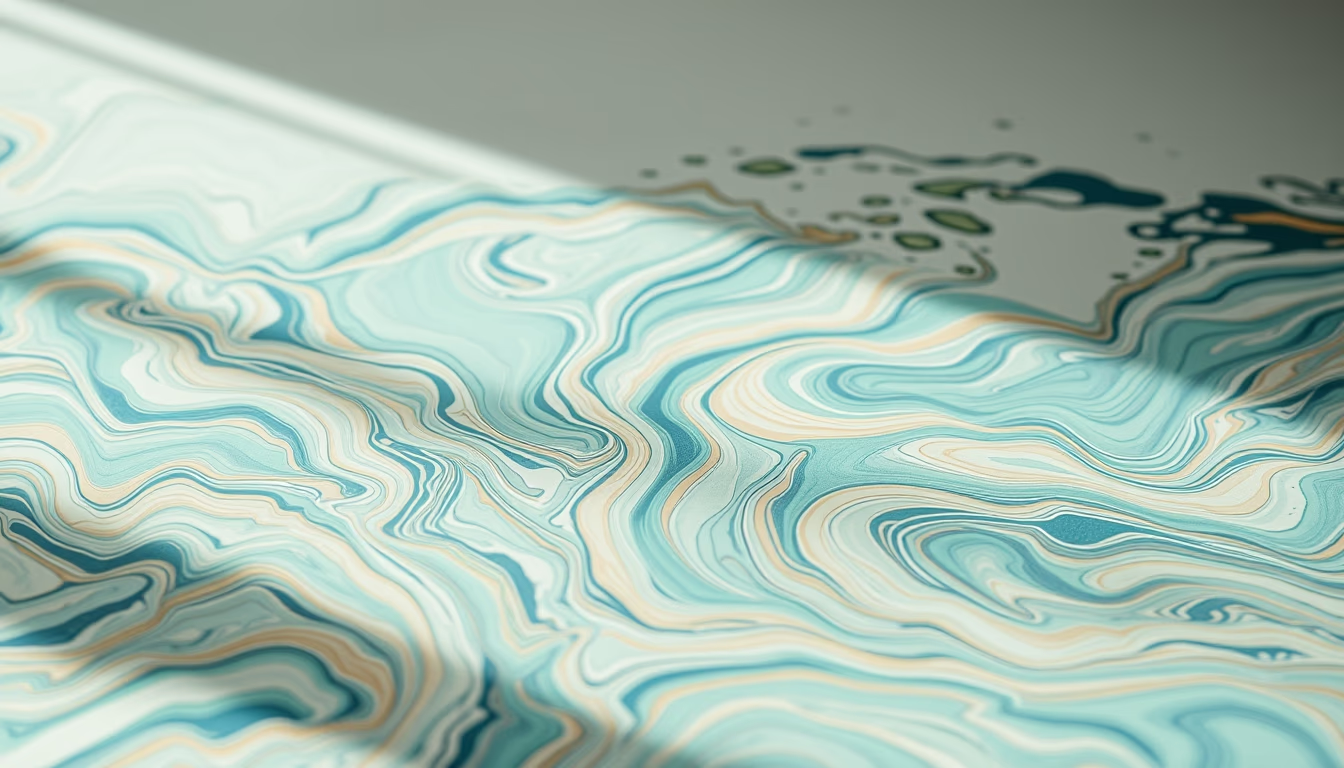
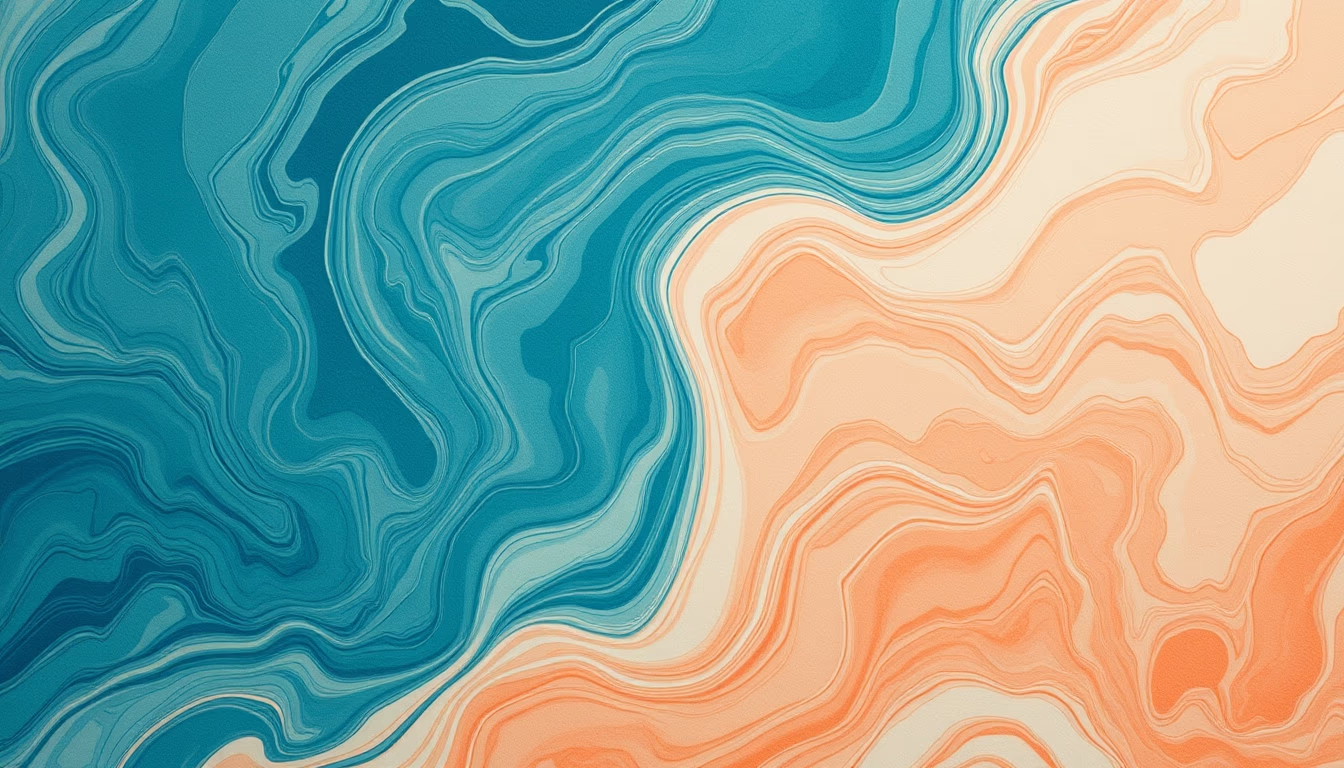
The paper marbling technique creates unique patterns by floating paints on water, then transferring them to paper. An ancient art with origins in Asia and Europe.
About this subject
Paper marbling, also known as ebru or suminagashi, is a handmade technique where paints are floated on the surface of water and then transferred to paper, creating organic, one-of-a-kind patterns. Originating in Japan during the 12th century with suminagashi (ink floating), it later flourished in the Ottoman Empire as ebru (the art of colored clouds). By the 17th century, it had spread across Europe, where it adorned book covers, endpapers, and official documents.
The process involves specialized tools and materials: natural thickeners like carrageenan (derived from seaweed) or gum arabic are mixed with water to create a viscous bath. Drops of oil or acrylic paint are then applied, and artists use combs, rakes, or styluses to manipulate the paint into waves, spirals, and veins. The paper is laid gently onto the surface, capturing the design instantly. Each print is unique because the paint moves continuously on the liquid surface.
Modern marbling has seen a revival in fine art, design, and craft. Minimalist compositions, such as those from the Wave Fresh series, emphasize clean lines and monochrome palettes. Beyond paper, marbling is applied to fabrics, ceramics, and even furniture. The technique’s unpredictability and meditative process appeal to artists seeking both tradition and innovation. In the digital age, marbling patterns are also scanned and reproduced, but original pieces remain valued for their tactile authenticity.
Frequently Asked Questions
How is paper marbling done?
First, a liquid surface is prepared using water and a natural thickener (carrageenan or gum arabic). Drops of paint are then applied and manipulated with tools to form patterns. Finally, paper is placed on the water to transfer the design.
What is the origin of paper marbling?
The technique originated in Japan in the 12th century (suminagashi) and was refined in the Ottoman Empire as ebru. It reached Europe in the 17th century, becoming popular for bookbinding and official documents.
What materials are needed to start?
Water, a thickener (like carrageenan powder), acrylic or oil paints, a comb or stylus for creating patterns, and absorbent paper (often cotton or washi). A wide tray for the liquid bath is essential.
Direct URL
https://pub-c7d6a6ea828543ac903a74a341ccb2e1.r2.dev/imagens/paper-marbling-water-minimalist-composition-fresh7.avifHow to credit
Include a visible link back to UtilizAí. Copy one of the snippets below:
<a href="https://xn--utiliza-eza.com/en/midia/imagens/paper-marbling-water-minimalist-composition-fresh7">Paper marbling water</a> by <a href="https://xn--utiliza-eza.com">UtilizAí</a>, licensed under <a href="https://creativecommons.org/licenses/by/4.0/">CC BY 4.0</a>.
[Paper marbling water](https://xn--utiliza-eza.com/en/midia/imagens/paper-marbling-water-minimalist-composition-fresh7) by [UtilizAí](https://xn--utiliza-eza.com), CC BY 4.0
License: CC-BY-4.0