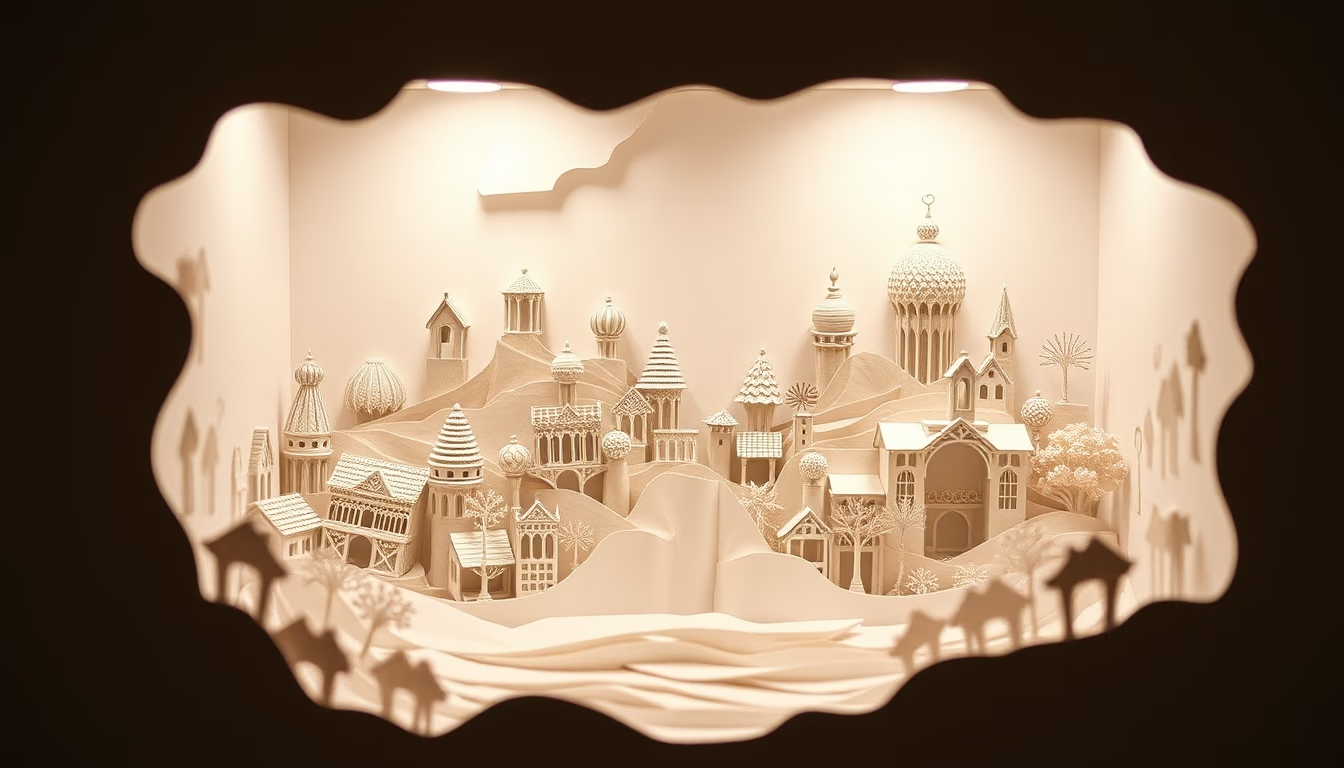
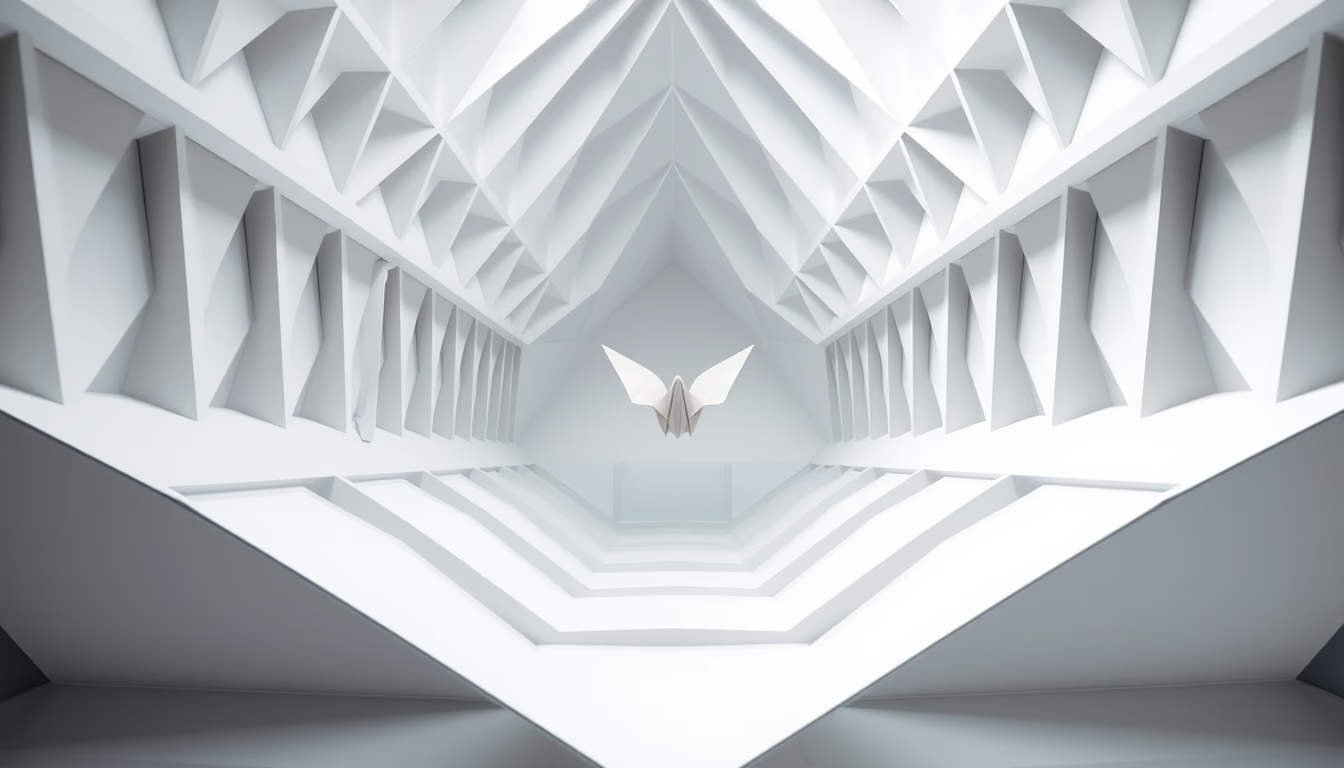
Origami crane paper white
1344×768 · AVIF · CC BY 4.0
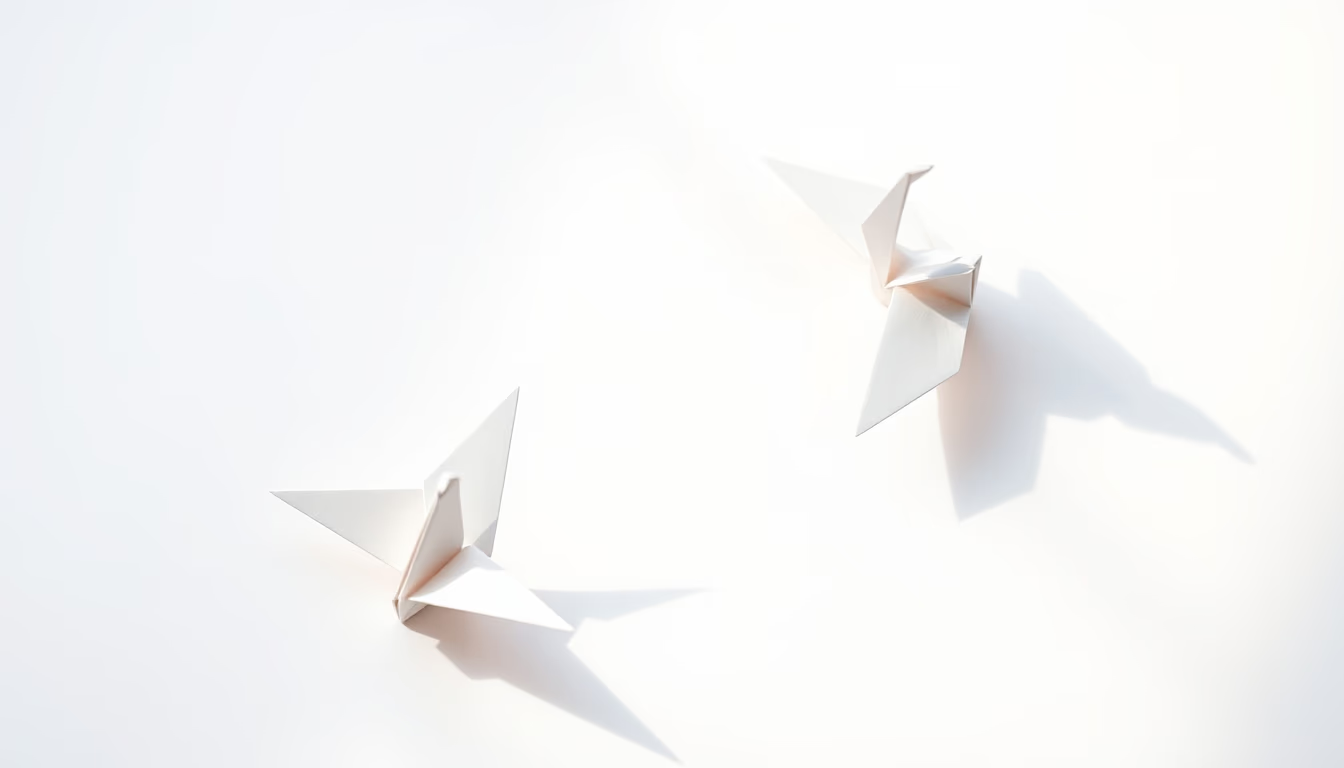
The origami crane, a white paper bird, is a Japanese symbol of peace, health, and longevity, immortalized by Sadako Sasaki's story.
About this subject
The tsuru (crane) is one of the most iconic figures in origami, the Japanese art of paper folding. Traditionally, folding a thousand cranes is believed to grant a wish, a practice known as senbazuru. This belief gained worldwide prominence after World War II with the story of Sadako Sasaki, a young Hiroshima atomic bomb victim who attempted to fold a thousand cranes while battling leukemia. To this day, the paper crane stands as a global symbol of peace and hope.
The technique for creating a classic crane starts with a square sheet of paper, usually white or colored, and requires a series of precise folds: valley folds, mountain folds, and reverse folds. The traditional version features an elongated body, pointed wings, and a balancing tail. Although it looks simple, the crane demands practice to achieve symmetry and crisp definition, often being the first model taught to origami beginners.
Culturally, the crane appears in wedding ceremonies, festivals, and memorials. In Japan, it is common to gift paper cranes to wish for good health and recovery from illness. Additionally, origami is valued for its therapeutic benefits, such as improving concentration and fine motor skills. The white crane, in particular, represents purity and simplicity, aligning with the minimalist aesthetic appreciated in contemporary design.
Origami as an art form has spread globally, with practitioners and exhibitions on every continent. Paper folding goes beyond entertainment: it is studied in mathematics (geometry of folds) and engineering (inspiration for deployable structures). The crane, with its elegant shape and profound meaning, remains one of the most recognizable and beloved models, connecting people through culture and creativity.
Frequently Asked Questions
What is the meaning of the origami crane?
The crane symbolizes peace, health, longevity, and good luck. In Japan, folding a thousand cranes is believed to grant a wish, a practice linked to Sadako Sasaki's story.
How to make an origami crane step by step?
Start with a square paper. Make creases to mark diagonals and center. Follow a sequence of valley and mountain folds to form the base, then shape the wings and tail. Visual tutorials are recommended for beginners.
Why is the origami crane associated with world peace?
Because of Sadako Sasaki, a girl who folded cranes while suffering from the Hiroshima bombing. She became a symbol of the peace movement, and the origami crane is used in memorials and peace events.
Direct URL
https://pub-c7d6a6ea828543ac903a74a341ccb2e1.r2.dev/imagens/origami-crane-paper-white-minimalist-composition-fresh12.avifHow to credit
Include a visible link back to UtilizAí. Copy one of the snippets below:
<a href="https://xn--utiliza-eza.com/en/midia/imagens/origami-crane-paper-white-minimalist-composition-fresh12">Origami crane paper white</a> by <a href="https://xn--utiliza-eza.com">UtilizAí</a>, licensed under <a href="https://creativecommons.org/licenses/by/4.0/">CC BY 4.0</a>.
[Origami crane paper white](https://xn--utiliza-eza.com/en/midia/imagens/origami-crane-paper-white-minimalist-composition-fresh12) by [UtilizAí](https://xn--utiliza-eza.com), CC BY 4.0
License: CC-BY-4.0