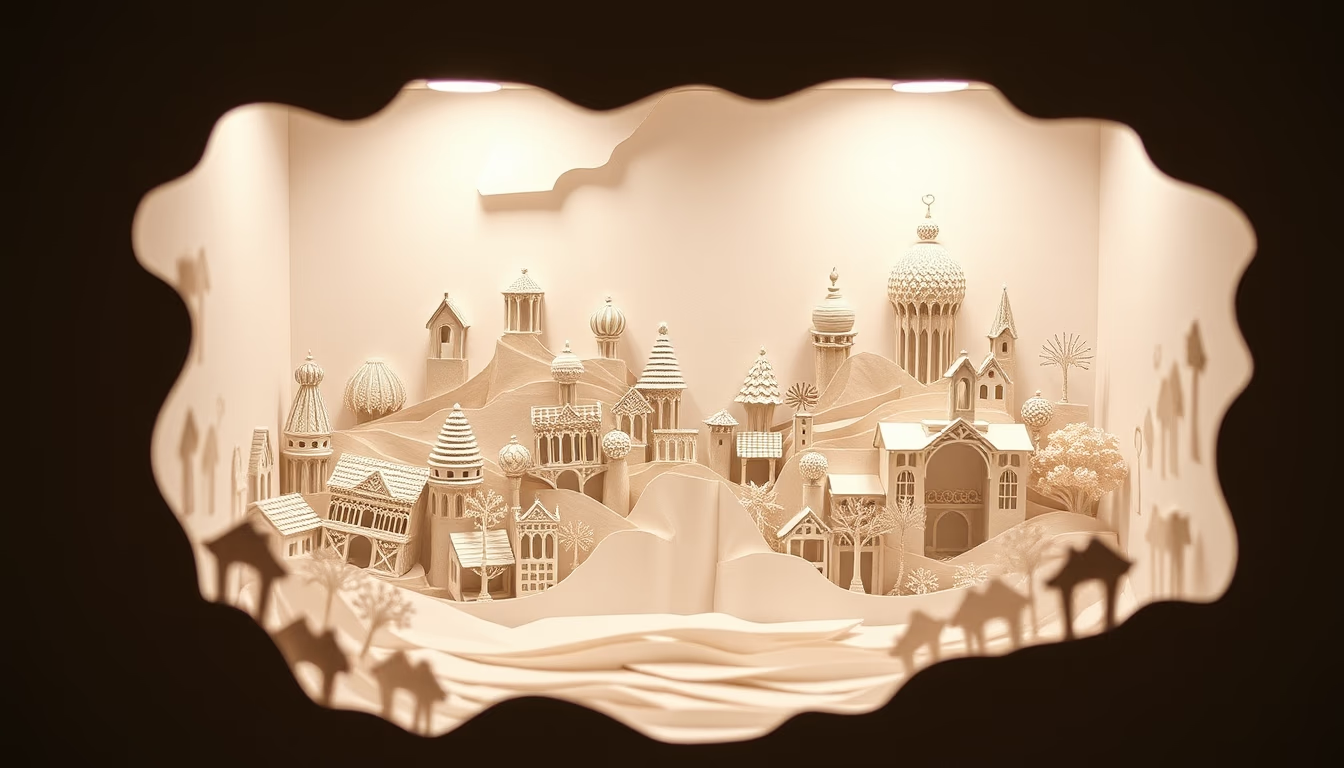
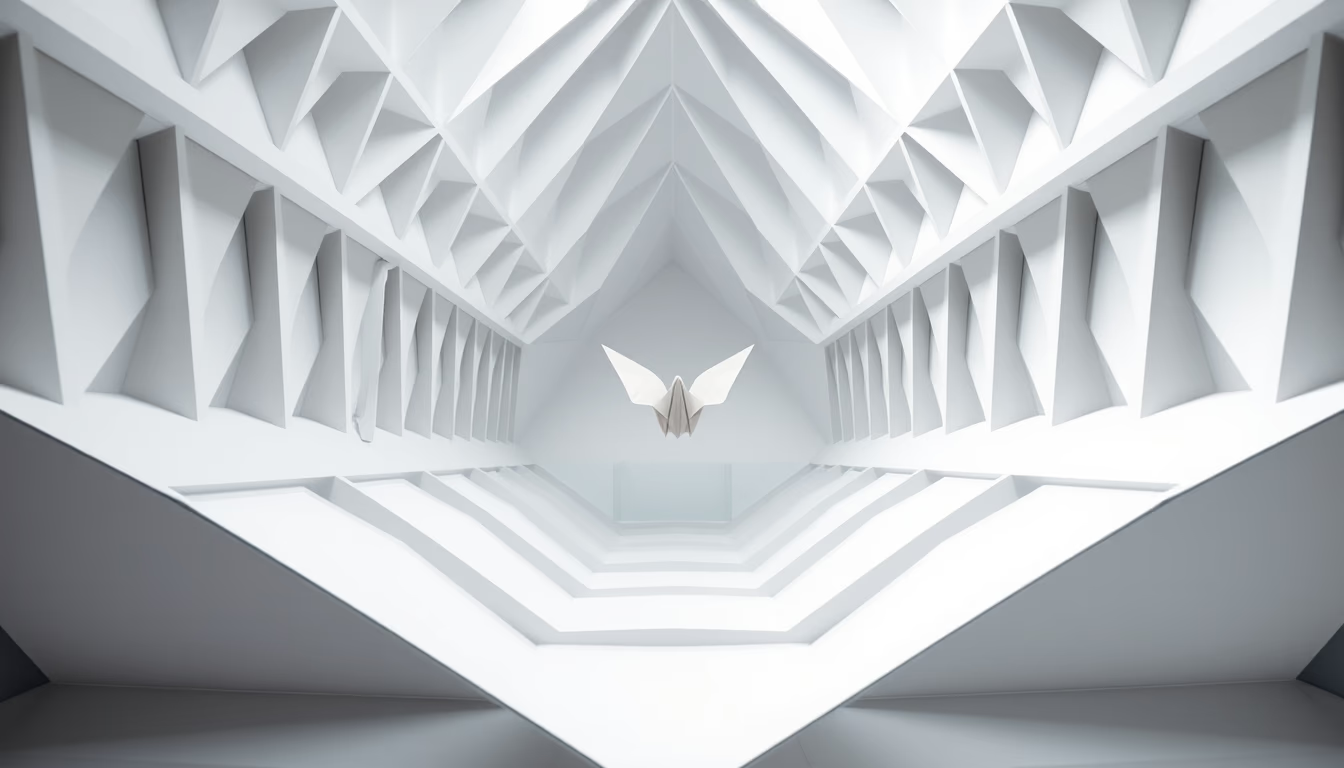
Origami crane paper white
1344×768 · AVIF · CC BY 4.0
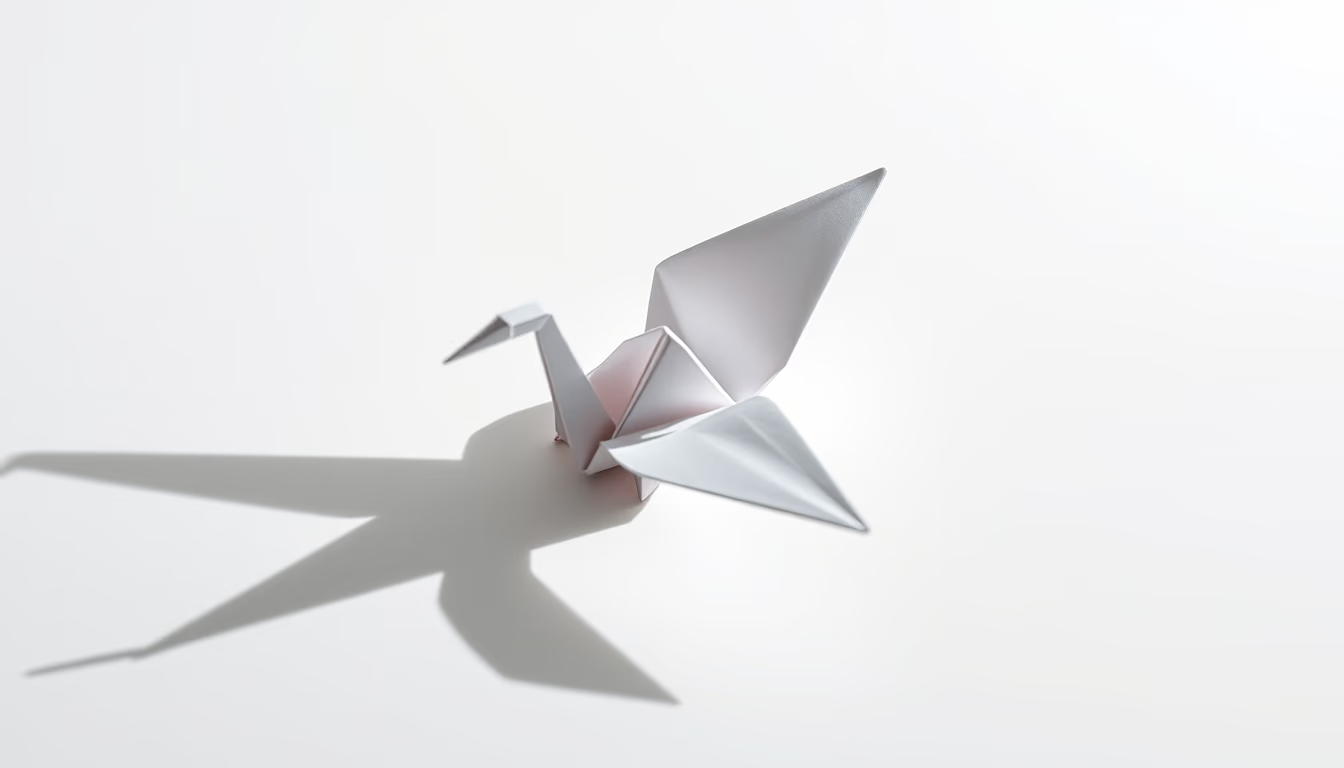
The white origami crane, known as tsuru, is a Japanese symbol of peace, health, and longevity, present in ceremonies and popular imagination.
About this subject
The tsuru, or paper crane, is one of the most iconic models in origami, the Japanese art of paper folding. Its origins date back to the Edo period, when paper became more affordable and origami figures became part of celebrations and rituals. Traditionally, folding one thousand cranes (senbazuru) is believed to grant a wish or bring good luck. This belief gained international recognition through the story of Sadako Sasaki, a young victim of the Hiroshima bombing who attempted to fold a thousand cranes as a plea for peace.
The white tsuru, in particular, carries deep meanings. White symbolizes purity, renewal, and, in the Japanese context, is also associated with mourning and remembrance of the deceased. Therefore, the white crane is often used in memorials and peace ceremonies, such as at the Hiroshima Peace Memorial Park, where thousands of paper cranes are left as tributes.
Technically, the origami crane is folded from a square sheet of paper, without cuts or glue, using a sequence of folds that includes the square base, reverse folds, and mountain and valley folds. Although it seems simple, the model requires precision and patience, making it an excellent exercise for beginners in origami. There are numerous variations, such as the winged crane, the flying crane, and modular versions.
Beyond its symbolic value, the origami crane is an educational tool used to teach geometry, patience, and motor skills. In many countries, crane folding is incorporated into school projects about Japanese culture or world peace. The practice of gifting a paper crane is also common at weddings, births, and graduations, as a wish for happiness and longevity.
Frequently Asked Questions
What is the origin of the origami crane?
The origami crane originated in Japan during the Edo period, when paper became more widely available. The crane is a sacred bird in Japanese culture, symbolizing longevity and good luck, and its folding became an icon of the art of origami.
Why is the white crane associated with peace?
The white crane is associated with peace mainly because of the story of Sadako Sasaki, a girl who developed leukemia after the atomic bombing of Hiroshima and attempted to fold one thousand cranes as a plea for peace. Since then, the white crane has become a global symbol of peace and hope.
How to make an origami crane step by step?
To make an origami crane, start with a square sheet of paper. Fold it in half diagonally to form a triangle, then fold again. Open and make folds to form a square base. Follow reverse folds to create wings, head, and tail. There are many online tutorials and diagrams available for beginners.
Direct URL
https://pub-c7d6a6ea828543ac903a74a341ccb2e1.r2.dev/imagens/origami-crane-paper-white-magazine-editorial-fresh14.avifHow to credit
Include a visible link back to UtilizAí. Copy one of the snippets below:
<a href="https://xn--utiliza-eza.com/en/midia/imagens/origami-crane-paper-white-magazine-editorial-fresh14">Origami crane paper white</a> by <a href="https://xn--utiliza-eza.com">UtilizAí</a>, licensed under <a href="https://creativecommons.org/licenses/by/4.0/">CC BY 4.0</a>.
[Origami crane paper white](https://xn--utiliza-eza.com/en/midia/imagens/origami-crane-paper-white-magazine-editorial-fresh14) by [UtilizAí](https://xn--utiliza-eza.com), CC BY 4.0
License: CC-BY-4.0