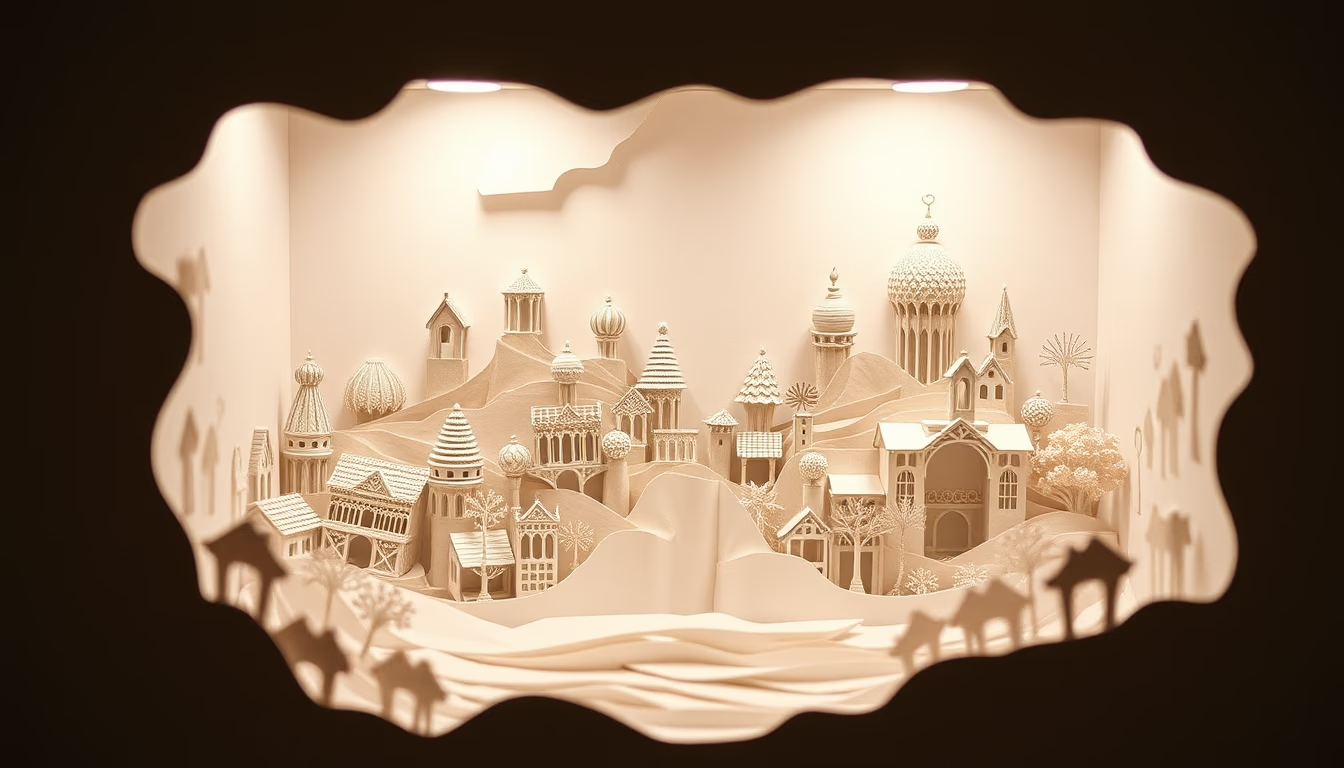
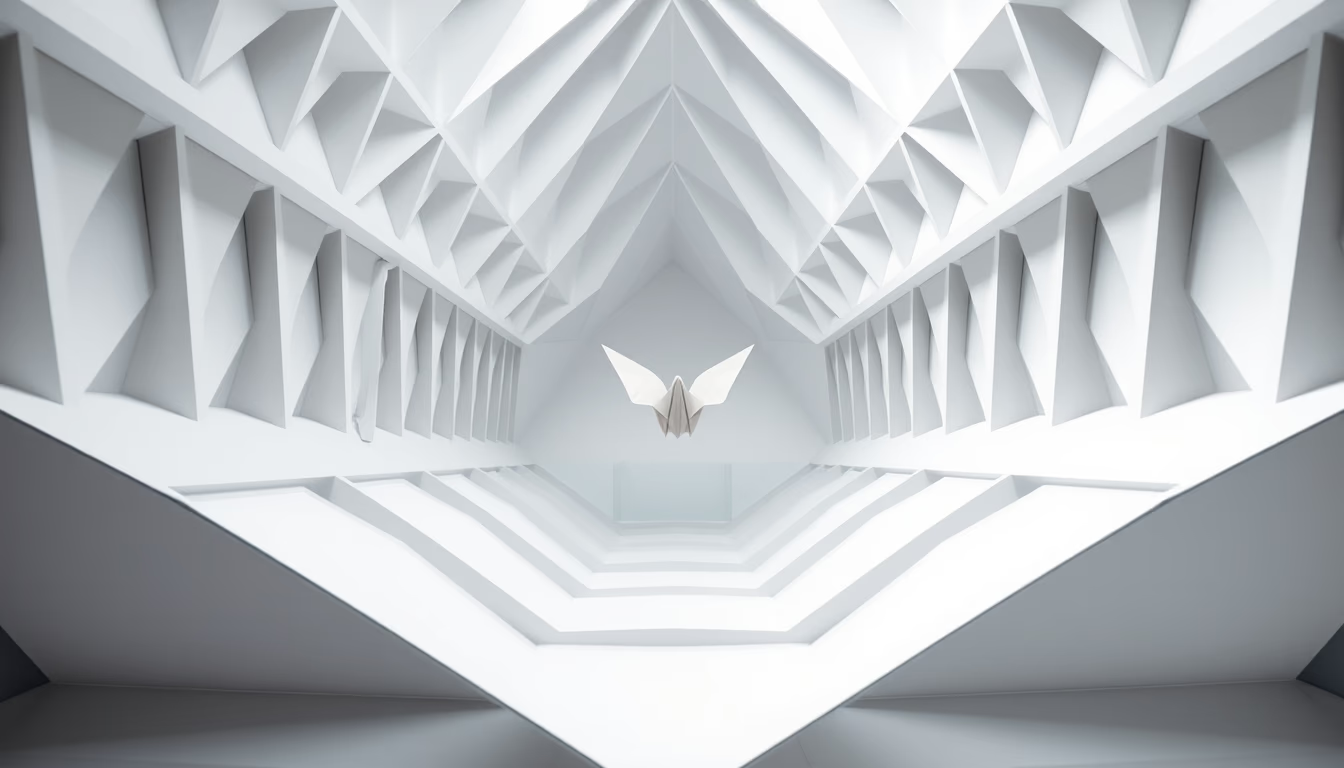
Origami crane paper white
1344×768 · AVIF · CC BY 4.0
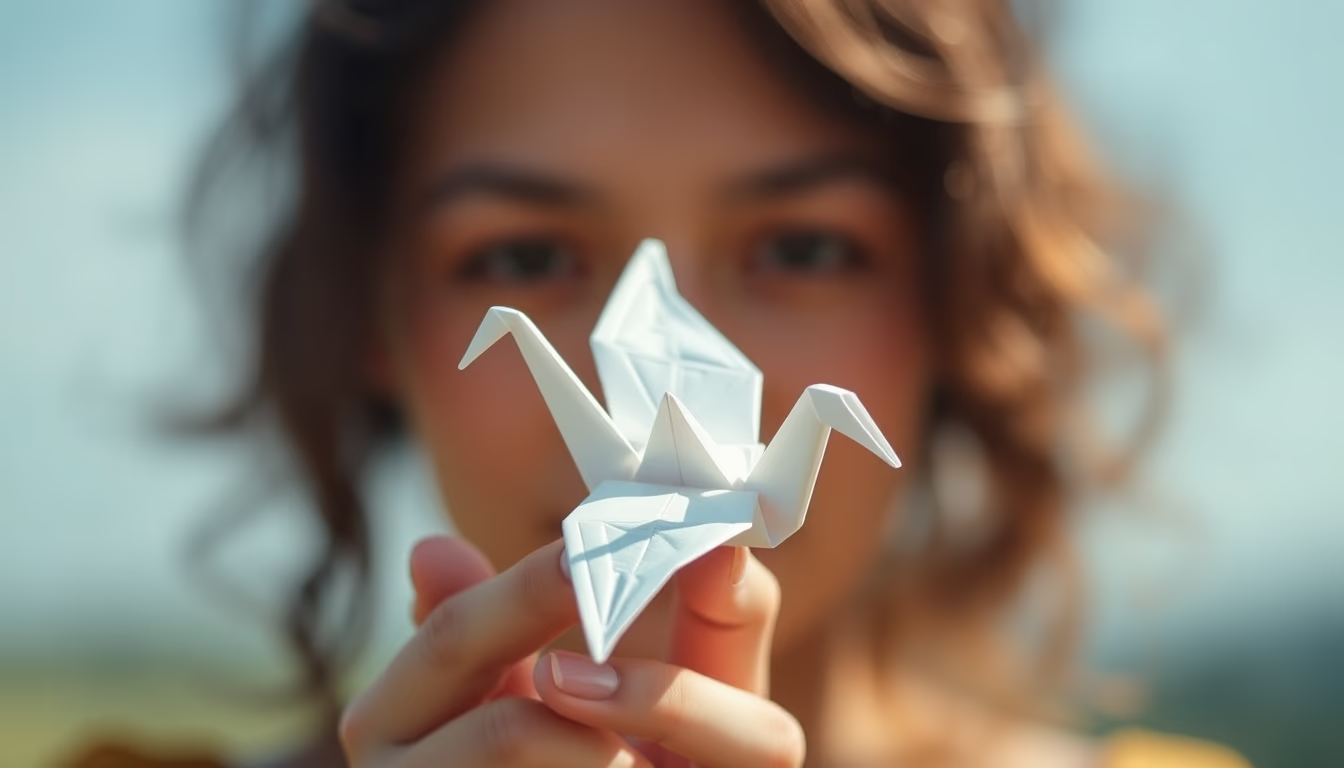
The origami crane is a classic symbol of Japanese culture, representing peace, health, and longevity through the ancient art of paper folding.
About this subject
The tsuru, or paper crane, is one of the most traditional figures in origami, the Japanese art of paper folding. Its roots go back to the Edo period (1603-1868), when paper became more accessible and folding gained popularity among the populace. The choice of the crane is no coincidence: in Japanese culture, this bird is considered sacred, a symbol of good luck, happiness, and longevity, believed to live for a thousand years according to legend.
The tradition of folding a thousand paper cranes, known as senbazuru, gained international prominence through the story of Sadako Sasaki, a Japanese girl who fell ill due to radiation from the Hiroshima bombing. Hospitalized with leukemia, she dedicated herself to folding a thousand cranes, hoping her wish for recovery would come true. Though she passed away before completing the goal, her story inspired monuments and the International Day of Peace. Today, the origami crane is often used in peace ceremonies, weddings, and memorial events.
Technically, the crane is a classic intermediate-level model, requiring about 20 to 30 steps to complete from a square sheet of paper. It employs techniques such as mountain and valley folds, as well as reverse folds to shape the wings and tail. While variations exist, the traditional version is widely taught in tutorials and workshops worldwide. Practicing origami enhances focus, fine motor skills, and patience, making it a cherished activity for both children and adults.
Frequently Asked Questions
What is the meaning of the origami crane?
The tsuru symbolizes good luck, health, peace, and longevity in Japanese culture. Gifting a paper crane is a gesture of wishes for happiness and recovery.
How to make a paper origami crane?
To make a crane, you need a square sheet of paper. Follow basic origami folds: fold in half both ways, form a square base, then perform reverse folds to create the head, wings, and tail. Many step-by-step tutorials are available online.
Why are 1000 origami cranes special?
Legend says that folding a thousand paper cranes grants a wish. This tradition became famous through Sadako Sasaki, who attempted to fold a thousand cranes to wish for recovery from leukemia. Today, senbazuru is a symbol of peace and hope.
Direct URL
https://pub-c7d6a6ea828543ac903a74a341ccb2e1.r2.dev/imagens/origami-crane-paper-white-documentary-nature-style-fresh16.avifHow to credit
Include a visible link back to UtilizAí. Copy one of the snippets below:
<a href="https://xn--utiliza-eza.com/en/midia/imagens/origami-crane-paper-white-documentary-nature-style-fresh16">Origami crane paper white</a> by <a href="https://xn--utiliza-eza.com">UtilizAí</a>, licensed under <a href="https://creativecommons.org/licenses/by/4.0/">CC BY 4.0</a>.
[Origami crane paper white](https://xn--utiliza-eza.com/en/midia/imagens/origami-crane-paper-white-documentary-nature-style-fresh16) by [UtilizAí](https://xn--utiliza-eza.com), CC BY 4.0
License: CC-BY-4.0