Organ on chip device
1344×768 · AVIF · CC BY 4.0
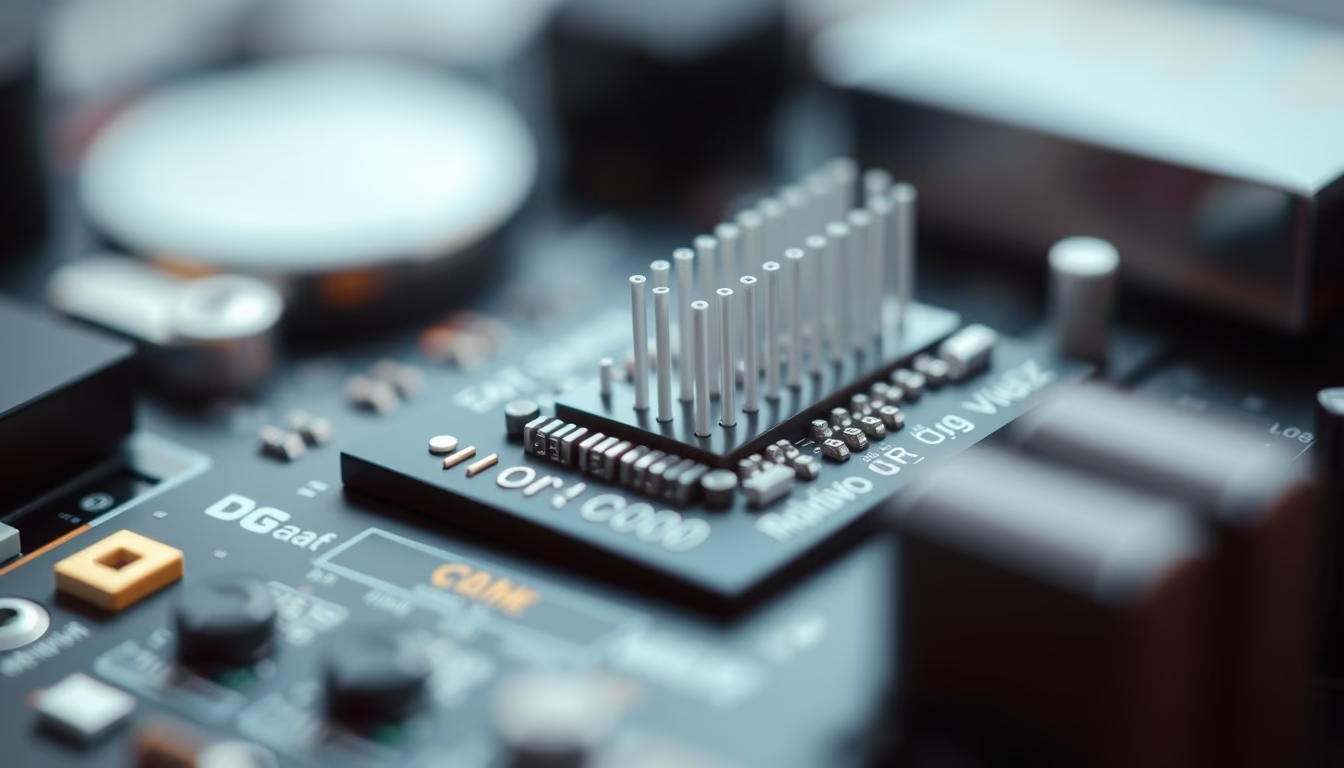
Organ-on-chip device: a microfluidic platform that replicates human organ functions for drug testing and disease studies.
About this subject
The organ-on-chip is a microfluidic device that mimics the structure and functions of human organs on a miniature scale. Developed in the early 2000s, particularly at Harvard's Wyss Institute, it combines fluid flow channels with living cells cultured in a controlled environment. Unlike animal models or traditional 2D cultures, this system offers a more accurate representation of human physiology, enabling studies of drug responses, toxins, and mechanical stimuli in an ethical and efficient manner.
A notable example is the lung-on-chip, which recreates the alveolar-capillary interface using epithelial and endothelial cells exposed to stretching cycles that simulate breathing. Other models include liver, kidney, heart, and intestine. These chips are made from polymers like PDMS (polydimethylsiloxane) and contain microchannels that replicate blood flow. The technology has already demonstrated better prediction of liver toxicity, cardiac arrhythmias, and drug effects compared to conventional methods.
Beyond the pharmaceutical industry, organ-on-chips are used in rare disease research, personalized medicine, and cosmetic testing. Integration with electrochemical sensors allows real-time monitoring of metabolites and oxygen. Major regulatory agencies like the FDA are beginning to accept data from these devices as complementary evidence in clinical trials. Costs remain high, but advances in 3D printing and automation promise to make the technology affordable for academic labs and smaller companies.
Interestingly, the concept emerged from a collaboration between engineers and biologists, inspired by computer chip architecture. Companies such as Emulate, TissUse, and Mimetas now commercialize versions for drug discovery. The future points to integrated platforms with multiple interconnected organs (body-on-chip), capable of simulating systemic interactions without the need for animals.
Frequently Asked Questions
How does an organ-on-chip work?
The device contains microchannels through which a culture medium flows, nourishing living cells arranged in compartments that mimic an organ's architecture. Integrated sensors monitor parameters like pH, oxygen, and electrical activity, enabling real-time analysis.
What are the advantages of organ-on-chip over animal testing?
Chips use human cells, providing more relevant responses to human physiology, reduce animal suffering, and allow greater experimental control. They can also accelerate drug development and lower long-term costs.
Is this technology already used in the pharmaceutical industry?
Yes, many pharmaceutical and biotech companies employ organ-on-chips in early research and development stages. The FDA has already approved the use of data from liver and lung chips as complementary evidence in some new drug applications.
Direct URL
https://pub-c7d6a6ea828543ac903a74a341ccb2e1.r2.dev/imagens/organ-on-chip-device-macro-closeup-p8.avifHow to credit
Include a visible link back to UtilizAí. Copy one of the snippets below:
<a href="https://xn--utiliza-eza.com/en/midia/imagens/organ-on-chip-device-macro-closeup-p8">Organ on chip device</a> by <a href="https://xn--utiliza-eza.com">UtilizAí</a>, licensed under <a href="https://creativecommons.org/licenses/by/4.0/">CC BY 4.0</a>.
[Organ on chip device](https://xn--utiliza-eza.com/en/midia/imagens/organ-on-chip-device-macro-closeup-p8) by [UtilizAí](https://xn--utiliza-eza.com), CC BY 4.0
License: CC-BY-4.0