Orange grove with truck collecting fresh fruit
1344×768 · AVIF · CC BY 4.0
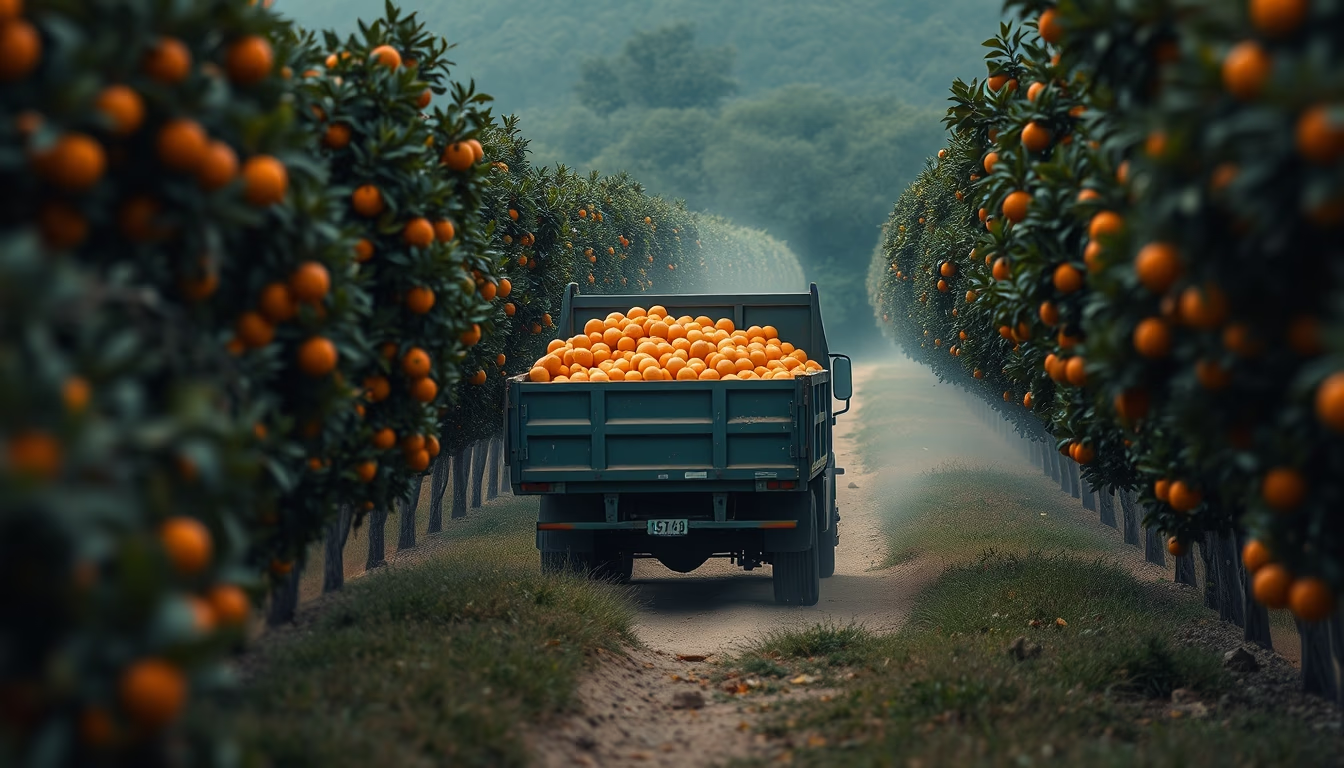
Brazilian orange groves produce about 350 million boxes per year, with mechanized harvesting reducing costs and speeding up the process.
About this subject
Brazil is the world's largest orange producer, accounting for about 30% of global output, with São Paulo state responsible for 80% of national production. The orange groves in regions like Araraquara, Bebedouro, and Matão are known for high yields and fruit quality, supplying both the domestic market and concentrated juice exports. Mechanized harvesting, as depicted in the image, is common on large farms, where special trucks move through tree rows to collect ripe oranges that fall onto conveyor belts or are hand-picked and loaded directly.
Harvest logistics aim to minimize fruit damage and ensure rapid delivery to processing plants. Brazilian orange juice supplies markets in Europe, the United States, and Asia, making it the country's top agricultural export by volume. Byproducts like peel and pulp are used for animal feed and essential oils. The most cultivated variety is Pêra Rio, followed by Natal and Valência, adapted to tropical climate and seasonal drought.
Historically, Brazilian citrus farming expanded from the 1960s, driven by genetic improvement programs and foreign demand. Today, the sector faces challenges such as greening (HLB), a bacterial disease that reduces productivity, and competition from other producers like the United States and Mexico. Nevertheless, Brazil maintains its lead due to scale, favorable climate, and investment in technology, including irrigation systems and mechanized harvesting.
Frequently Asked Questions
Which is the main orange-producing region in Brazil?
São Paulo state accounts for about 80% of national production, especially in areas like Araraquara, Bebedouro, and Matão.
How does mechanized orange harvesting work?
Special trucks move through tree rows; ripe oranges fall onto conveyor belts or are hand-picked and loaded directly, reducing harvest time and cost.
What are the main uses of Brazilian oranges?
Most are processed into concentrated juice for export. Peel and pulp are used for animal feed and essential oils.
Direct URL
https://pub-c7d6a6ea828543ac903a74a341ccb2e1.r2.dev/imagens/orange-grove-with-truck-collecting-fresh-fruit-editorial-overcast-daytime-4.avifHow to credit
Include a visible link back to UtilizAí. Copy one of the snippets below:
<a href="https://xn--utiliza-eza.com/en/midia/imagens/orange-grove-with-truck-collecting-fresh-fruit-editorial-overcast-daytime-4">Orange grove with truck collecting fresh fruit</a> by <a href="https://xn--utiliza-eza.com">UtilizAí</a>, licensed under <a href="https://creativecommons.org/licenses/by/4.0/">CC BY 4.0</a>.
[Orange grove with truck collecting fresh fruit](https://xn--utiliza-eza.com/en/midia/imagens/orange-grove-with-truck-collecting-fresh-fruit-editorial-overcast-daytime-4) by [UtilizAí](https://xn--utiliza-eza.com), CC BY 4.0
License: CC-BY-4.0