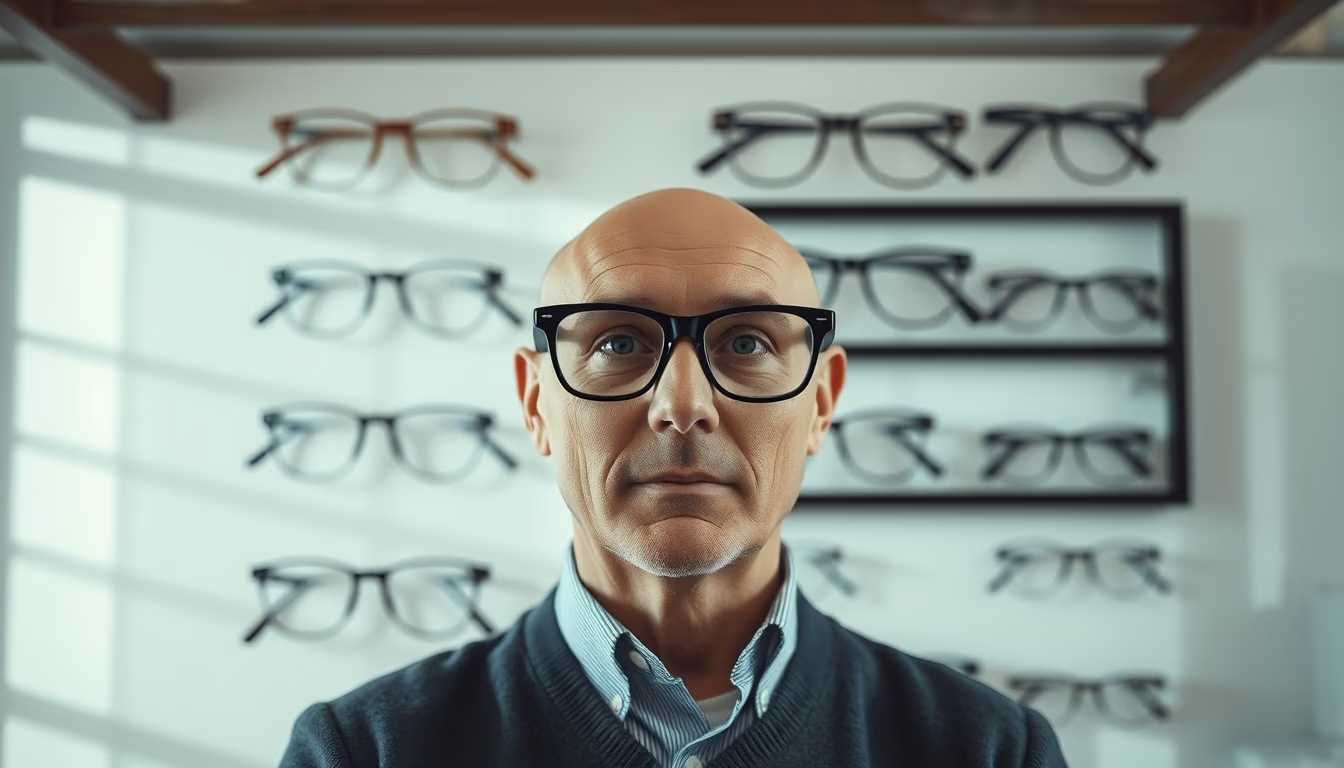
Optometry frames display
1344×768 · AVIF · CC BY 4.0

Optometry frame displays in clinics and optical stores: how the variety of models meets different visual and aesthetic needs.
About this subject
Optical frames are the structures that hold corrective or protective lenses, serving both functional and aesthetic purposes. In an optometry clinic or optical store, the frame display is a central element, organized by brand, shape, color, or material to facilitate patient choice. Common materials include acetate, metal, titanium, and flexible blends like TR-90, known for lightness and durability. Each material offers specific advantages: acetate allows greater color and pattern variation, while titanium is hypoallergenic and sturdy. Frame design evolution has followed fashion trends and technological advances, such as the popularization of round wire frames in the 1920s (inspired by Gandhi) and the oversized styles of the 1970s. Today, frames can incorporate spring hinges, adjustable temples, and flexible nose bridges, improving comfort and fit. The World Health Organization estimates about 2.2 billion people worldwide have visual impairment, and proper use of glasses with suitable frames is one of the most accessible solutions. Correct frame choice considers face shape, occupation, daily activities, and prescription. Well-organized displays help patients visualize options, and many clinics use lighting systems and mirrors to simulate real use. The 'film-grain-authentic' trend suggests a nostalgic aesthetic, evoking past decades when frames were made of more rustic materials and manufacturing was more artisanal.
Frequently Asked Questions
What is the difference between acetate and metal frames?
Acetate frames are lighter and offer more color and pattern variety, and are hypoallergenic. Metal frames (stainless steel or titanium) are thinner and more durable, suitable for high prescriptions, but may cause allergies if not coated.
How do I choose the right frame size?
Size is indicated by three numbers on the temple (lens width, bridge, and temple length). The frame should align with your eyebrows, not slip down your nose, and have temples that fit comfortably behind your ears. An optometrist can help measure.
Do eyeglass frames affect peripheral vision?
Yes. Frames that are too wide or have thick rims can limit peripheral vision. For activities requiring wide vision, like driving, thinner or rimless frames (nylon or semi-rimless) are recommended.
Direct URL
https://pub-c7d6a6ea828543ac903a74a341ccb2e1.r2.dev/imagens/optometry-frames-display-film-grain-authentic-p4.avifHow to credit
Include a visible link back to UtilizAí. Copy one of the snippets below:
<a href="https://xn--utiliza-eza.com/en/midia/imagens/optometry-frames-display-film-grain-authentic-p4">Optometry frames display</a> by <a href="https://xn--utiliza-eza.com">UtilizAí</a>, licensed under <a href="https://creativecommons.org/licenses/by/4.0/">CC BY 4.0</a>.
[Optometry frames display](https://xn--utiliza-eza.com/en/midia/imagens/optometry-frames-display-film-grain-authentic-p4) by [UtilizAí](https://xn--utiliza-eza.com), CC BY 4.0
License: CC-BY-4.0