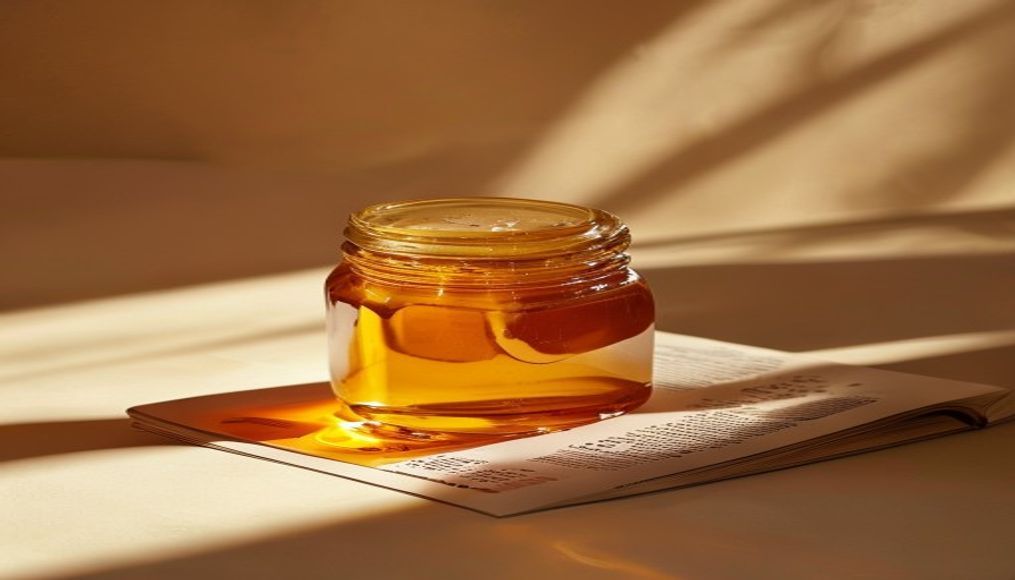
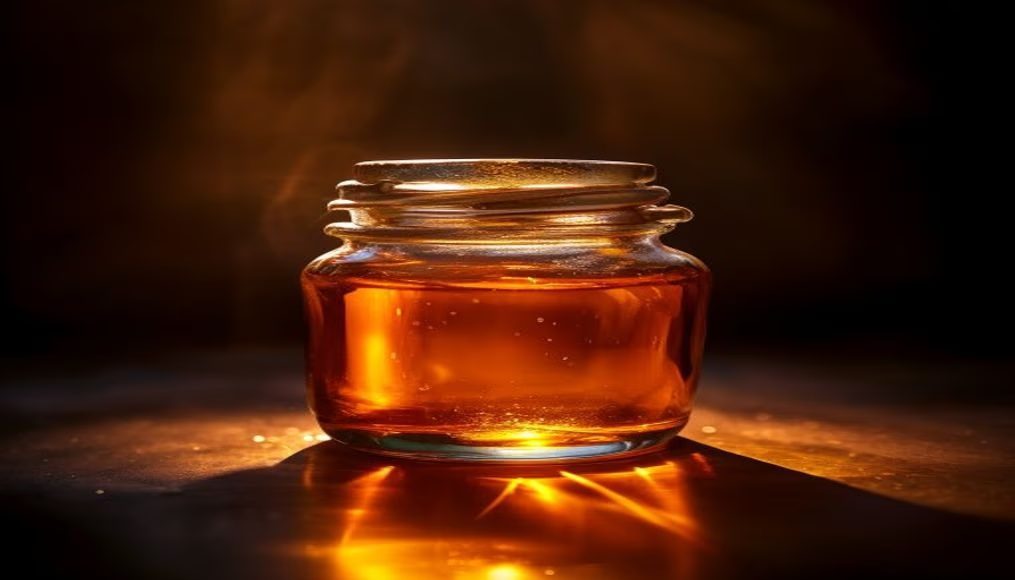
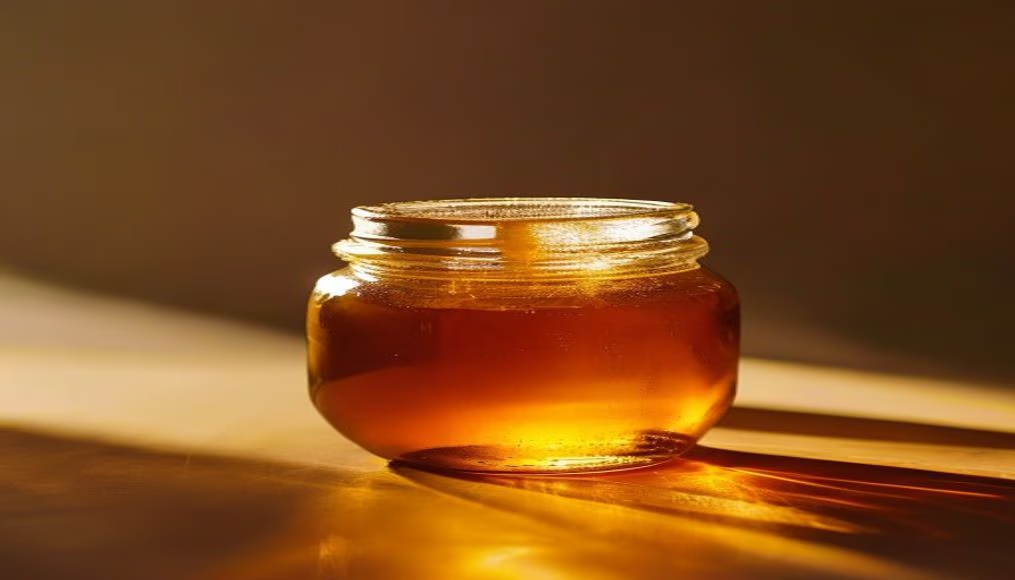
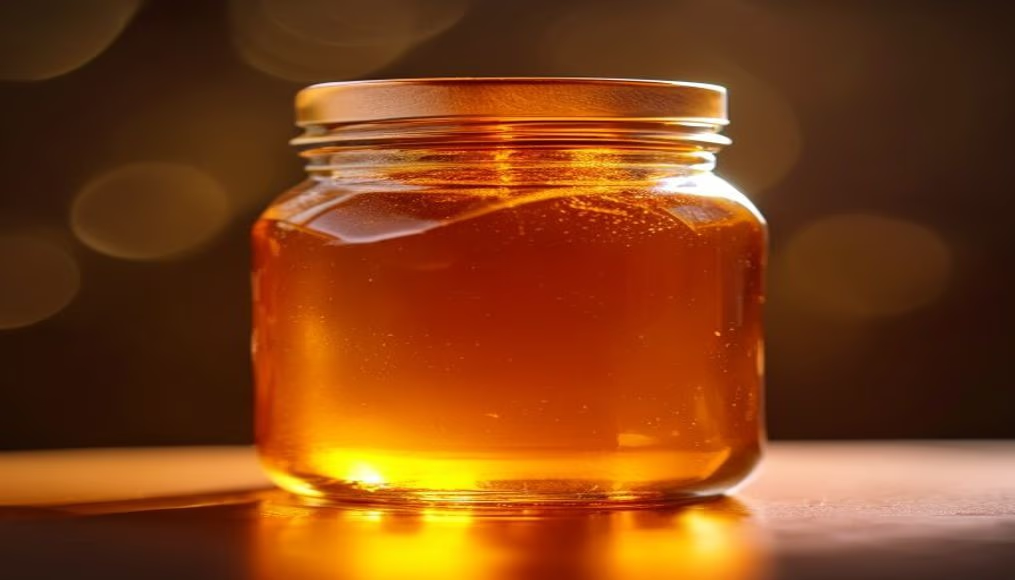
Opal play of color
1344×768 · AVIF · CC BY 4.0
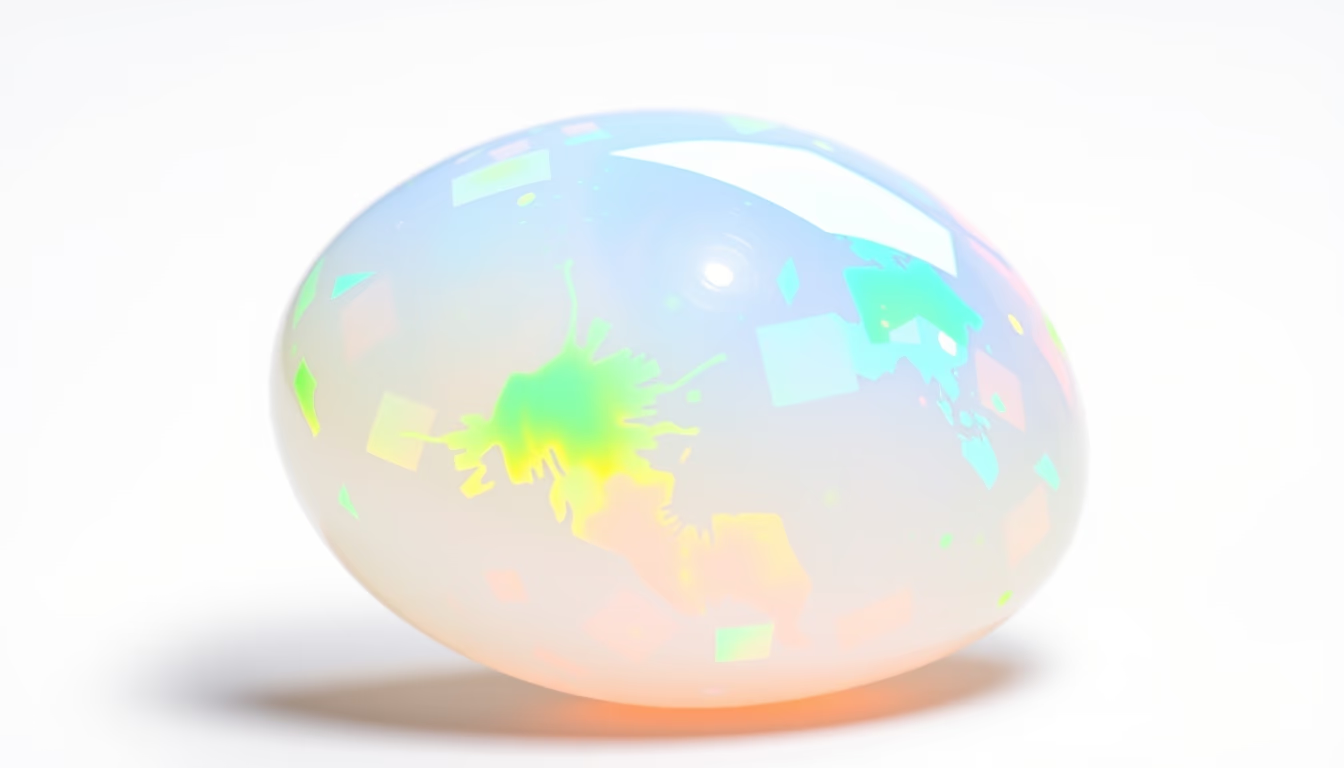
Opal's play of color is an optical phenomenon caused by light diffraction within its microcrystalline structure, varying according to the arrangement of silica spheres.
About this subject
Opal is a hydrated amorphous form of silica (SiO₂·nH₂O), renowned for a spectacular phenomenon called 'play of color'. This effect occurs when white light enters the stone and is diffracted by three-dimensional networks of microscopic silica spheres, acting as a diffraction grating. The size and arrangement of these spheres determine which wavelengths are reflected to the observer, resulting in flashes of color that shift with the viewing angle.
Major global sources of opal include Australia, which produces about 95% of the world's precious opal, notably from mines in Coober Pedy, Lightning Ridge, and White Cliffs. Other significant deposits are found in Mexico, Ethiopia, Brazil, and the United States. Each locality yields opals with distinct characteristics: Australian opals are famed for intense play of color on dark backgrounds, while Ethiopian opals can be hydrophane, absorbing water and temporarily losing their brilliance.
Culturally, opal has been prized for centuries. Romans considered it a symbol of purity and hope. In the Middle Ages, it was believed to possess healing and protective powers. Today, it is the traditional birthstone for October and is widely used in jewelry, cabochons, and decorative objects. Its ephemeral beauty and color variation make each piece unique, increasing its appeal among collectors and designers.
Interestingly, the internal structure that generates play of color is fragile: opals can crack if exposed to sudden temperature or humidity changes. Therefore, opal jewelry requires special care, such as avoiding immersion in liquids and storing in a stable environment. The science behind this phenomenon was first described in detail by Australian mineralogist John W. Keble in the 1960s, although the effect was known since antiquity.
Frequently Asked Questions
What causes the play of color in opal?
The play of color is caused by diffraction of white light from three-dimensional arrays of microscopic silica spheres. The size of the spheres determines the colors seen, which shift with the viewing angle.
What is the difference between precious opal and common opal?
Precious opal displays play of color, while common opal (or potch) lacks this optical property. The difference lies in the regularity and size of the internal silica spheres.
How should I care for opal jewelry?
Avoid sudden temperature changes, excessive humidity, and chemicals. Do not soak in water for long periods (especially if hydrophane). Store in a stable environment and clean with a dry cloth.
Direct URL
https://pub-c7d6a6ea828543ac903a74a341ccb2e1.r2.dev/imagens/opal-play-of-color-commercial-product-photography-p8.avifHow to credit
Include a visible link back to UtilizAí. Copy one of the snippets below:
<a href="https://xn--utiliza-eza.com/en/midia/imagens/opal-play-of-color-commercial-product-photography-p8">Opal play of color</a> by <a href="https://xn--utiliza-eza.com">UtilizAí</a>, licensed under <a href="https://creativecommons.org/licenses/by/4.0/">CC BY 4.0</a>.
[Opal play of color](https://xn--utiliza-eza.com/en/midia/imagens/opal-play-of-color-commercial-product-photography-p8) by [UtilizAí](https://xn--utiliza-eza.com), CC BY 4.0
License: CC-BY-4.0