Olives in clay jar
1344×768 · AVIF · CC BY 4.0
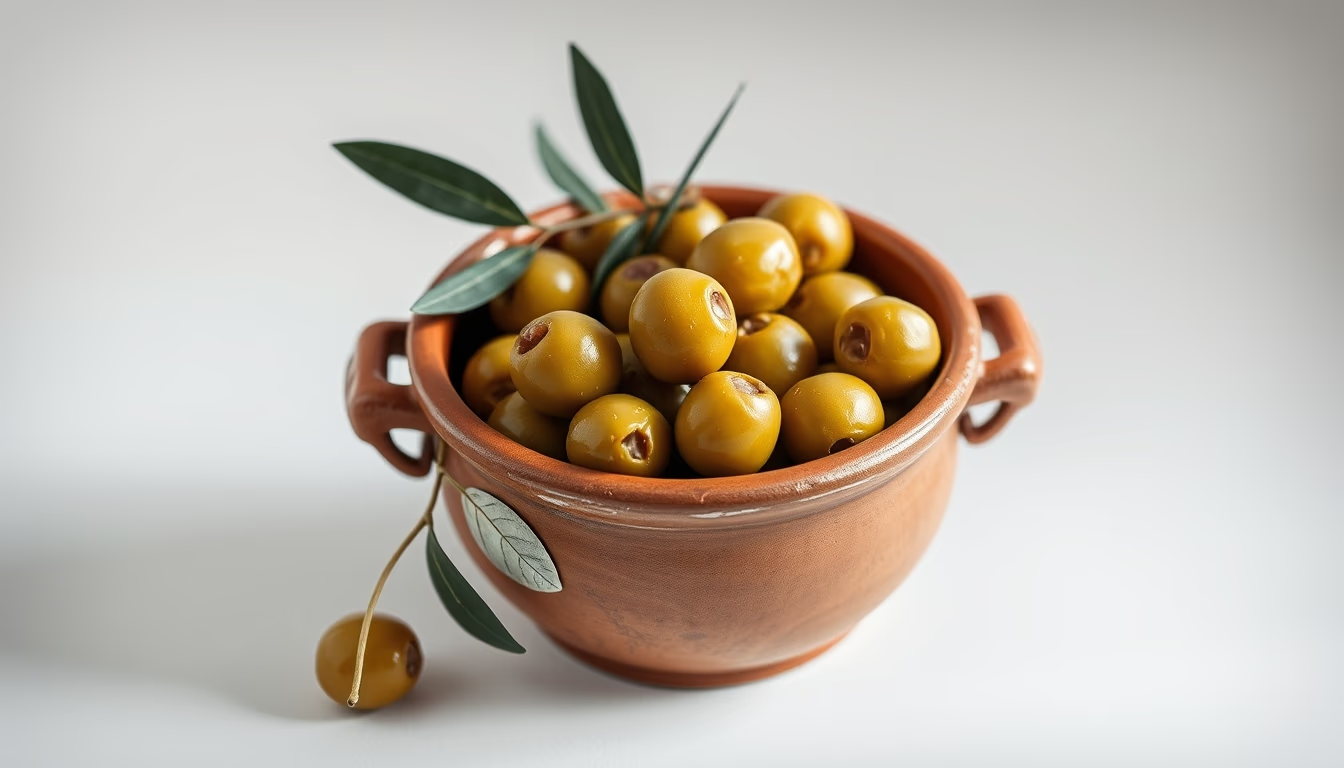
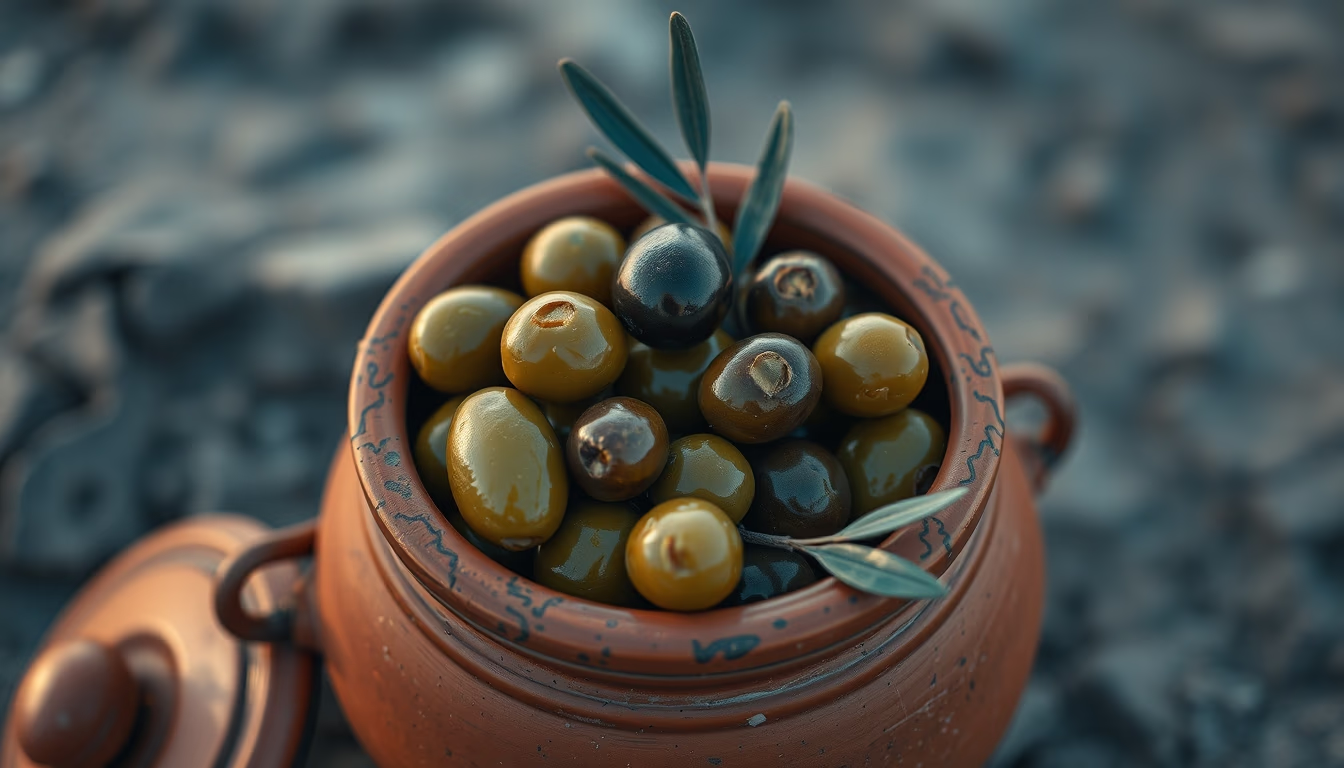
Olives preserved in clay jars are an ancient Mediterranean tradition, combining flavor and artisanal fermentation techniques.
About this subject
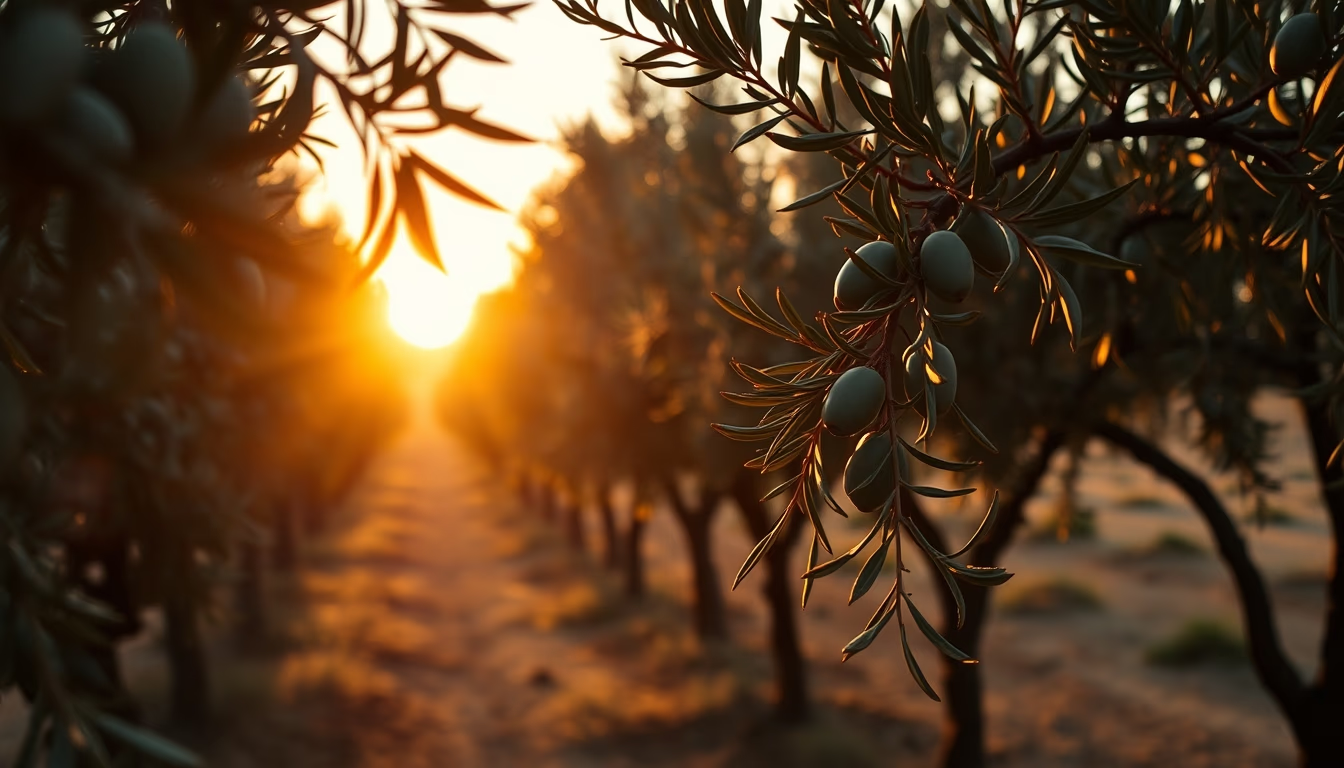
Olives are the fruit of the olive tree, cultivated for over 6,000 years in the Mediterranean region. The use of clay jars for their preservation dates back to Greek and Roman civilizations, which discovered that porous clay allows controlled gas exchange during the curing process, resulting in a more balanced flavor and firm texture. Today, this artisanal practice continues in small farms, especially in Greece, Italy, and Portugal, where varieties like Kalamata, Manzanilla, and Galega are fermented in brine inside clay amphorae.
The preservation process begins with hand-harvesting green or ripe olives. They are washed and immersed in a water-and-salt solution for several months. The porosity of clay helps maintain stable temperature and allows bitter compounds, such as oleuropein, to escape. Unlike plastic containers, which can alter flavor, clay is neutral and breathable, promoting the growth of beneficial microorganisms that impart a complex, mildly fermented taste.
In Brazil, olives in clay jars gained prominence with Italian and Portuguese immigration, often found at colonial product fairs. The most common variety is Kalamata, with a fruity flavor and purple skin. Artisanal production still faces challenges of scale and regulation but is valued by chefs and consumers seeking authentic flavors. Studies show that clay preservation better retains the antioxidant properties of olives, such as polyphenols, compared to industrial pasteurization methods.
Frequently Asked Questions
How to preserve olives in a clay jar?
Wash fresh olives, make superficial cuts, and immerse them in brine (water with 10% salt). Cover the jar with a cloth or porous lid and let ferment in a cool place for 2 to 3 months, changing the brine every 2 weeks.
How long do olives preserved in clay last?
If kept in brine and stored in a cool place (below 15°C), they can last up to 12 months. Once opened, refrigerate and consume within 3 months.
Which olives are best for clay jar preservation?
Firm-fleshed varieties like Kalamata, Cerignola, and Manzanilla are ideal. Bitter green olives require longer curing; ripe olives have a milder flavor and ferment faster.
Direct URL
https://pub-c7d6a6ea828543ac903a74a341ccb2e1.r2.dev/imagens/olives-in-clay-jar-studio-still-life-p4.avifHow to credit
Include a visible link back to UtilizAí. Copy one of the snippets below:
<a href="https://xn--utiliza-eza.com/en/midia/imagens/olives-in-clay-jar-studio-still-life-p4">Olives in clay jar</a> by <a href="https://xn--utiliza-eza.com">UtilizAí</a>, licensed under <a href="https://creativecommons.org/licenses/by/4.0/">CC BY 4.0</a>.
[Olives in clay jar](https://xn--utiliza-eza.com/en/midia/imagens/olives-in-clay-jar-studio-still-life-p4) by [UtilizAí](https://xn--utiliza-eza.com), CC BY 4.0
License: CC-BY-4.0