Olives in clay jar
1344×768 · AVIF · CC BY 4.0
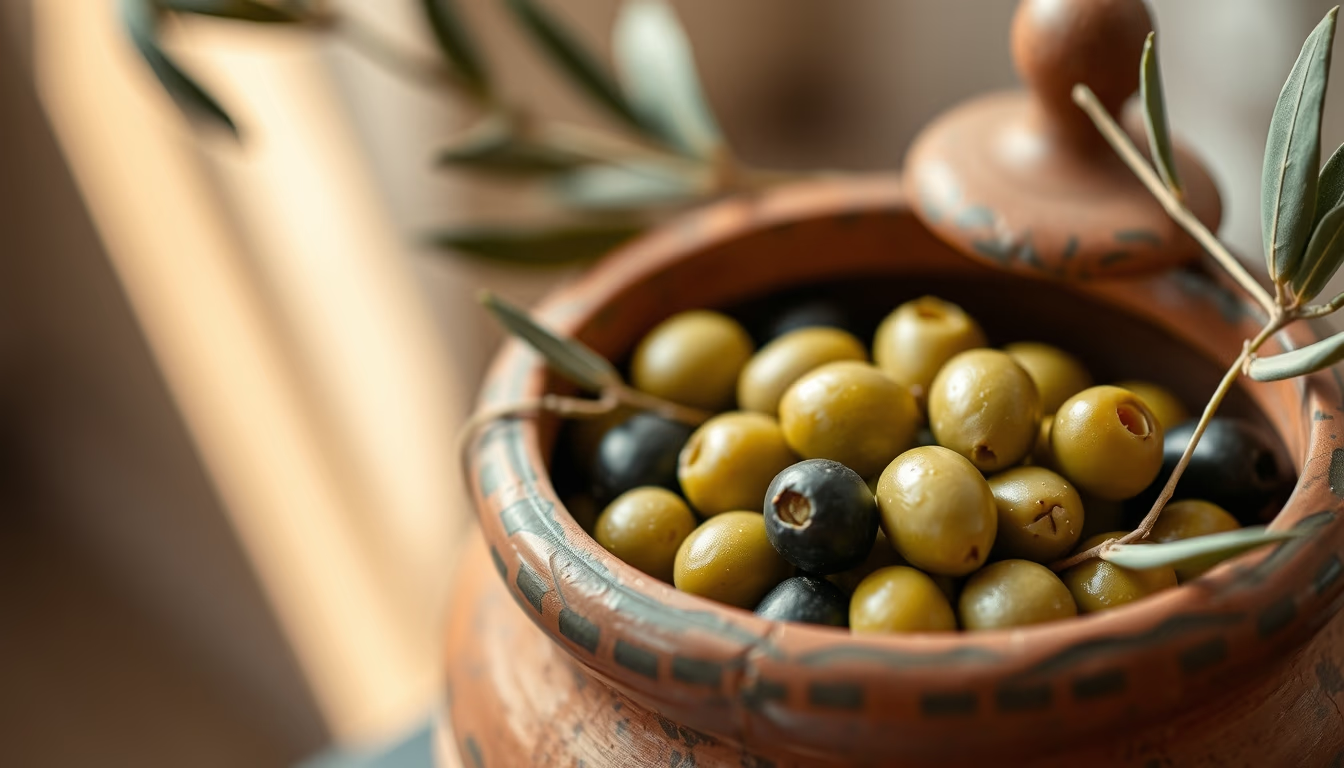
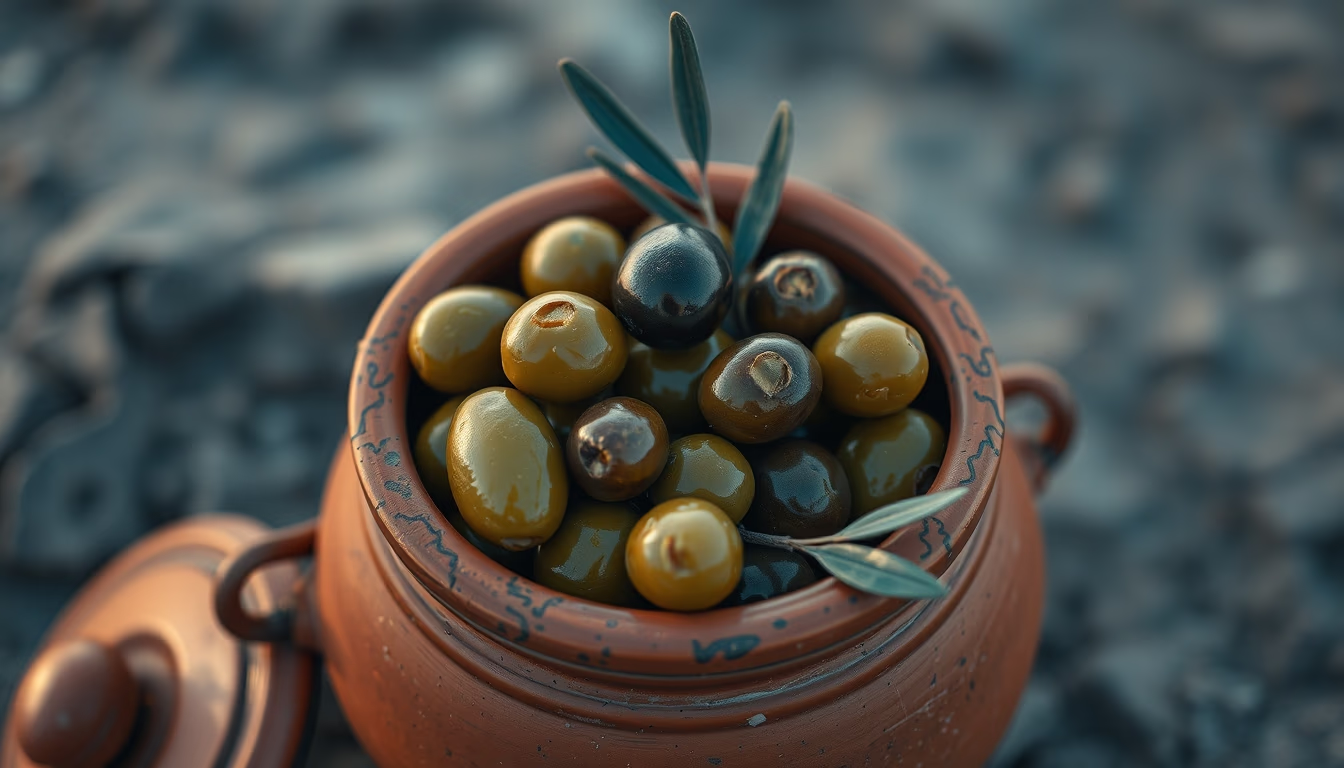
Olives preserved in a clay jar: an ancient tradition combining flavor with age-old fermentation techniques.
About this subject
Olives cured in clay jars represent a preservation technique dating back to antiquity, especially in the Mediterranean region. The clay, a porous and natural material, creates an ideal microclimate for slow fermentation, allowing olives to develop complex flavors and a firm texture. This method is traditionally used in Greece, Italy, Portugal, and Morocco, where olives are harvested either green or ripe and then subjected to brine or dry curing with herbs.
Historically, clay jars (also known as amphorae or orci) were sealed with oil and clay to prevent oxidation and contamination. Archaeological excavations in Crete and Cyprus have uncovered 3,000‑year‑old amphorae still containing traces of olives. Today, artisanal producers revive this practice, emphasizing natural fermentation without chemical additives, resulting in a healthier and more flavorful product.
The process involves washing the olives, scoring them to reduce bitterness, and submerging them in salted water for weeks or months. Clay regulates temperature and allows minimal gas exchange, favoring beneficial bacteria like Lactobacillus. Each region has its variation: in Sicily, fennel and orange are added; in Calabria, chili pepper; in Morocco, preserved lemon and cilantro.
Interestingly, olives in clay jars are not just food but a cultural symbol. In Greece, the olive branch represents peace and prosperity, and olives preserved in amphorae were religious offerings. Nowadays, gourmet markets and organic fairs in cities like São Paulo and Lisbon offer these delicacies, connecting consumers to a millennia‑old heritage.
Frequently Asked Questions
How long does it take to cure olives in a clay jar?
The process can take from 2 weeks to 3 months, depending on the size and variety of the olive, salt concentration, and ambient temperature. Slow fermentation is essential for a balanced flavor.
Why use clay instead of plastic or glass?
Clay is porous and allows micro‑gas exchange, favoring natural fermentation. It also maintains a more stable temperature and does not leach chemicals like some plastics, preserving the authentic taste.
What is the difference between green and black olives in preservation?
Green olives are harvested unripe and have a more bitter taste and crunchy texture; black olives are ripe, sweeter, and softer. Curing time is longer for green olives, and both require removal of natural bitterness before preservation.
Direct URL
https://pub-c7d6a6ea828543ac903a74a341ccb2e1.r2.dev/imagens/olives-in-clay-jar-documentary-photography-p9.avifHow to credit
Include a visible link back to UtilizAí. Copy one of the snippets below:
<a href="https://xn--utiliza-eza.com/en/midia/imagens/olives-in-clay-jar-documentary-photography-p9">Olives in clay jar</a> by <a href="https://xn--utiliza-eza.com">UtilizAí</a>, licensed under <a href="https://creativecommons.org/licenses/by/4.0/">CC BY 4.0</a>.
[Olives in clay jar](https://xn--utiliza-eza.com/en/midia/imagens/olives-in-clay-jar-documentary-photography-p9) by [UtilizAí](https://xn--utiliza-eza.com), CC BY 4.0
License: CC-BY-4.0