Olive press traditional stone
1344×768 · AVIF · CC BY 4.0
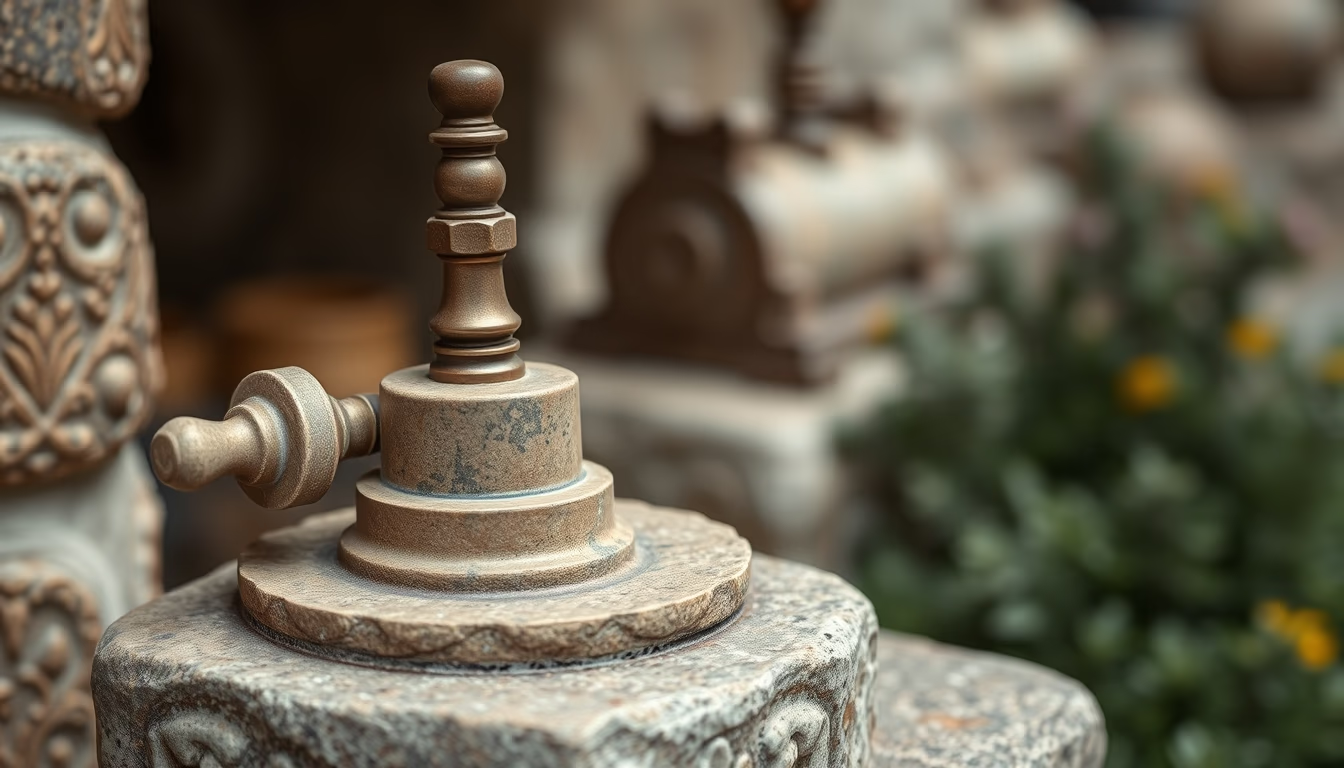
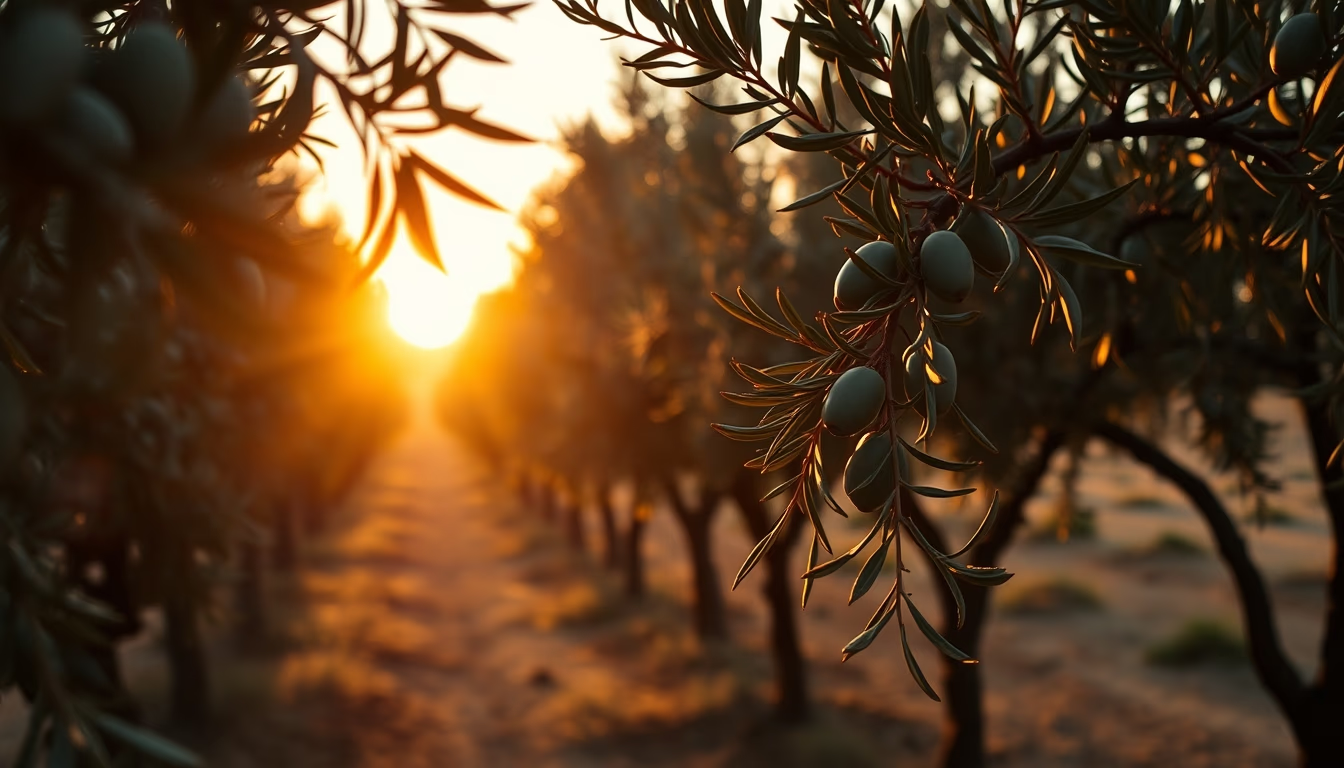
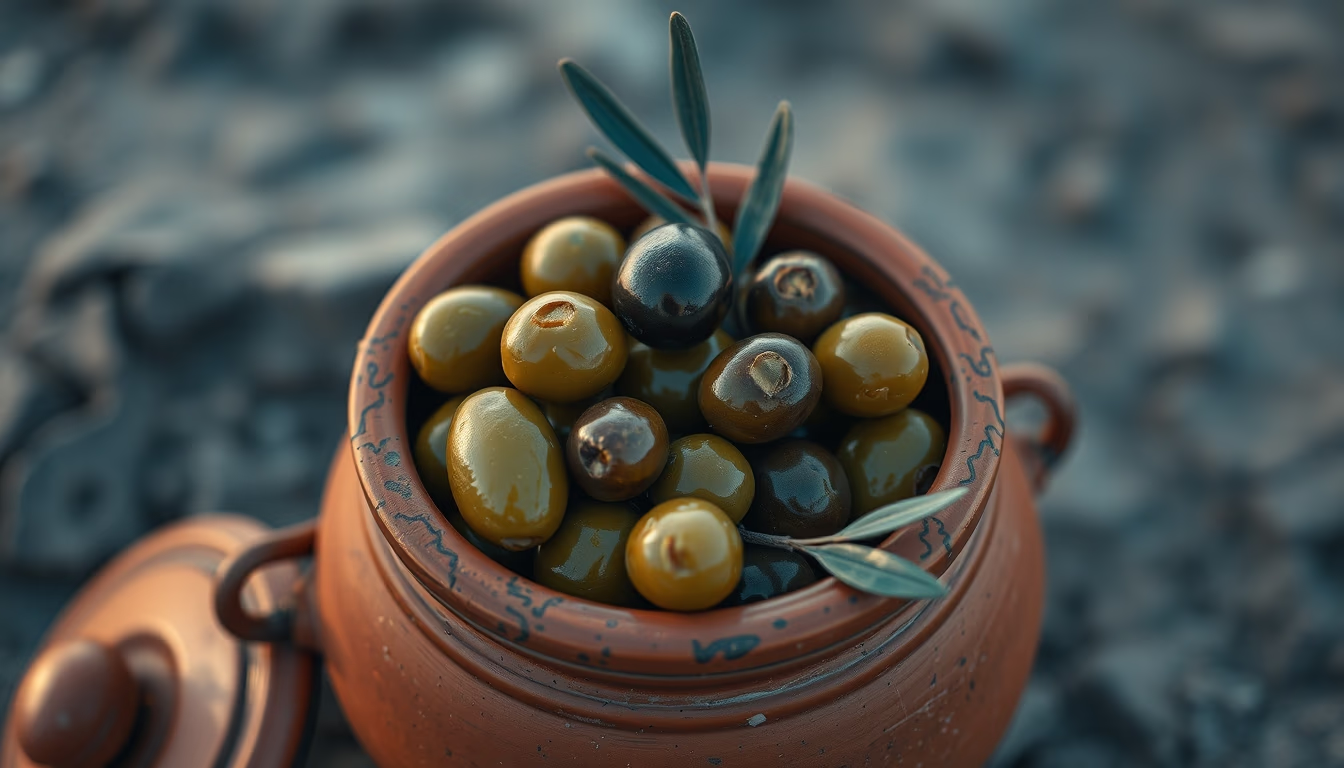
Traditional stone olive presses have been used for millennia to extract olive oil, combining artisanal technique and cultural heritage.
About this subject
The traditional stone olive press is one of the oldest methods of olive oil extraction, dating back to classical antiquity in the Mediterranean. The process begins by crushing olives in a large stone mortar, usually rotating, called a millstone or mull. This step breaks the pulp and releases oil from the cells. The resulting paste is then pressed in a lever or screw press, where straw discs or mats separate the liquid. The oil flows into decantation vessels, where water and solid residues naturally separate.
In Greece and Italy, these presses are often found in archaeological sites and still operate in small family farms as living heritage. For instance, in the Tuscany region, some farms maintain century-old presses during harvest, preserving complex flavors that modern presses cannot replicate. The stone technique gives the oil a fruity and peppery profile due to less oxidation during grinding.
Cultural significance goes beyond culinary: in many communities, communal pressing was a seasonal social event where families gathered to process the crop. Today, UNESCO recognizes the Mediterranean diet as an Intangible Cultural Heritage of Humanity, and the stone press symbolizes this legacy. Despite industrial dominance, there is a resurgence of interest in traditional methods, driven by slow food movements and artisanal producers.
Frequently Asked Questions
How does a traditional stone olive press work?
Olives are crushed by a rotating stone wheel to form a paste. The paste is then placed on mats and pressed mechanically, separating the oil from solids and water.
Why is the stone press considered superior for special olive oils?
Slow stone grinding generates less heat, preserving aromatic compounds and antioxidants. The result is a more complex, fruity oil with higher polyphenol content.
Where are stone presses still used today?
Mainly in small family farms in Italy, Greece, Portugal, and Spain, often as a tourist attraction or for limited production of premium olive oil.
Direct URL
https://pub-c7d6a6ea828543ac903a74a341ccb2e1.r2.dev/imagens/olive-press-traditional-stone-tilt-shift-miniature-p12.avifHow to credit
Include a visible link back to UtilizAí. Copy one of the snippets below:
<a href="https://xn--utiliza-eza.com/en/midia/imagens/olive-press-traditional-stone-tilt-shift-miniature-p12">Olive press traditional stone</a> by <a href="https://xn--utiliza-eza.com">UtilizAí</a>, licensed under <a href="https://creativecommons.org/licenses/by/4.0/">CC BY 4.0</a>.
[Olive press traditional stone](https://xn--utiliza-eza.com/en/midia/imagens/olive-press-traditional-stone-tilt-shift-miniature-p12) by [UtilizAí](https://xn--utiliza-eza.com), CC BY 4.0
License: CC-BY-4.0