Olive press traditional stone
1344×768 · AVIF · CC BY 4.0
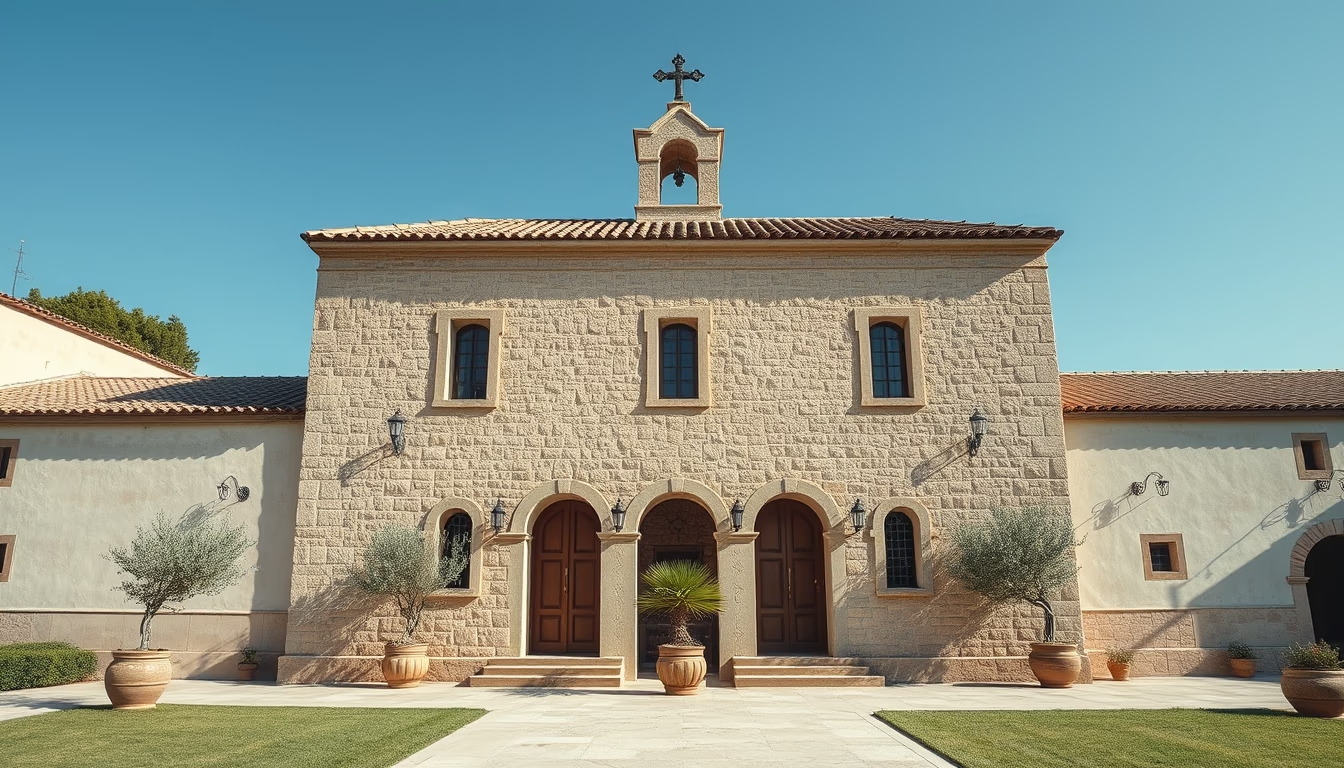
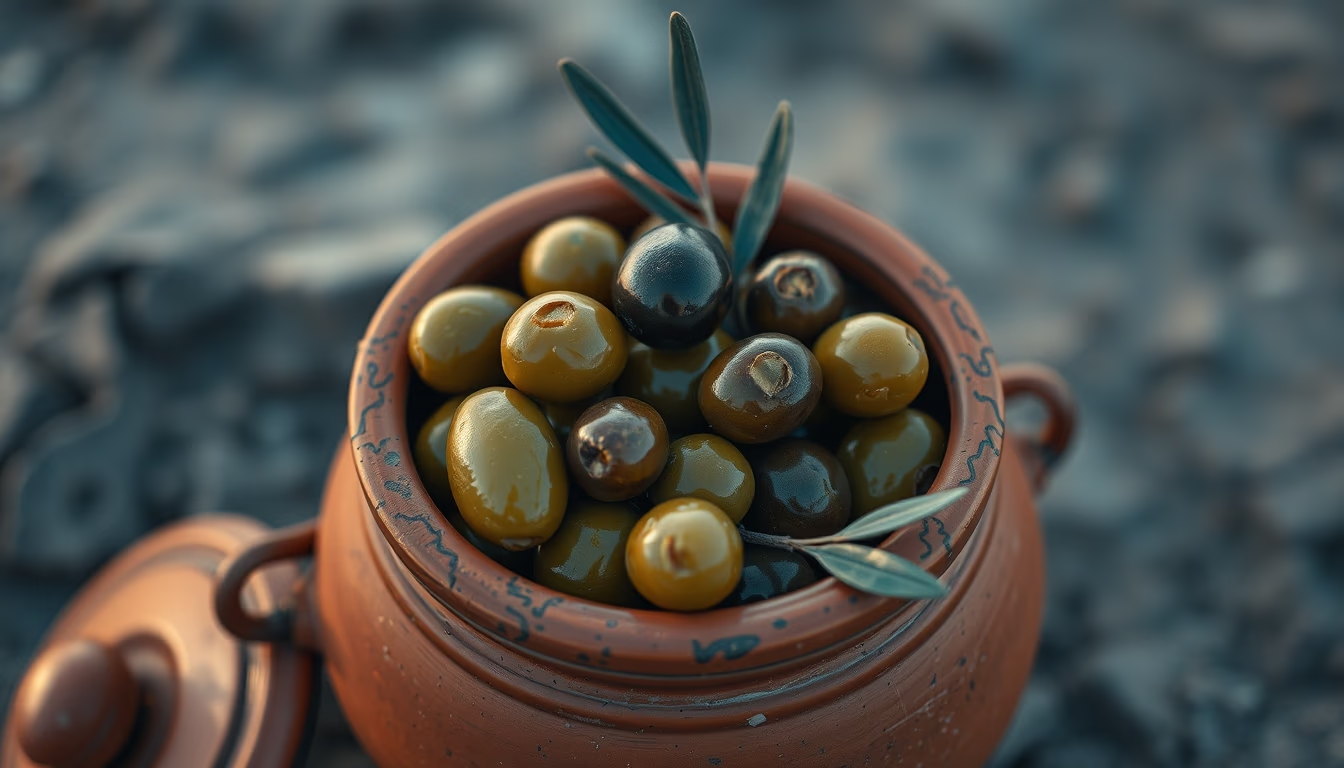
The traditional stone olive press is an ancient device used for olive oil extraction, blending rustic engineering with ancestral wisdom.
About this subject
The traditional stone olive press, also known as a mola or edge runner mill, uses large granite or basalt wheels to crush olives and extract oil. This artisanal method dates back over 5,000 years, with evidence in Minoan and Ancient Egyptian civilizations. During the Roman Empire, stone presses were refined and spread across the Mediterranean basin, becoming the cornerstone of olive oil production for centuries.
Operation is straightforward: olives are placed on a circular stone base, where one or more vertical wheels rotate, pulled by animals like donkeys or mules, or by human force. The motion grinds the pulp and pits into a paste, then pressed to separate the oil. Pressing was done with wooden screws or stacked heavy stones, a process requiring patience and technical know-how.
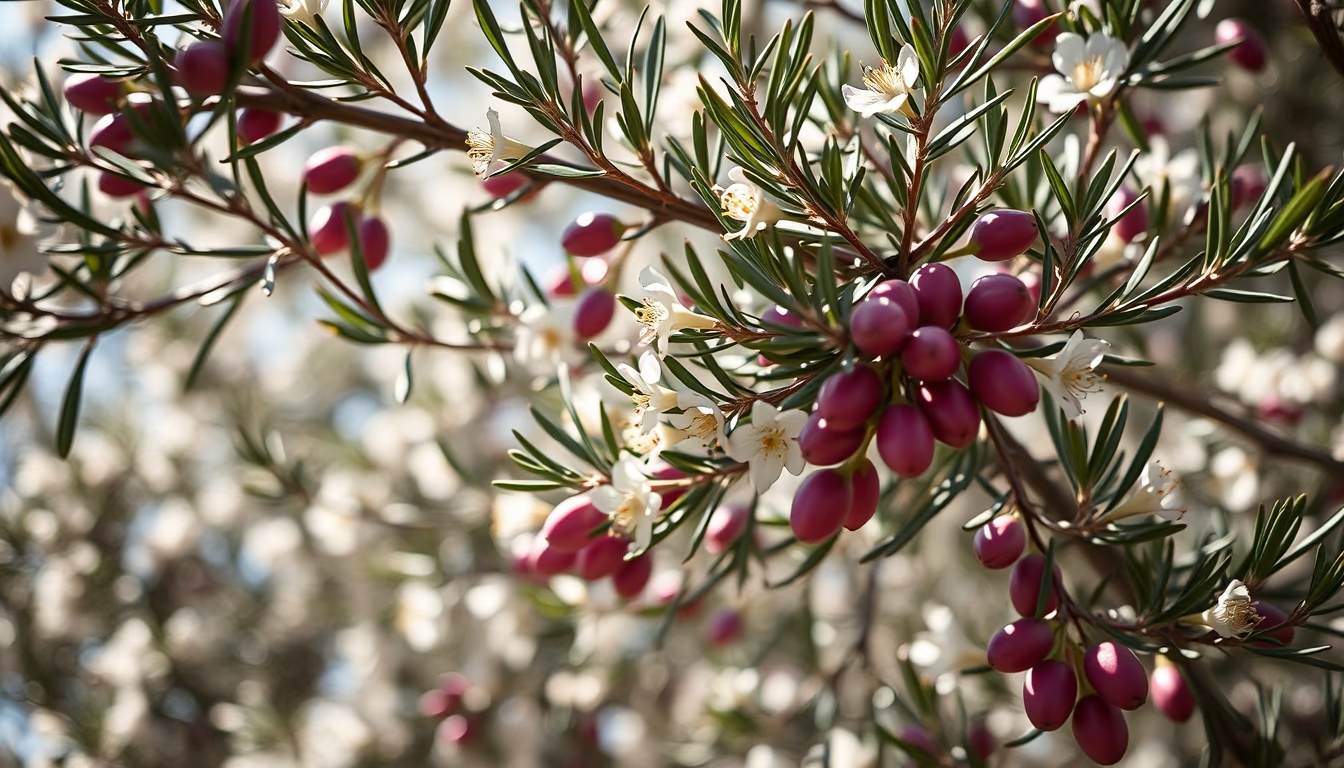
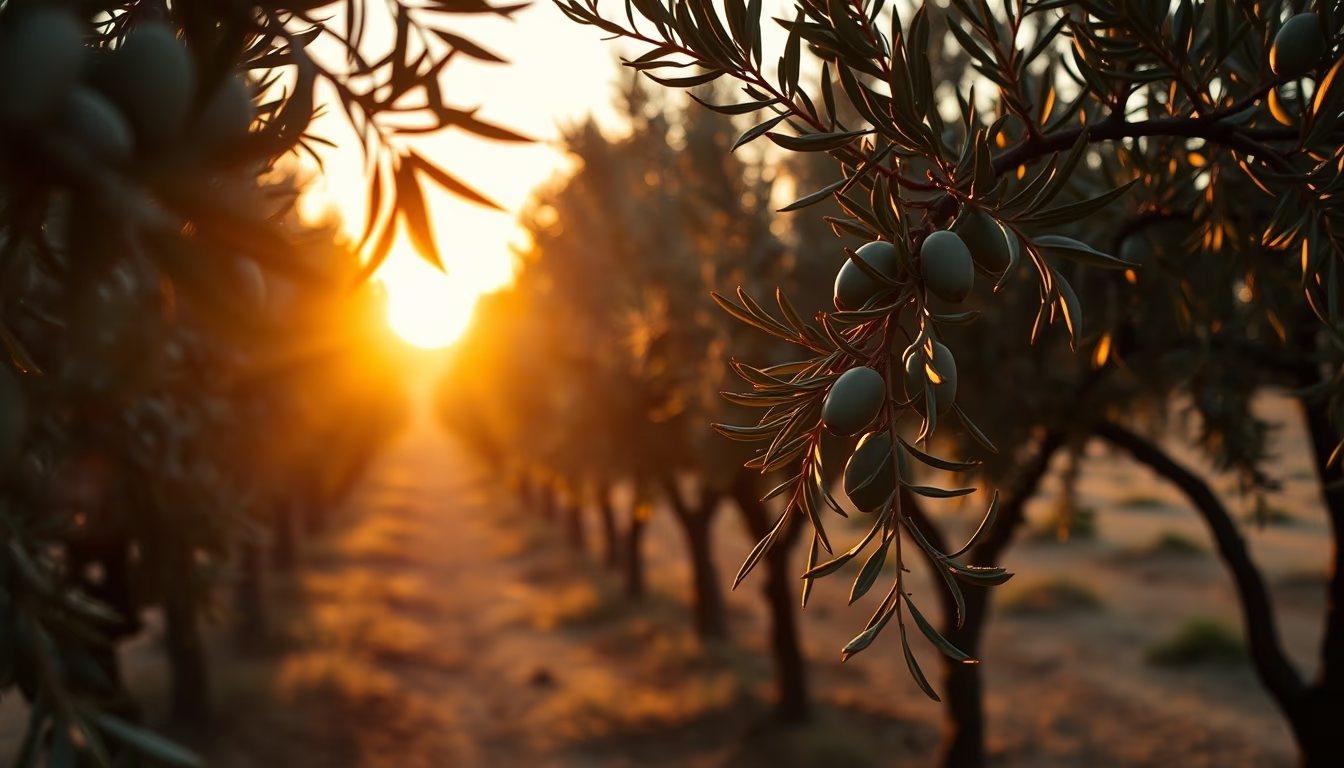
Culturally, the stone press symbolizes olive-growing traditions in regions such as Andalusia, Tuscany, Crete, and Portugal's Alentejo. In Greece, stone presses over 2,000 years old are preserved in open-air museums. In Brazil, olive cultivation is newer, but in Rio Grande do Sul and the Serra da Mantiqueira, producers are reviving the artisanal method with stone presses to obtain extra virgin olive oils with intense, fruity flavors.
Today, despite the dominance of hydraulic presses and industrial centrifuges, stone presses are still used in small farms and at gastronomic fairs. Olive oil produced by this method is prized for its rustic character and historical connection. The stone does not heat the olives during grinding, better preserving aromatic compounds and antioxidants, resulting in a superior product in many aspects.
Frequently Asked Questions
How does a traditional stone olive press work?
A stone olive press works by crushing olives with rotating stone wheels on a circular base to form a paste. This paste is then pressed using screws or weights to extract the oil, which is separated from water and solids by decantation.
What is the historical origin of the stone olive press?
Stone olive presses originated over 5,000 years ago in the Eastern Mediterranean, with archaeological evidence on the island of Crete (Minoan civilization) and in Egypt. They were widely used by Greeks and Romans, who spread the technique across Europe and North Africa.
Is the stone olive press still used today?
Yes, although rare, stone presses are used by small artisanal producers, especially in Italy, Greece, Portugal, and Spain. There are also initiatives in Brazil, such as in the Serra da Mantiqueira, to produce specialty olive oils using this method.
Direct URL
https://pub-c7d6a6ea828543ac903a74a341ccb2e1.r2.dev/imagens/olive-press-traditional-stone-architectural-photography-p5.avifHow to credit
Include a visible link back to UtilizAí. Copy one of the snippets below:
<a href="https://xn--utiliza-eza.com/en/midia/imagens/olive-press-traditional-stone-architectural-photography-p5">Olive press traditional stone</a> by <a href="https://xn--utiliza-eza.com">UtilizAí</a>, licensed under <a href="https://creativecommons.org/licenses/by/4.0/">CC BY 4.0</a>.
[Olive press traditional stone](https://xn--utiliza-eza.com/en/midia/imagens/olive-press-traditional-stone-architectural-photography-p5) by [UtilizAí](https://xn--utiliza-eza.com), CC BY 4.0
License: CC-BY-4.0