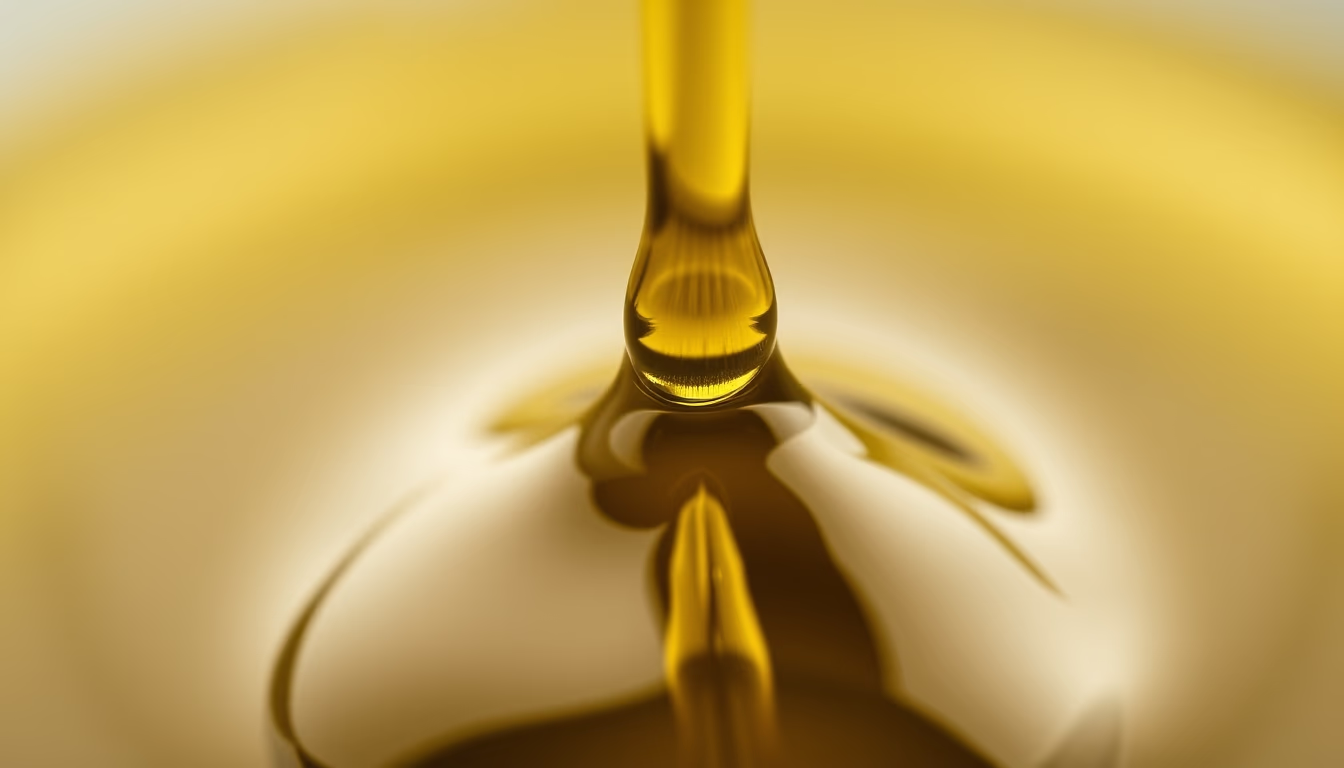
Olive oil pouring from bottle
1344×768 · AVIF · CC BY 4.0
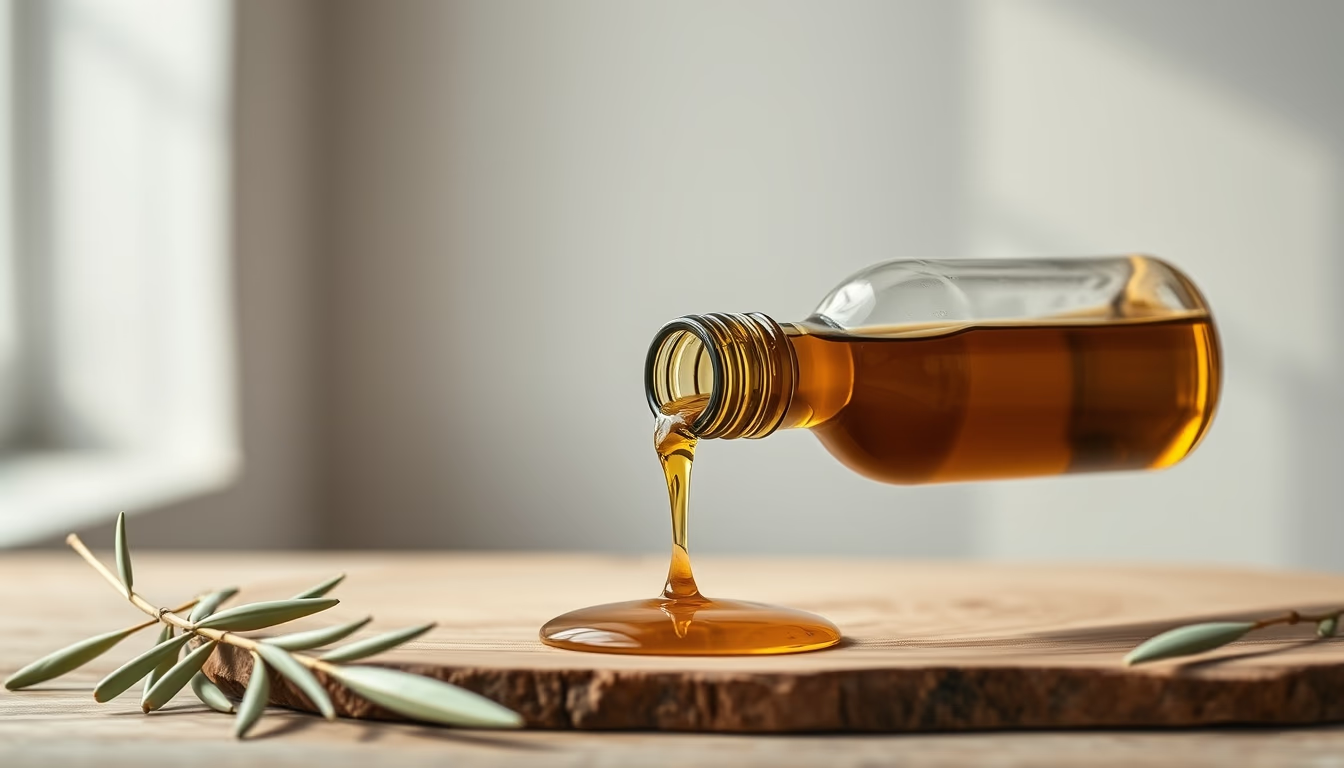
Extra virgin olive oil pours from a bottle in a minimalist composition, showcasing the texture and color of the Mediterranean liquid gold.
About this subject
Extra virgin olive oil is the juice of the olive obtained solely by mechanical cold processing, without any chemical treatment. To be classified as extra virgin, its free acidity must not exceed 0.8%, and it must have flawless flavor and aroma. This rigorous standard, regulated by the International Olive Council and adopted by countries such as Portugal, Spain, Italy, and Greece, ensures consumers a high-quality product rich in antioxidants like oleuropein and in monounsaturated fats beneficial for cardiovascular health.
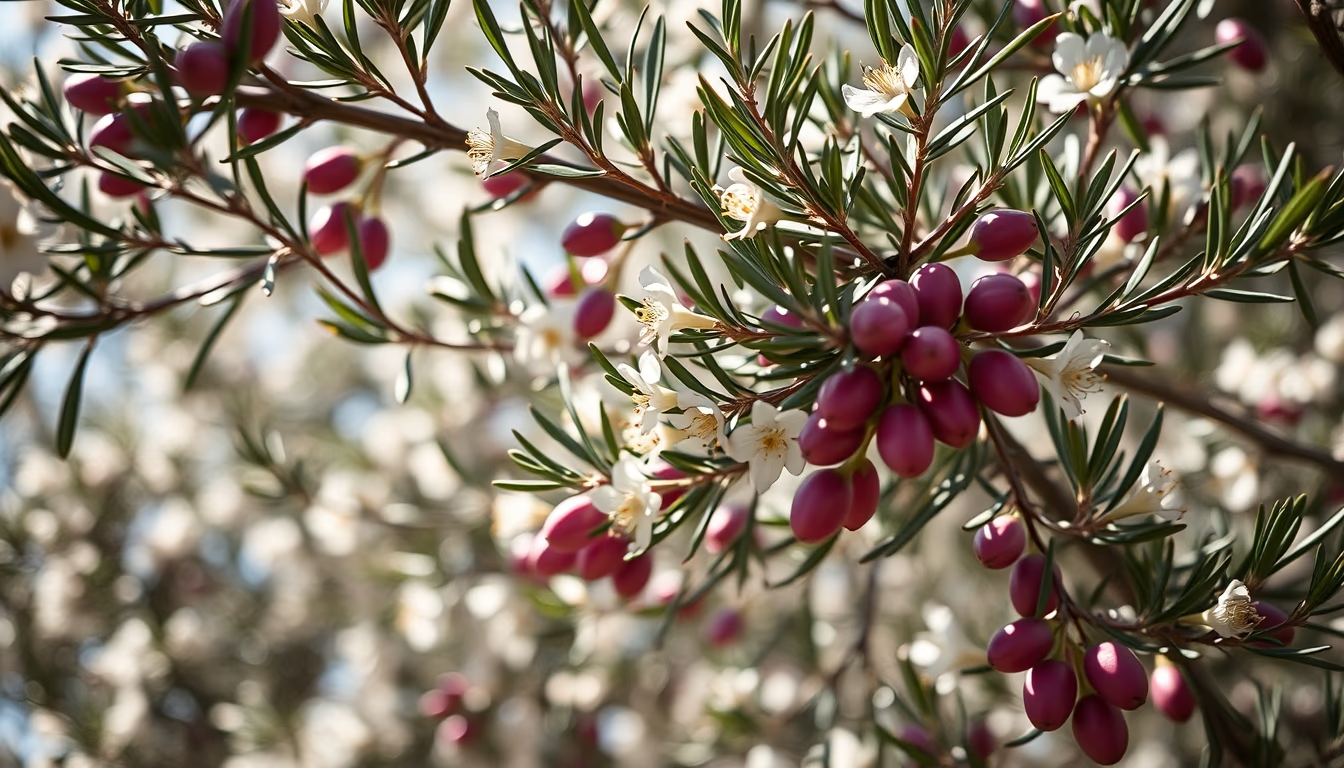
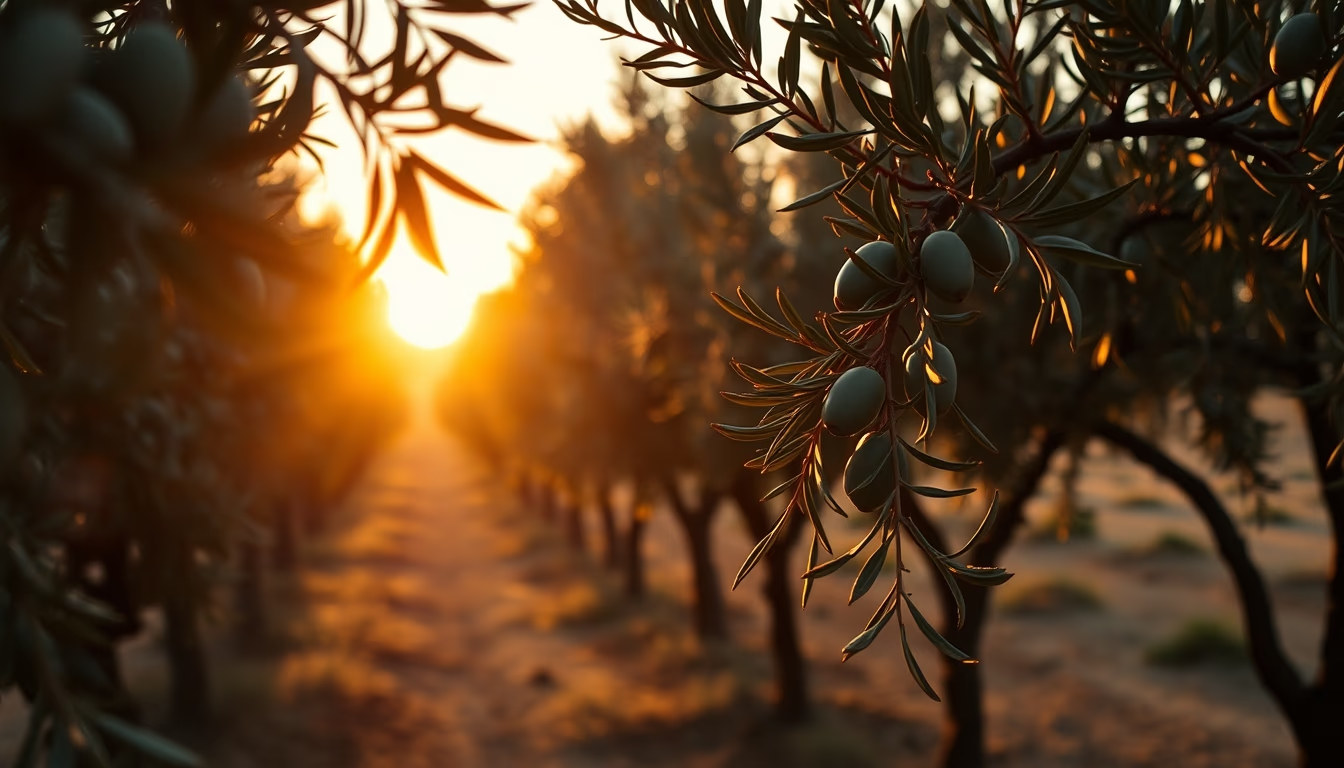
The olive tree, an emblematic tree of the Mediterranean basin, has been cultivated for over 6,000 years. Different varieties, such as Arbequina, Picual, and Koroneiki, produce oils with distinct sensory profiles: fruity, green, bitter, and spicy. Each country and region has protected designations of origin (PDO) that certify authenticity and terroir. Harvesting, whether manual or mechanical, takes place between October and February, and olives are processed within 24 hours to avoid unwanted fermentation, thus preserving the phenolic compounds responsible for flavor and health benefits.
In cooking, extra virgin olive oil is versatile: ideal for dressing salads, finishing dishes, making mayonnaise, and even for short-term frying due to its stability at high temperatures. However, its noblest use is pure tasting, similar to wine. In producing countries, it is common to offer olive oil in glasses to appreciate its nuances. To preserve its properties, it must be stored in a dark, cool place away from heat and light, preferably in dark glass or opaque containers.
Interestingly, Brazil imports olive oil mainly from Portugal, Spain, and Argentina, but domestic olive farming is growing, especially in Rio Grande do Sul, where local producers have already won international awards. Consumers should be aware of fraud: oils labeled as "extra virgin" but without certification may be blends of other oils. Reading labels and looking for quality seals are essential to ensure the product's origin and genuine taste.
Frequently Asked Questions
What is the difference between extra virgin and virgin olive oil?
Extra virgin olive oil has a maximum free acidity of 0.8% and no sensory defects, while virgin can have up to 2% acidity and minor flaws. Both are mechanically extracted, but extra virgin is superior in quality and flavor.
How should I store olive oil at home?
Store it in a dark, cool place between 15 and 20°C, away from the stove and direct sunlight. Prefer dark glass or opaque containers and close the lid tightly after use to prevent oxidation.
Can olive oil be used for frying?
Yes, for short frying, as extra virgin olive oil has a high smoke point (around 190 to 210°C) and is rich in antioxidants that make it more stable. However, for prolonged frying, sunflower or canola oil is preferable.
Direct URL
https://pub-c7d6a6ea828543ac903a74a341ccb2e1.r2.dev/imagens/olive-oil-pouring-from-bottle-minimalist-composition-p1.avifHow to credit
Include a visible link back to UtilizAí. Copy one of the snippets below:
<a href="https://xn--utiliza-eza.com/en/midia/imagens/olive-oil-pouring-from-bottle-minimalist-composition-p1">Olive oil pouring from bottle</a> by <a href="https://xn--utiliza-eza.com">UtilizAí</a>, licensed under <a href="https://creativecommons.org/licenses/by/4.0/">CC BY 4.0</a>.
[Olive oil pouring from bottle](https://xn--utiliza-eza.com/en/midia/imagens/olive-oil-pouring-from-bottle-minimalist-composition-p1) by [UtilizAí](https://xn--utiliza-eza.com), CC BY 4.0
License: CC-BY-4.0