Olive oil pouring from bottle
1344×768 · AVIF · CC BY 4.0
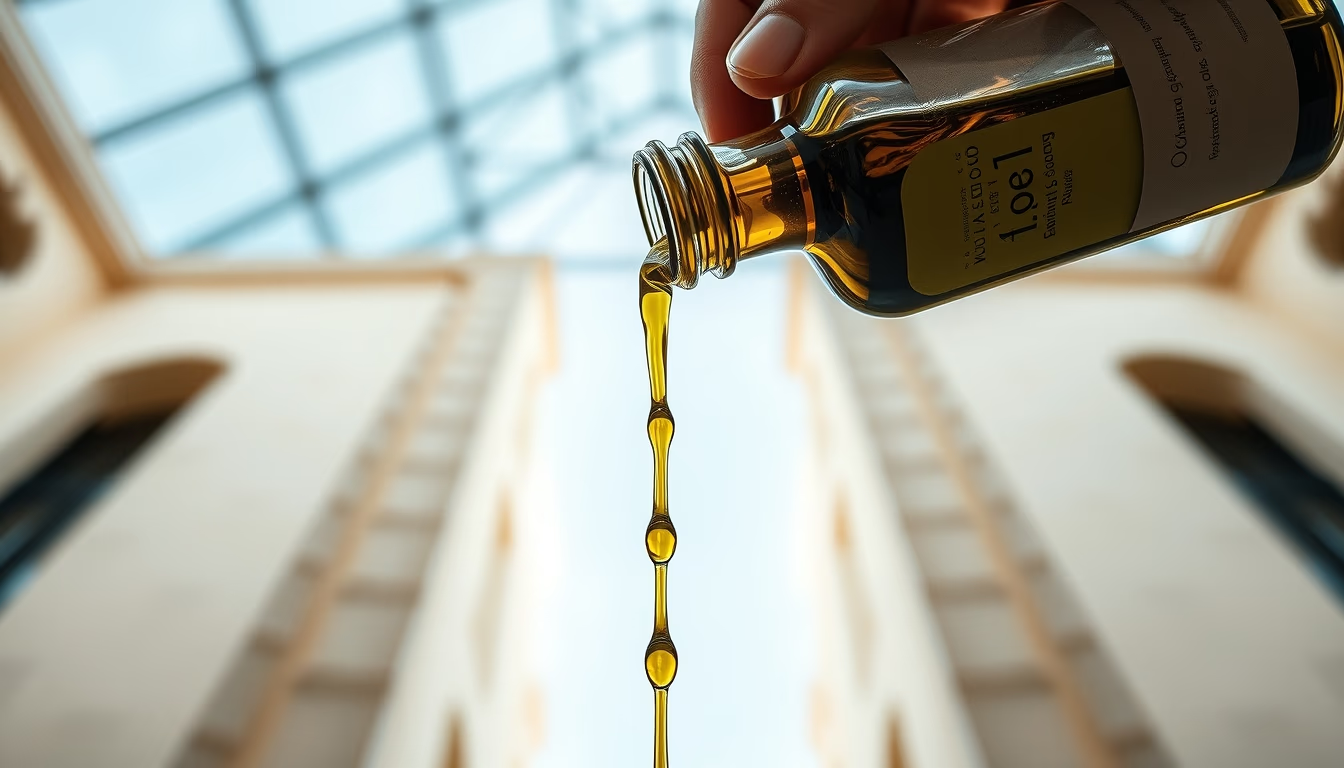
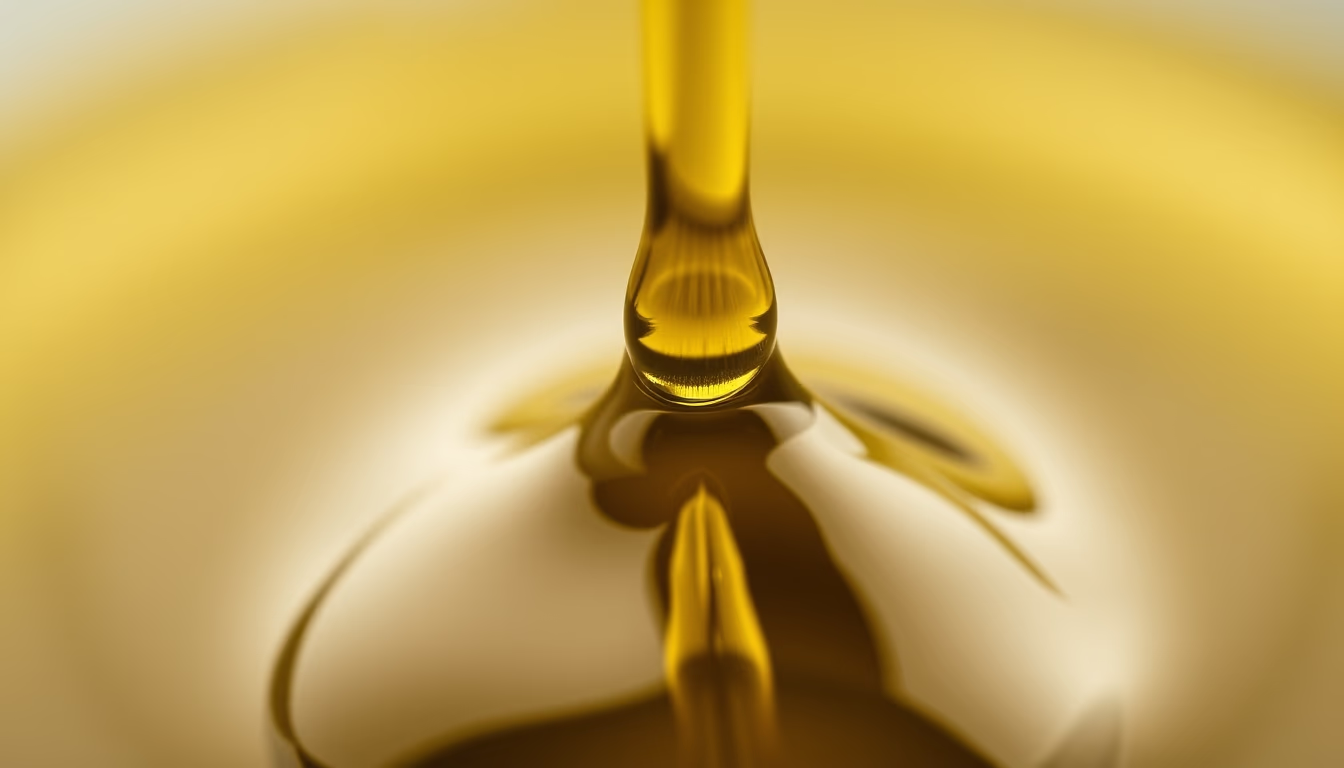
Olive oil is a cornerstone of the Mediterranean diet, renowned for its health benefits and culinary versatility.
About this subject
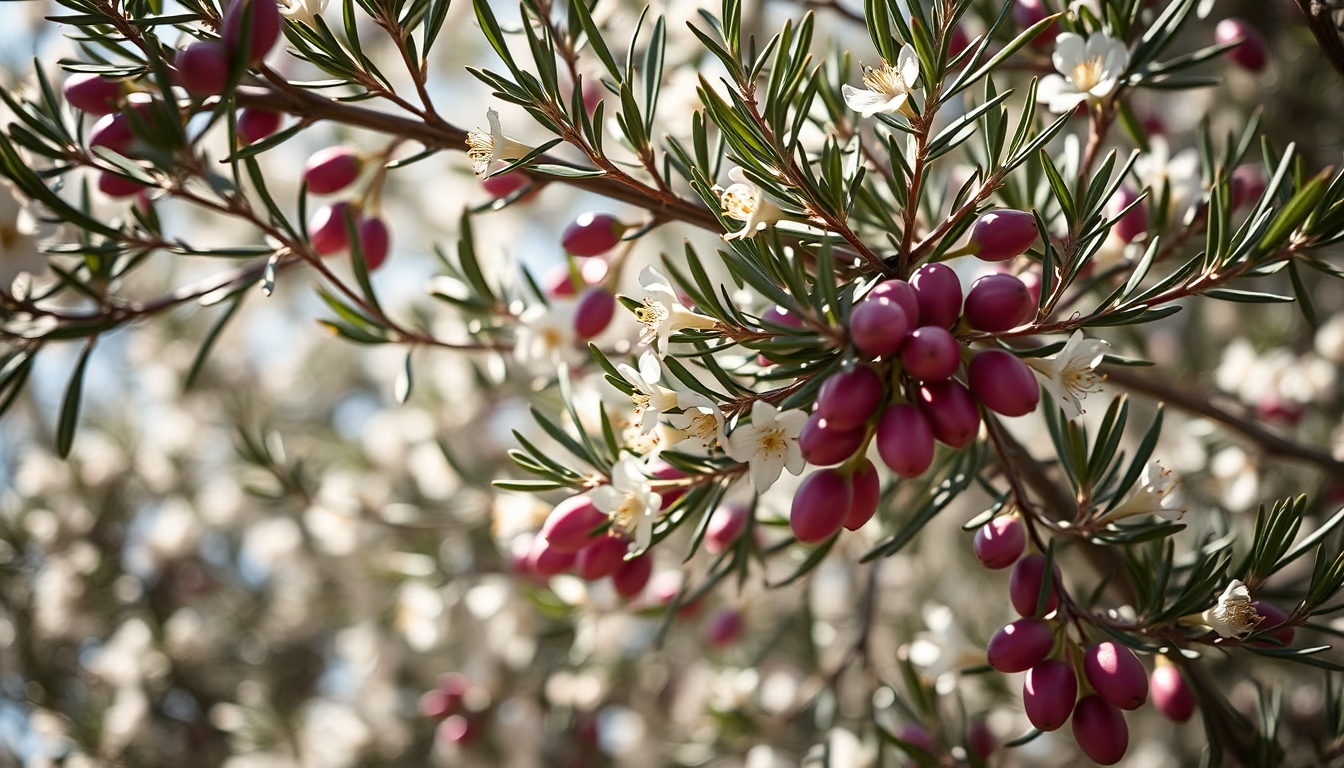
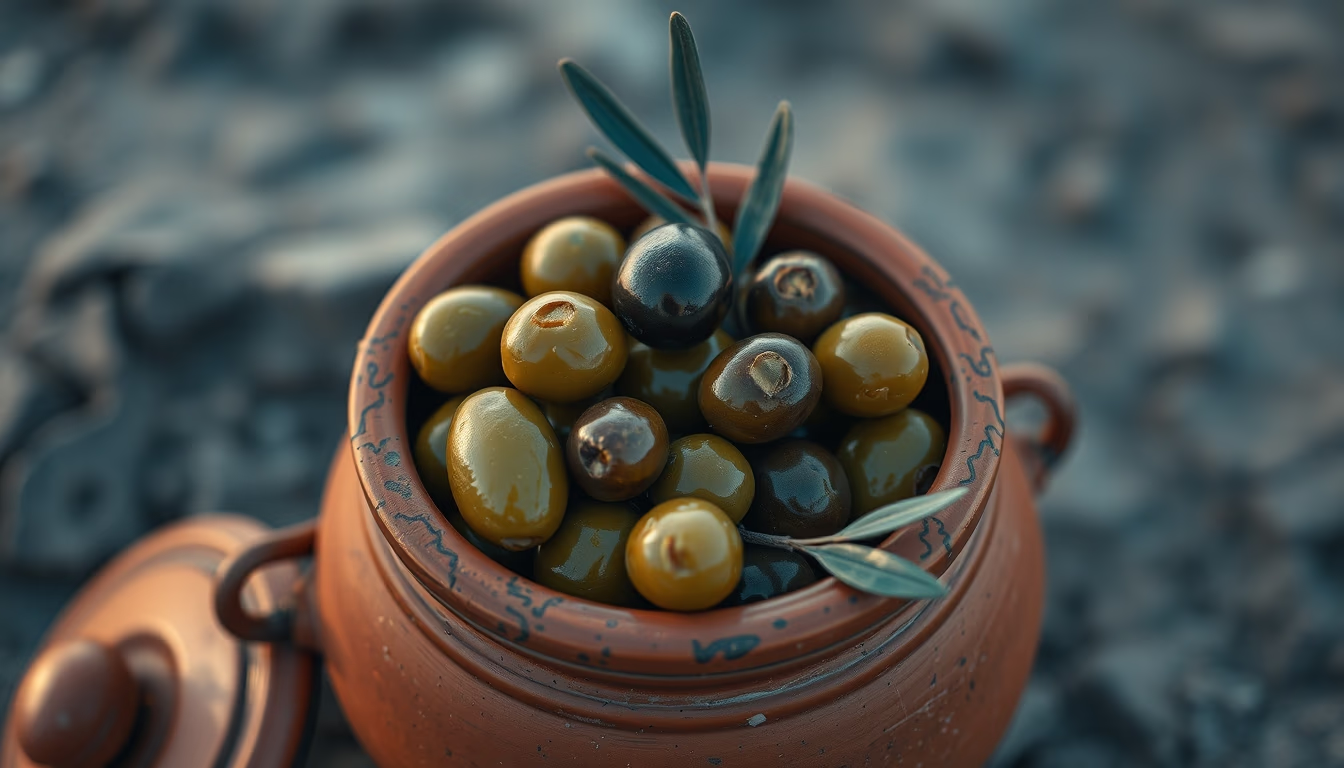
Olive oil is the oily juice extracted from olives, the fruit of the olive tree (Olea europaea). Its production dates back thousands of years, with evidence in the Eastern Mediterranean from 4000 BC. Today, the largest producers are Spain, Italy, and Greece, accounting for over 70% of global supply. Olive oil is classified by extraction method and acidity: extra virgin (acidity ≤0.8%, obtained by cold mechanical processes), virgin (acidity ≤2%), and refined (chemically processed). Extra virgin is the highest quality, preserving antioxidants and polyphenols.
In cooking, olive oil is used for sautéing, baking, frying, and dressing salads. Its smoke point varies by type: extra virgin has a lower smoke point (around 180°C), ideal for cold dishes or gentle cooking. Refined olive oil can withstand higher temperatures (up to 240°C). In Brazil, consumption has grown sharply over the past decade, driven by healthy eating trends and Italian and Portuguese immigration. The country imports olive oils from Portugal, Spain, and Argentina, while domestic production is still small, concentrated in Rio Grande do Sul and the Mantiqueira mountain range.
Besides culinary use, olive oil has cosmetic and medicinal applications. Rich in monounsaturated fats (oleic acid) and vitamin E, it is linked to reduced risk of cardiovascular disease and protection against inflammation. Studies suggest that regular consumption of extra virgin olive oil may improve cognitive function and aid weight management. In Mediterranean culture, it symbolizes peace and prosperity, used in religious rituals and celebrations. Oil quality depends on olive variety, climate, soil, and harvest timing. Monovarietal oils, such as Arbequina or Koroneiki, offer distinct sensory profiles, from mild fruity to intensely bitter.
Frequently Asked Questions
What is the difference between extra virgin and virgin olive oil?
Extra virgin olive oil has a maximum acidity of 0.8% and is extracted by cold mechanical processes, preserving more nutrients. Virgin olive oil has acidity up to 2% and is also mechanically extracted, but may have minor sensory defects.
How to store olive oil correctly?
Store it in a dark, cool, dry place away from heat and sunlight. Prefer dark glass or metal containers. Avoid opening the bottle frequently to prevent oxidation.
Why is olive oil considered healthy?
Because it is rich in monounsaturated fats (oleic acid), vitamin E, and polyphenols, which have antioxidant and anti-inflammatory effects. Regular consumption is linked to a reduced risk of heart disease and improved brain health.
Direct URL
https://pub-c7d6a6ea828543ac903a74a341ccb2e1.r2.dev/imagens/olive-oil-pouring-from-bottle-architectural-photography-p8.avifHow to credit
Include a visible link back to UtilizAí. Copy one of the snippets below:
<a href="https://xn--utiliza-eza.com/en/midia/imagens/olive-oil-pouring-from-bottle-architectural-photography-p8">Olive oil pouring from bottle</a> by <a href="https://xn--utiliza-eza.com">UtilizAí</a>, licensed under <a href="https://creativecommons.org/licenses/by/4.0/">CC BY 4.0</a>.
[Olive oil pouring from bottle](https://xn--utiliza-eza.com/en/midia/imagens/olive-oil-pouring-from-bottle-architectural-photography-p8) by [UtilizAí](https://xn--utiliza-eza.com), CC BY 4.0
License: CC-BY-4.0