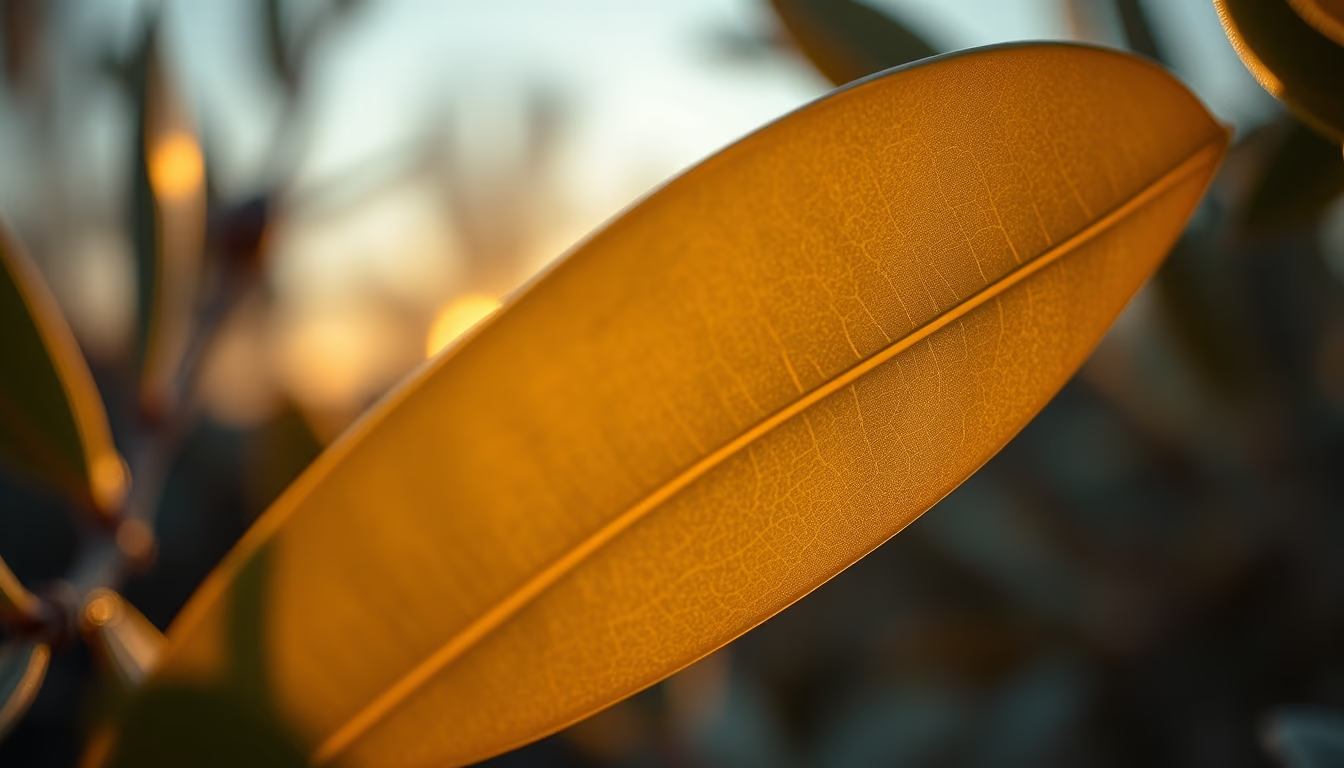
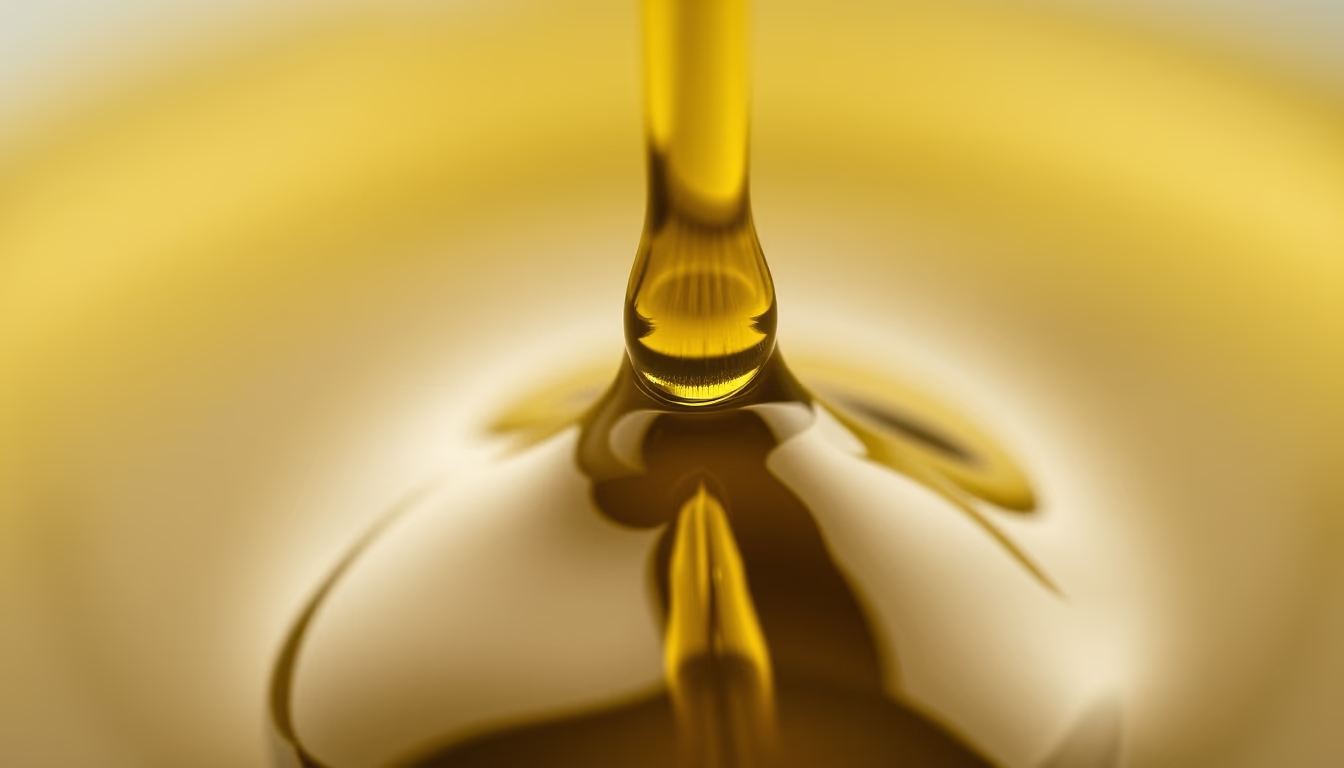
Olive leaf macro detail
1344×768 · AVIF · CC BY 4.0
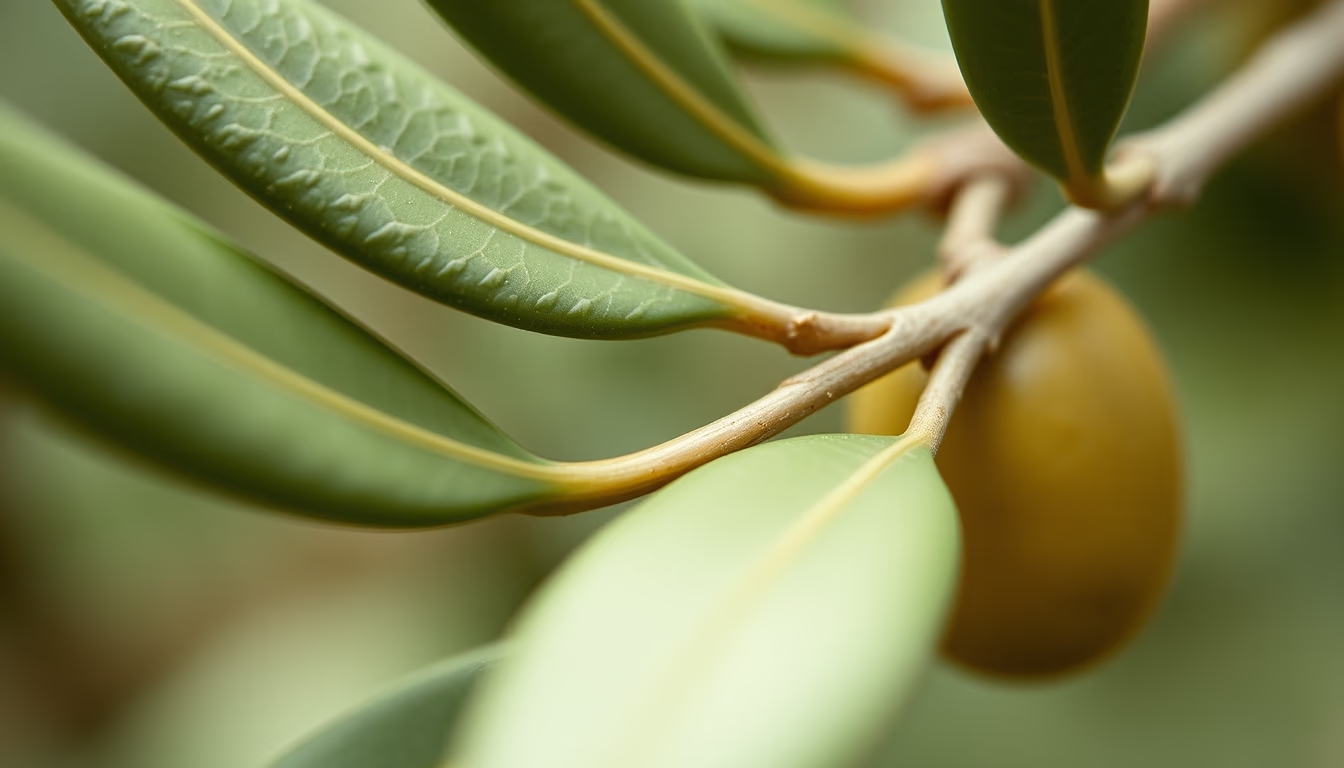
Microscopic details of olive leaves reveal unique adaptations to the Mediterranean climate, with silvery scales and fibrous structure.
About this subject
The olive leaf (Olea europaea) is an evolutionary masterpiece. Its lanceolate shape and gray-green color are not merely aesthetic: the peltate scales on the underside, called trichomes, reflect sunlight and reduce water loss, a crucial adaptation for the dry Mediterranean summers. The thick cuticle and the arrangement of stomata (concentrated on the abaxial surface) minimize transpiration, allowing the tree to survive in poor soils with little rainfall.
Each leaf lives about two to three years, performing photosynthesis even under water stress. The mesophyll, or inner tissue, is rich in polyphenols such as oleuropein, which gives the leaf its bitter taste and antioxidant properties. These same polyphenols protect the plant against pathogens and herbivores, and are also responsible for the health benefits attributed to olive oil.
Culturally, the olive leaf has symbolized peace and wisdom since ancient times. In classical Greece, wreaths of olive leaves were awarded to Olympic winners. Today, the leaves are used for teas and medicinal extracts, especially in the Mediterranean region, where the olive tree has been cultivated for millennia. Studies suggest that olive leaf extracts may help control blood pressure and boost the immune system.
From an agronomic perspective, leaf health is a direct indicator of the olive tree's vitality. Pests like the olive fruit fly and fungal diseases such as peacock spot first appear on leaves. Thus, leaf monitoring is essential in modern olive cultivation. The texture and color of leaves also influence oil quality, as healthy leaves produce fruits with higher concentrations of phenolic compounds.
Frequently Asked Questions
Why do olive leaves have a silvery appearance?
The leaves have peltate scales (trichomes) on the underside that reflect sunlight, giving them a grayish, silvery hue. This adaptation reduces water loss and protects against intense heat in the Mediterranean climate.
What are the medicinal uses of olive leaves?
Extracts and teas from olive leaves are rich in oleuropein, a polyphenol with antioxidant, anti-inflammatory, and hypotensive properties. Studies suggest benefits in controlling blood pressure and preventing cardiovascular diseases.
How do olive leaves influence olive oil quality?
Healthy leaves indicate a well-nourished tree, resulting in fruits with higher polyphenol and fatty acid content. Leaf color and texture also help diagnose nutrient deficiencies and water stress, factors that directly impact oil quality.
Direct URL
https://pub-c7d6a6ea828543ac903a74a341ccb2e1.r2.dev/imagens/olive-leaf-macro-detail-film-grain-authentic-p4.avifHow to credit
Include a visible link back to UtilizAí. Copy one of the snippets below:
<a href="https://xn--utiliza-eza.com/en/midia/imagens/olive-leaf-macro-detail-film-grain-authentic-p4">Olive leaf macro detail</a> by <a href="https://xn--utiliza-eza.com">UtilizAí</a>, licensed under <a href="https://creativecommons.org/licenses/by/4.0/">CC BY 4.0</a>.
[Olive leaf macro detail](https://xn--utiliza-eza.com/en/midia/imagens/olive-leaf-macro-detail-film-grain-authentic-p4) by [UtilizAí](https://xn--utiliza-eza.com), CC BY 4.0
License: CC-BY-4.0