Olive harvest baskets
1344×768 · AVIF · CC BY 4.0
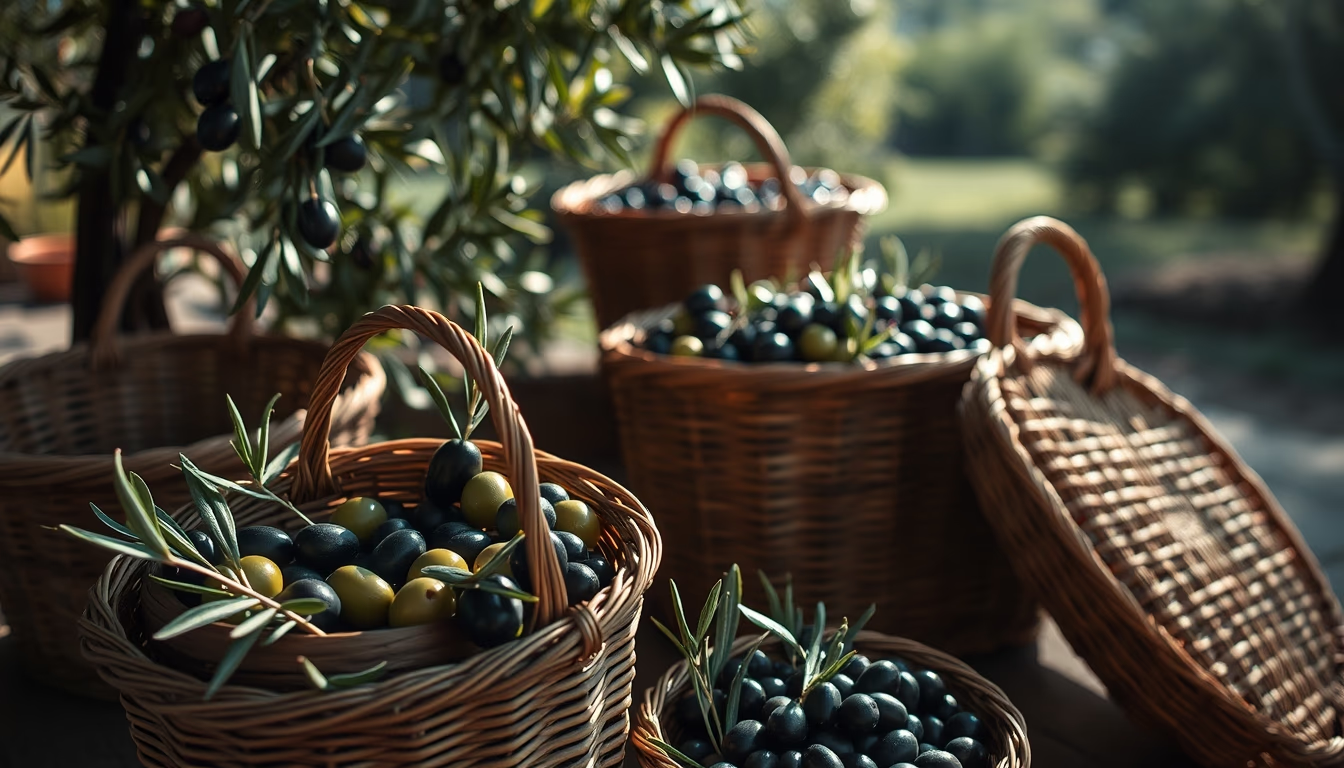
Olive harvest baskets, traditional tools used in Mediterranean olive cultivation, carry centuries of history and technique.
About this subject
Olive harvest baskets are central to olive cultivation, especially in the Mediterranean basin, where 95% of the world's olive oil production is concentrated. Traditionally made from wicker, straw, or intertwined olive branches, these baskets vary in shape and size by region. In Greece, for example, low and wide baskets called "kalathia" make it easy to collect fallen fruits by hand. In Tuscany, "cesti" are deeper and have handles for transport.
The harvesting process directly affects olive oil quality. Hand-harvested olives into baskets avoid bruising and early fermentation, preserving polyphenols. In Portugal, basket picking is common in Alentejo, where varieties like Galega and Cobrançosa are harvested from August to November. An experienced picker can collect up to 50 kg per day using only baskets and hand rakes.
Historically, olive baskets were so valued that they appear in Roman mosaics and Minoan frescoes. On Crete, excavations at Knossos uncovered 3,500-year-old baskets with olive residues. UNESCO recognizes traditional olive cultivation as intangible cultural heritage in several countries, highlighting the role of baskets in sustainability and biodiversity of olive groves.
Nowadays, although mechanical shakers are replacing manual harvesting, small producers and premium olive oils still rely on baskets. They allow selecting fruits at the perfect ripeness, essential for extra virgin olive oils. Additionally, artisan baskets are sold as souvenirs in producing regions, keeping the craft of basketry alive.
Frequently Asked Questions
Why are baskets important for olive oil quality?
Baskets prevent olives from bruising or fermenting prematurely, preserving polyphenols and fatty acids essential for high-quality extra virgin olive oil.
What materials are olive harvest baskets made from?
Traditionally from wicker, straw, olive branches, or reeds. Each region uses local materials, such as chestnut in Tuscany or boxwood in Greece.
Is manual basket harvesting still used today?
Yes, especially in organic and premium olive oil production, where careful fruit selection is crucial. In some regions, the technique is protected as cultural heritage.
Direct URL
https://pub-c7d6a6ea828543ac903a74a341ccb2e1.r2.dev/imagens/olive-harvest-baskets-fine-art-photography-p0.avifHow to credit
Include a visible link back to UtilizAí. Copy one of the snippets below:
<a href="https://xn--utiliza-eza.com/en/midia/imagens/olive-harvest-baskets-fine-art-photography-p0">Olive harvest baskets</a> by <a href="https://xn--utiliza-eza.com">UtilizAí</a>, licensed under <a href="https://creativecommons.org/licenses/by/4.0/">CC BY 4.0</a>.
[Olive harvest baskets](https://xn--utiliza-eza.com/en/midia/imagens/olive-harvest-baskets-fine-art-photography-p0) by [UtilizAí](https://xn--utiliza-eza.com), CC BY 4.0
License: CC-BY-4.0