Olive grove tuscany hillside
1344×768 · AVIF · CC BY 4.0
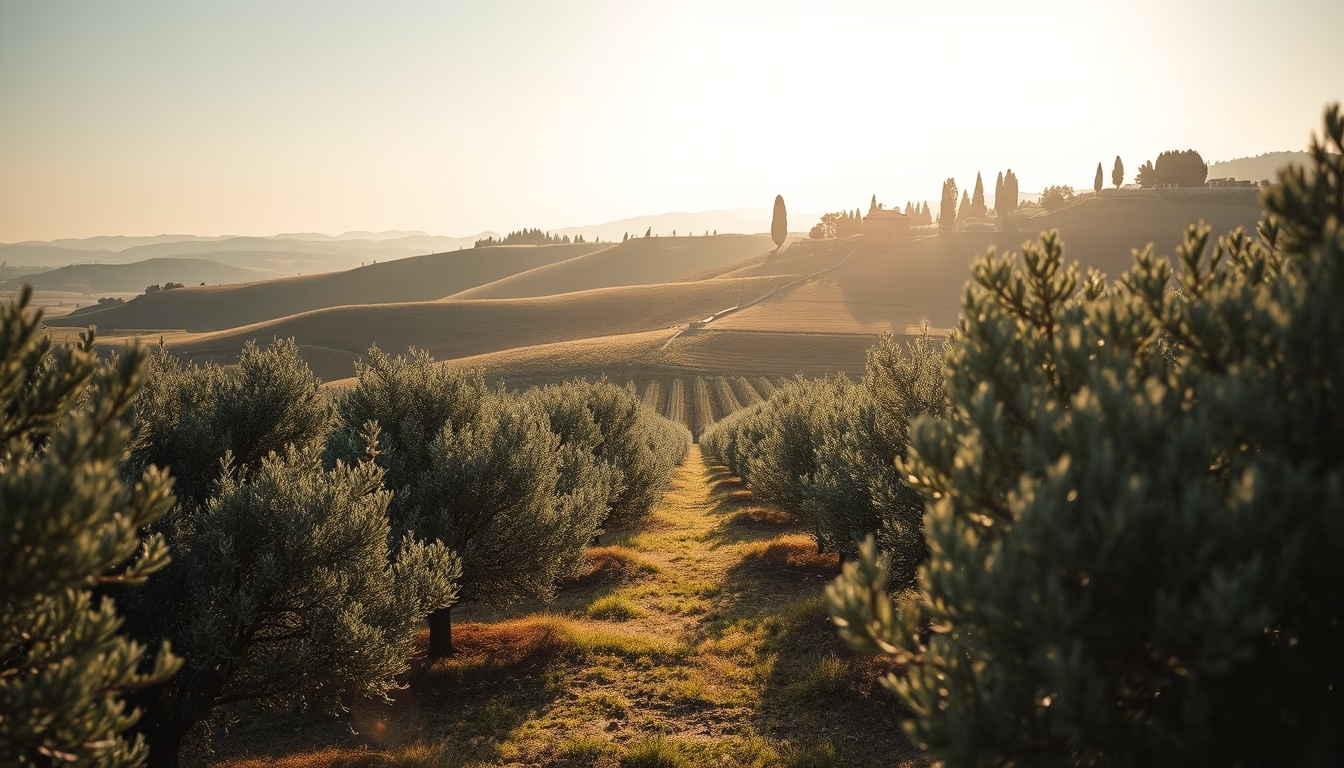
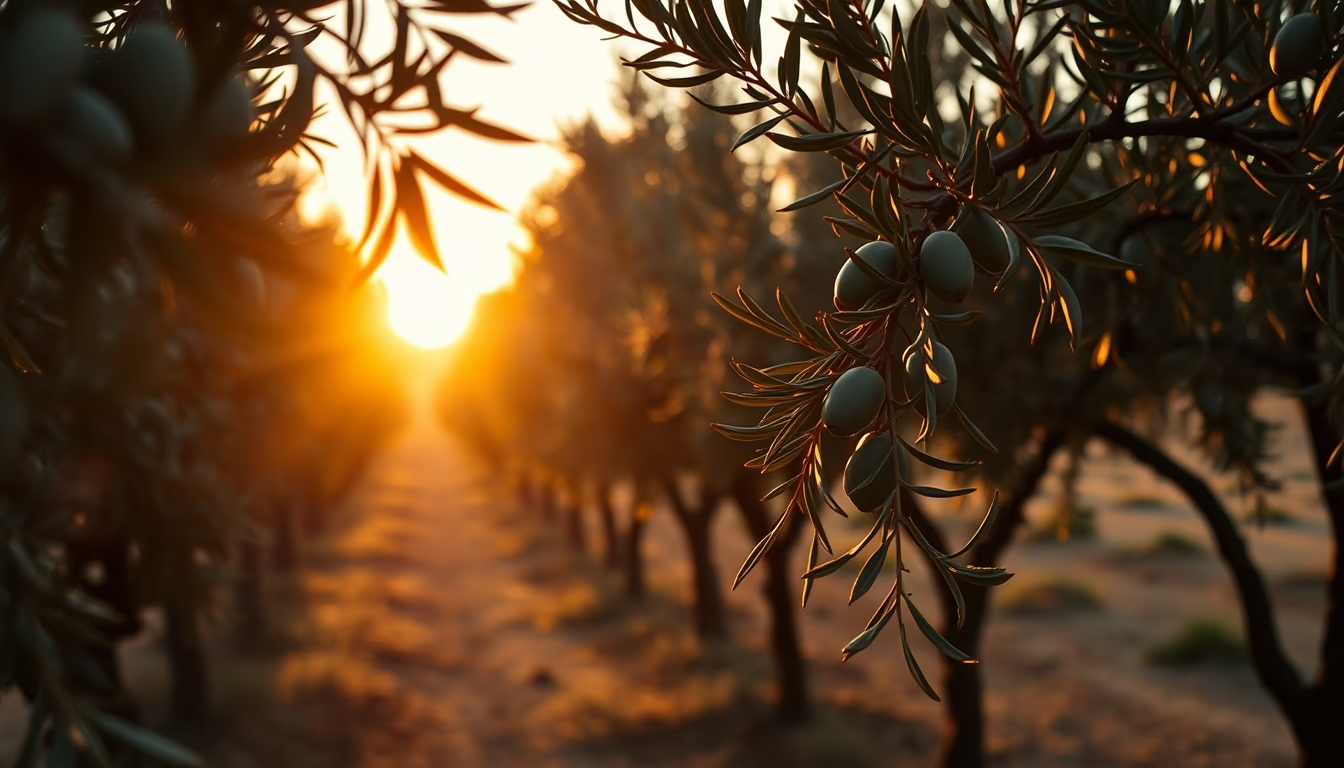
Olive trees on a Tuscan hillside: a symbol of the landscape and agricultural tradition of central Italy, renowned for extra virgin olive oil production.
About this subject
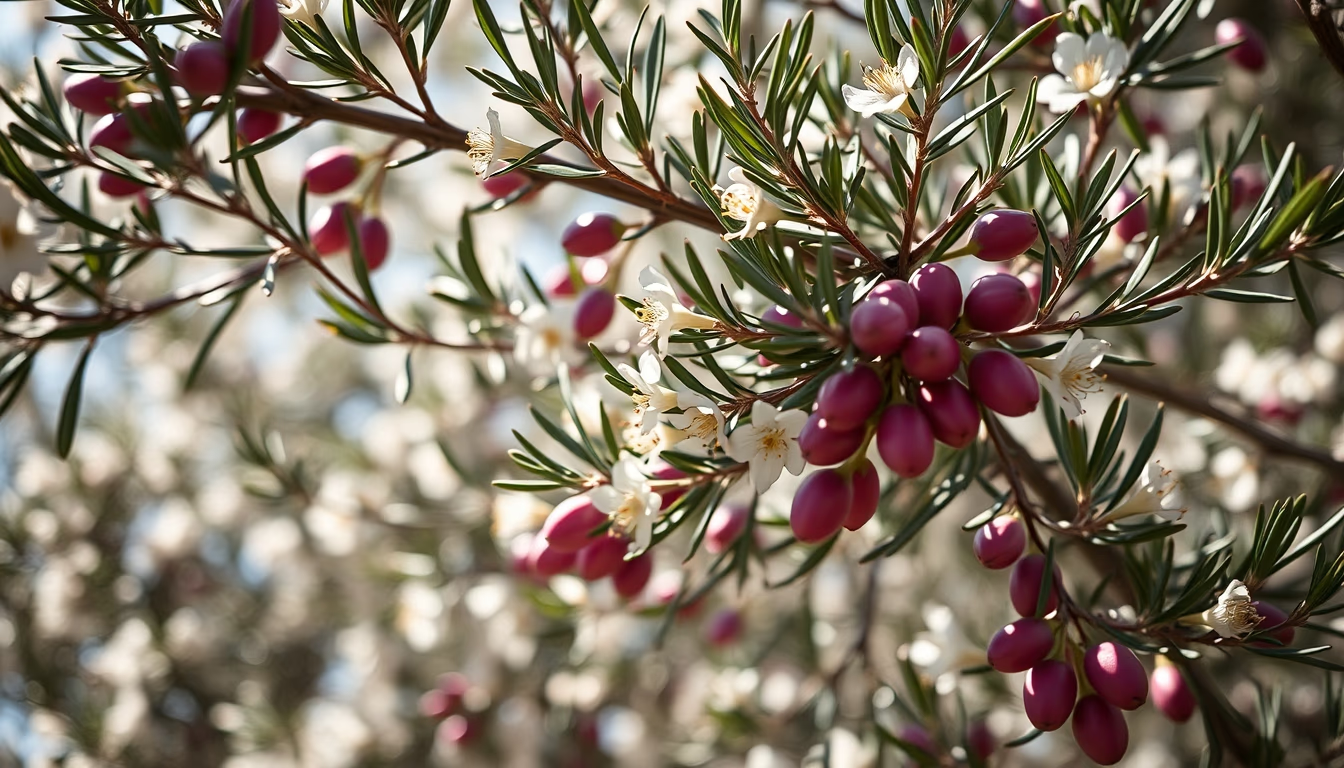
Olive groves are a hallmark of the Tuscan landscape, covering gentle hills across provinces like Siena, Florence, and Arezzo. The olive tree (Olea europaea) has been cultivated in the region for millennia, with records dating back to Etruscan times. The Mediterranean climate, with mild winters and dry summers, combined with moderate altitude, provides ideal conditions for high-quality olive development.
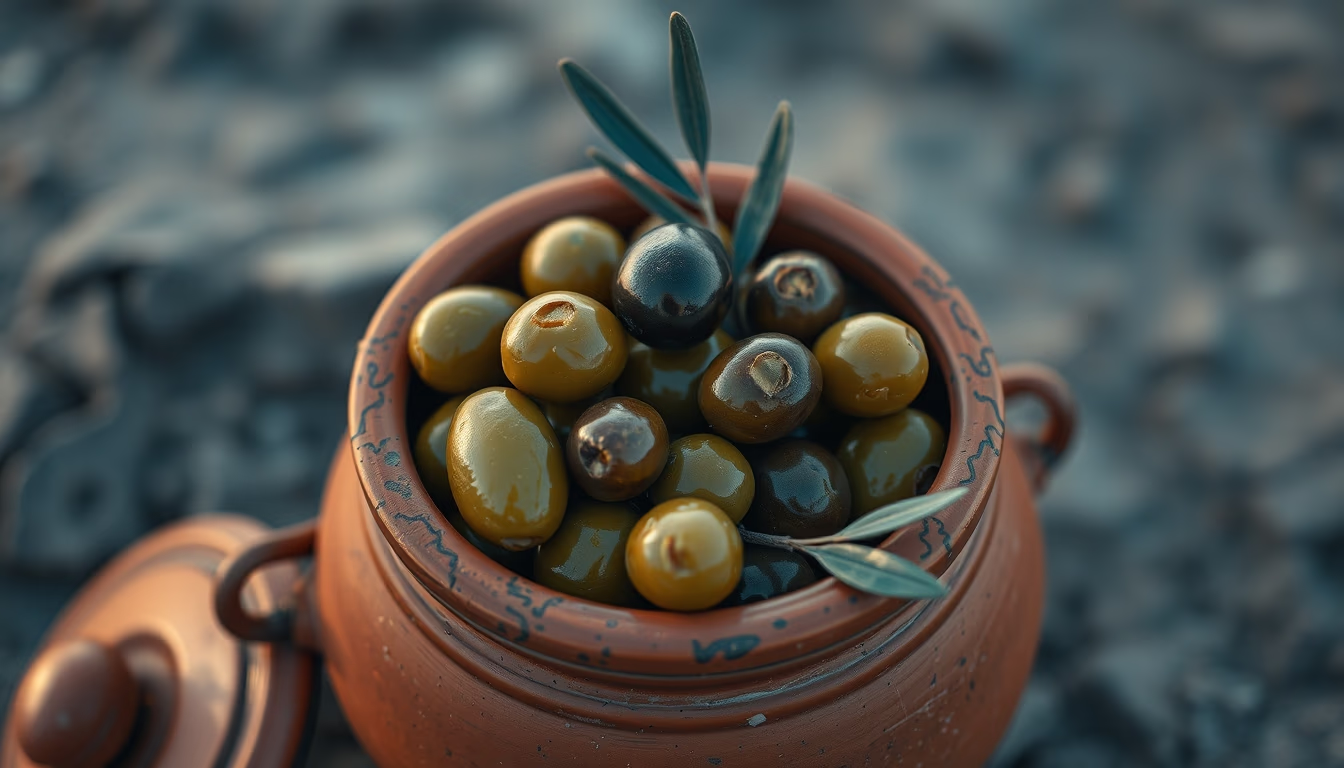
Tuscany produces about 3% of Italy's olive oil, but its reputation is disproportionately high due to protected designations of origin (DOP) such as Chianti Classico and Toscano IGP. Common local varieties include Frantoio, Leccino, and Moraiolo, yielding a fruity oil with almond and herb notes. Harvesting is traditionally done by hand from October to December to preserve olive integrity.
Beyond gastronomic value, Tuscan olive groves play a crucial ecological role, preventing soil erosion on slopes. Many farms adopt organic and sustainable practices, integrating centuries-old trees with modern techniques. The terraced olive grove landscape, often photographed, reflects centuries of harmonious human intervention with nature.
Fact: some olive trees in Tuscany are over a thousand years old, such as those in Florence's Boboli Gardens. Tuscan olive oil has been legally protected since 1998, with strict production rules. Visiting an olive grove during harvest is a common agritourism experience, offering tastings of freshly pressed oils and traditional dishes like ribollita.
Frequently Asked Questions
What is the best time to visit Tuscan olive groves?
The olive harvest takes place from October to December, the ideal period to see grove activity and taste new oil. Spring (April to June) is also beautiful, with flowering.
What makes Tuscan DOP olive oil special?
The DOP (Protected Designation of Origin) label guarantees the oil was produced, processed, and bottled in the region, following strict quality standards and using local varieties like Frantoio and Leccino.
Are Tuscan olive trees centuries old?
Yes, many olive trees in Tuscany are over a hundred years old. There are millennial specimens, such as those in Florence's Boboli Gardens, protected as historical heritage.
Direct URL
https://pub-c7d6a6ea828543ac903a74a341ccb2e1.r2.dev/imagens/olive-grove-tuscany-hillside-fine-art-photography-p5.avifHow to credit
Include a visible link back to UtilizAí. Copy one of the snippets below:
<a href="https://xn--utiliza-eza.com/en/midia/imagens/olive-grove-tuscany-hillside-fine-art-photography-p5">Olive grove tuscany hillside</a> by <a href="https://xn--utiliza-eza.com">UtilizAí</a>, licensed under <a href="https://creativecommons.org/licenses/by/4.0/">CC BY 4.0</a>.
[Olive grove tuscany hillside](https://xn--utiliza-eza.com/en/midia/imagens/olive-grove-tuscany-hillside-fine-art-photography-p5) by [UtilizAí](https://xn--utiliza-eza.com), CC BY 4.0
License: CC-BY-4.0