Olive grove tuscany hillside
1344×768 · AVIF · CC BY 4.0
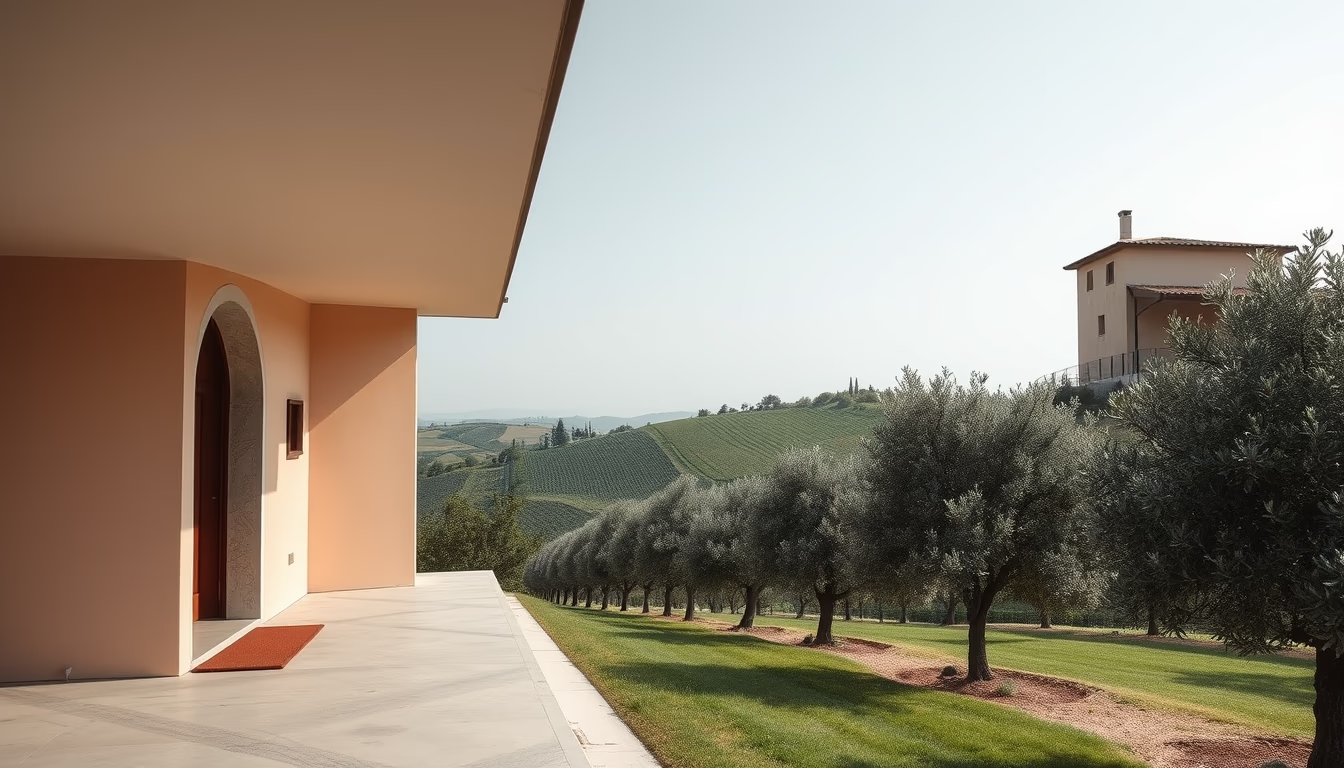
Tuscan hillside olive grove with ancient trees and rocky soil, showcasing the millennia-old tradition of olive oil cultivation in the region.
About this subject
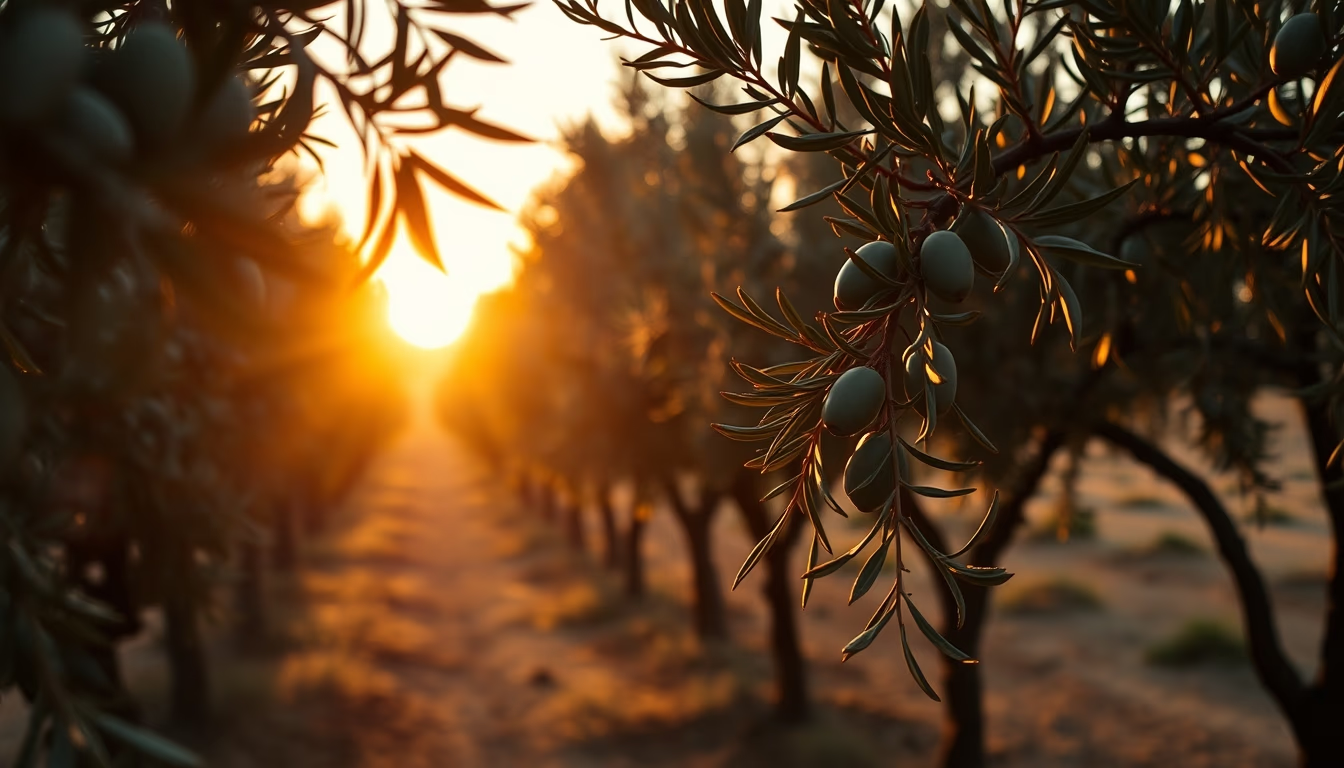
Hillside olive groves are a hallmark of the Tuscan landscape, especially in the hills around Florence, Siena, and Arezzo. Olive cultivation in Tuscany dates back to Etruscan times, but it was during the Roman Empire that pruning and oil extraction techniques were refined. The most common varieties in the region are Frantoio, Leccino, and Moraiolo, each adapted to the clay-rich soil and Mediterranean climate with mild winters and dry summers.
The hillside planting system is not merely aesthetic; it promotes natural drainage and sun exposure, essential for olive ripening. Many Tuscan groves are traditionally cultivated, with trees arranged on terraces and pruned by hand. Harvesting occurs between October and December, and the extra virgin olive oil produced, with acidity below 0.8%, is protected by designations of origin such as DOP Toscano and IGP Toscano.
The economic and cultural importance of olive oil in Tuscany is immense. The oil is a staple of the Mediterranean diet and appears in typical dishes like ribollita and panzanella. Olive farming also supports rural tourism: visitors travel along wine and olive roads known as Strada del Vino e dell'Olio. Events like the Festa dell'Olio Nuovo in November celebrate the harvest with tastings and picking demonstrations.
The landscape of hillside olive groves, with their twisted trunks and silvery leaves, inspired artists such as Leonardo da Vinci and Renaissance painters. Today, it symbolizes Tuscan identity and serves as an example of sustainable agriculture, as olive trees prevent soil erosion and maintain local biodiversity.
Frequently Asked Questions
When is the best time to visit the olive groves of Tuscany?
The best time is between October and December, during the olive harvest and new oil production. Many farms offer guided tours and tastings. Autumn also brings mild weather and colorful landscapes.
How is olive oil extracted in Tuscany?
After manual or mechanical harvesting, olives are washed and crushed into a paste using stone or metal mills. The paste is then centrifuged to separate the oil from water and solids. The process is done cold, below 27°C, to preserve flavors and nutrients.
What are the main olive varieties grown in Tuscany?
The main varieties are Frantoio, Leccino, and Moraiolo. Frantoio yields a fruity, slightly bitter oil; Leccino is milder and sweeter; Moraiolo produces oil with artichoke notes and balanced pungency.
Direct URL
https://pub-c7d6a6ea828543ac903a74a341ccb2e1.r2.dev/imagens/olive-grove-tuscany-hillside-architectural-photography-p11.avifHow to credit
Include a visible link back to UtilizAí. Copy one of the snippets below:
<a href="https://xn--utiliza-eza.com/en/midia/imagens/olive-grove-tuscany-hillside-architectural-photography-p11">Olive grove tuscany hillside</a> by <a href="https://xn--utiliza-eza.com">UtilizAí</a>, licensed under <a href="https://creativecommons.org/licenses/by/4.0/">CC BY 4.0</a>.
[Olive grove tuscany hillside](https://xn--utiliza-eza.com/en/midia/imagens/olive-grove-tuscany-hillside-architectural-photography-p11) by [UtilizAí](https://xn--utiliza-eza.com), CC BY 4.0
License: CC-BY-4.0