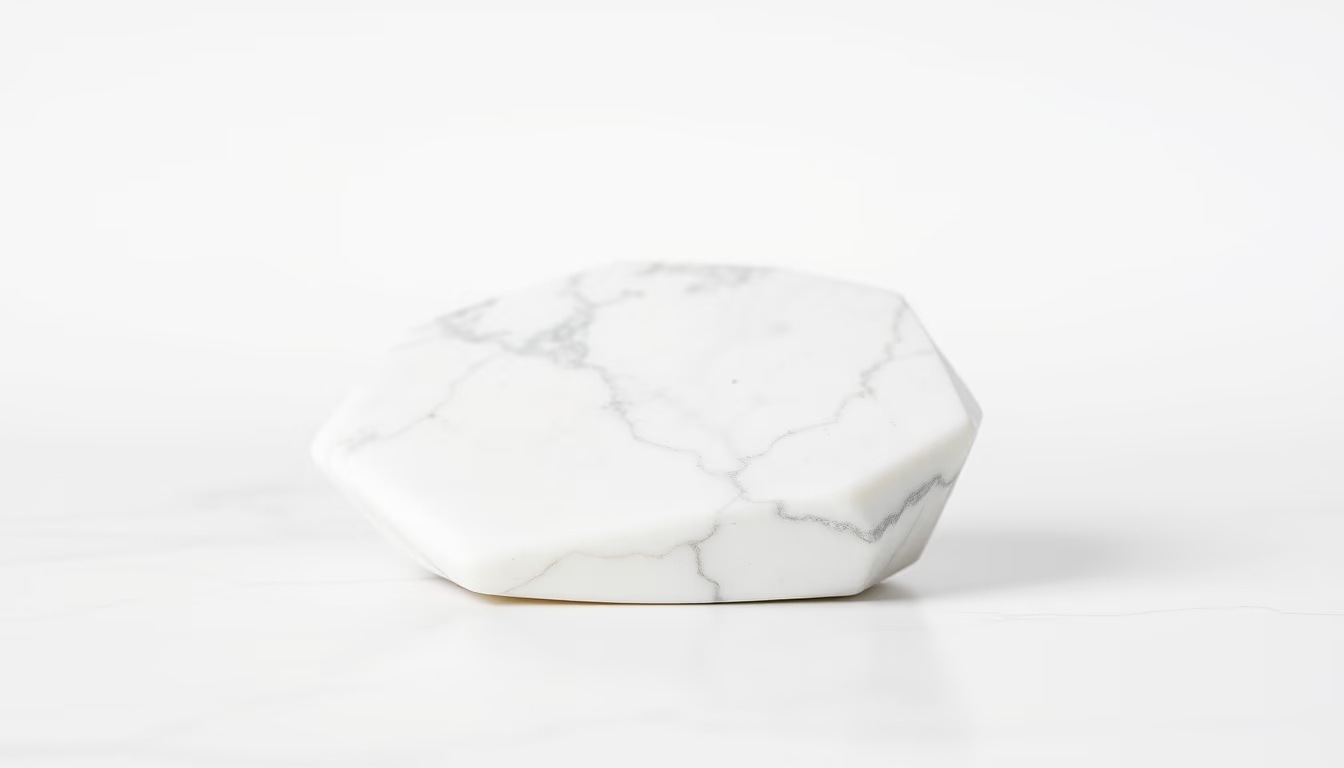
Noise grain abstract
1344×768 · AVIF · CC BY 4.0

Abstract noise grain transforms architectural textures into visual compositions that explore randomness and digital aesthetics.
About this subject
Noise grain, originally an unwanted artifact in analog and digital photography, has become an aesthetic element in its own right. In abstraction, it evokes the texture of architectural surfaces such as concrete, metal, and glass, bridging the organic and the built. The Noise Grain Abstract movement gained traction among photographers who seek to represent imperfection as a form of expression, especially in compositions highlighting repetitive or chaotic patterns of facades and interiors. Historically, grain was celebrated by street photographers and documentarians like Garry Winogrand, who used high-speed films to capture urban energy. Today, digital tools allow simulating or exaggerating this effect, resulting in images that dialogue with pixel art and glitch aesthetics. In architecture, grain suggests the rough texture of exposed concrete, the oxidation of metal, or the fragmented reflections of glass. This approach is common in essays on Brutalism and industrial architecture, where raw material and its imperfections take center stage. Abstract noise also appears in works by contemporary artists like Thomas Ruff, who explores the pixelation of facades to question visual perception. By 2025, the Trending 2026 movement points to the appreciation of the imperfect and the random, contrasting with excessive digital cleanliness. Thus, grain is not merely an effect; it is a statement about materiality and the passage of time in urban structures.
Frequently Asked Questions
What is noise grain in abstract photography?
It is the intentional use of grain or digital noise as an aesthetic element, creating textures reminiscent of architectural or natural surfaces.
How does noise grain relate to architecture?
Grain mimics rough textures like exposed concrete, corroded metal, or frosted glass, often used in essays on Brutalism and industrial architecture.
Why is noise grain trending in 2026?
The trend values the imperfect and random as a reaction to clean digital aesthetics, highlighting materiality and the passage of time in constructions.
Direct URL
https://pub-c7d6a6ea828543ac903a74a341ccb2e1.r2.dev/imagens/noise-grain-abstract-architectural-photography-p5.avifHow to credit
Include a visible link back to UtilizAí. Copy one of the snippets below:
<a href="https://xn--utiliza-eza.com/en/midia/imagens/noise-grain-abstract-architectural-photography-p5">Noise grain abstract</a> by <a href="https://xn--utiliza-eza.com">UtilizAí</a>, licensed under <a href="https://creativecommons.org/licenses/by/4.0/">CC BY 4.0</a>.
[Noise grain abstract](https://xn--utiliza-eza.com/en/midia/imagens/noise-grain-abstract-architectural-photography-p5) by [UtilizAí](https://xn--utiliza-eza.com), CC BY 4.0
License: CC-BY-4.0