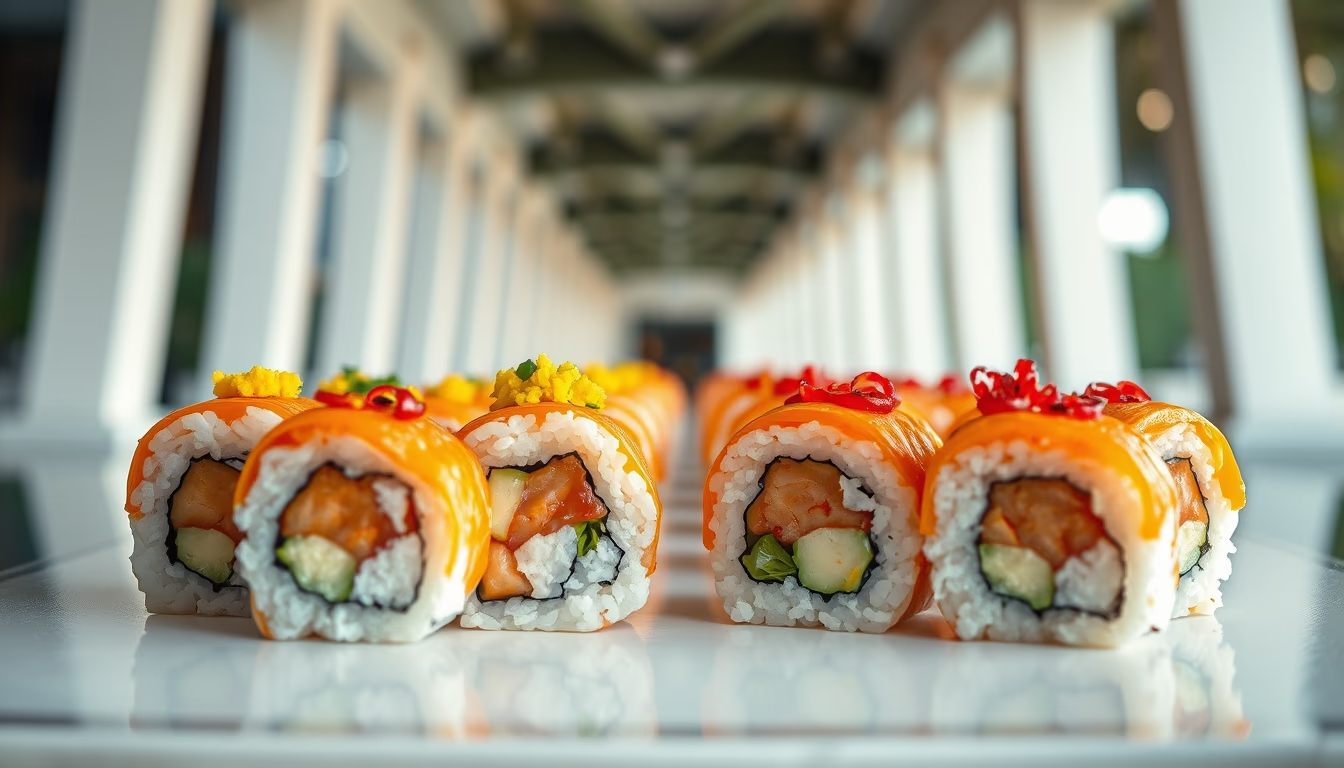
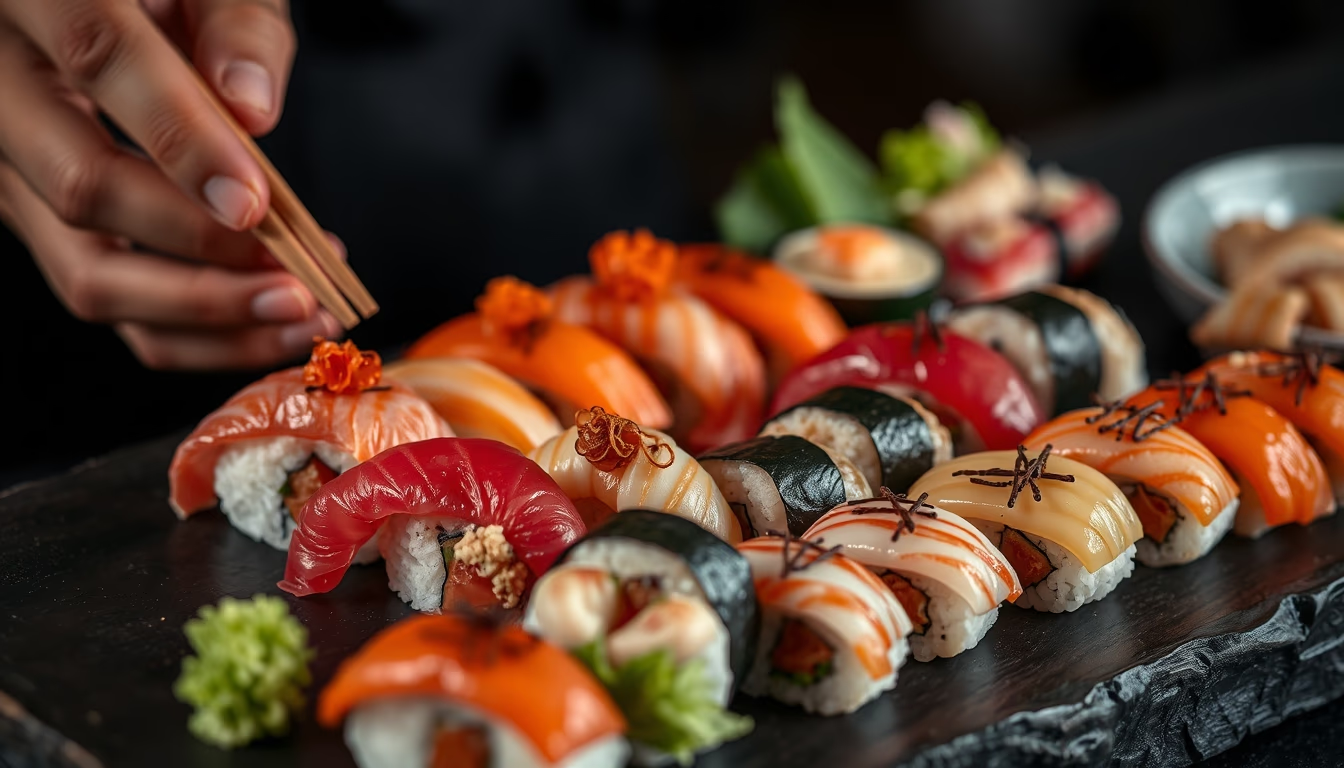
Nigiri assortment platter
1344×768 · AVIF · CC BY 4.0
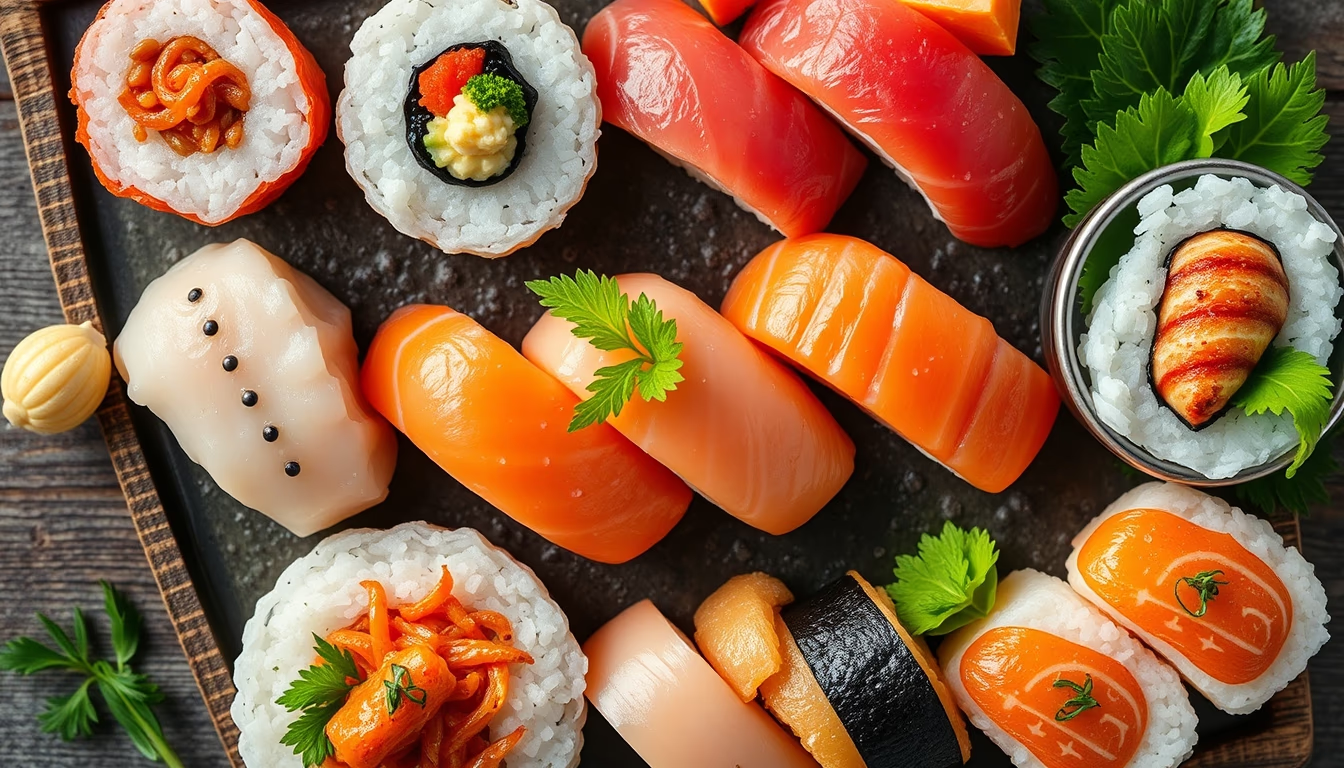
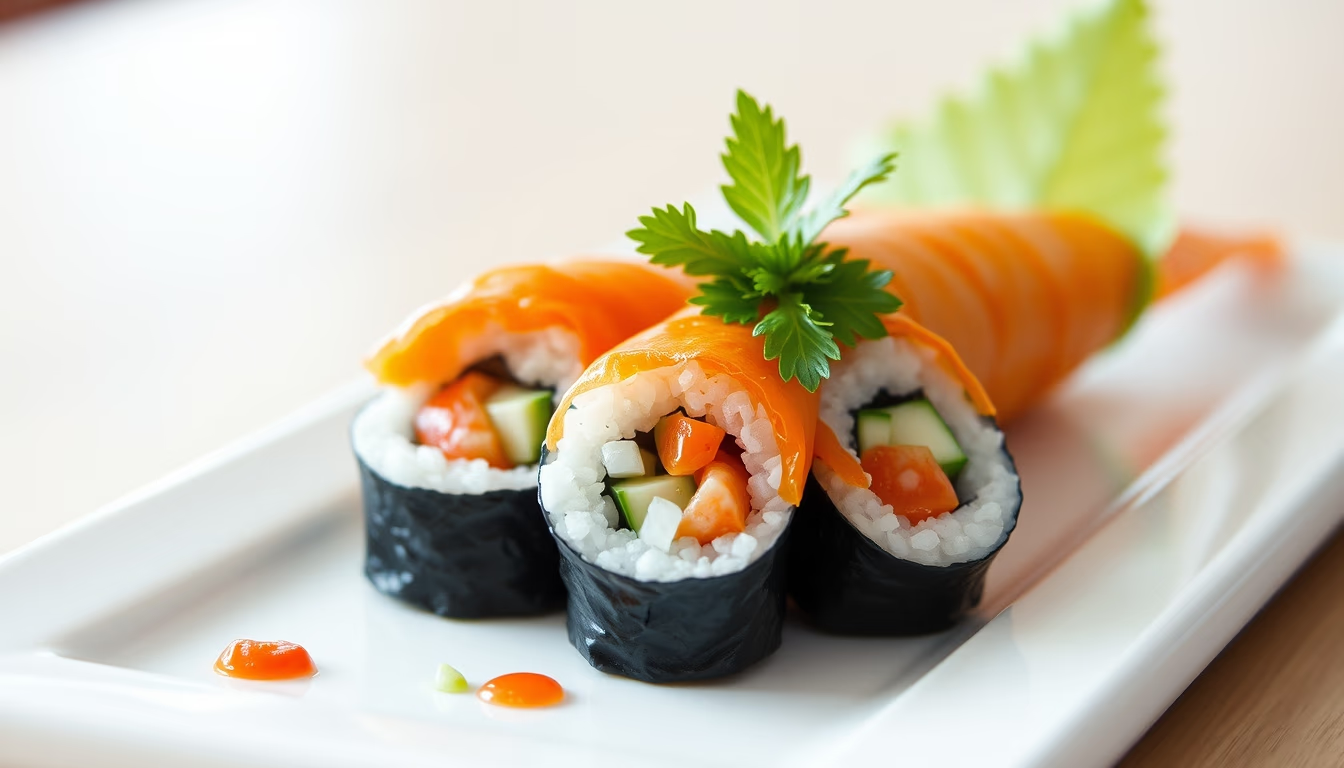
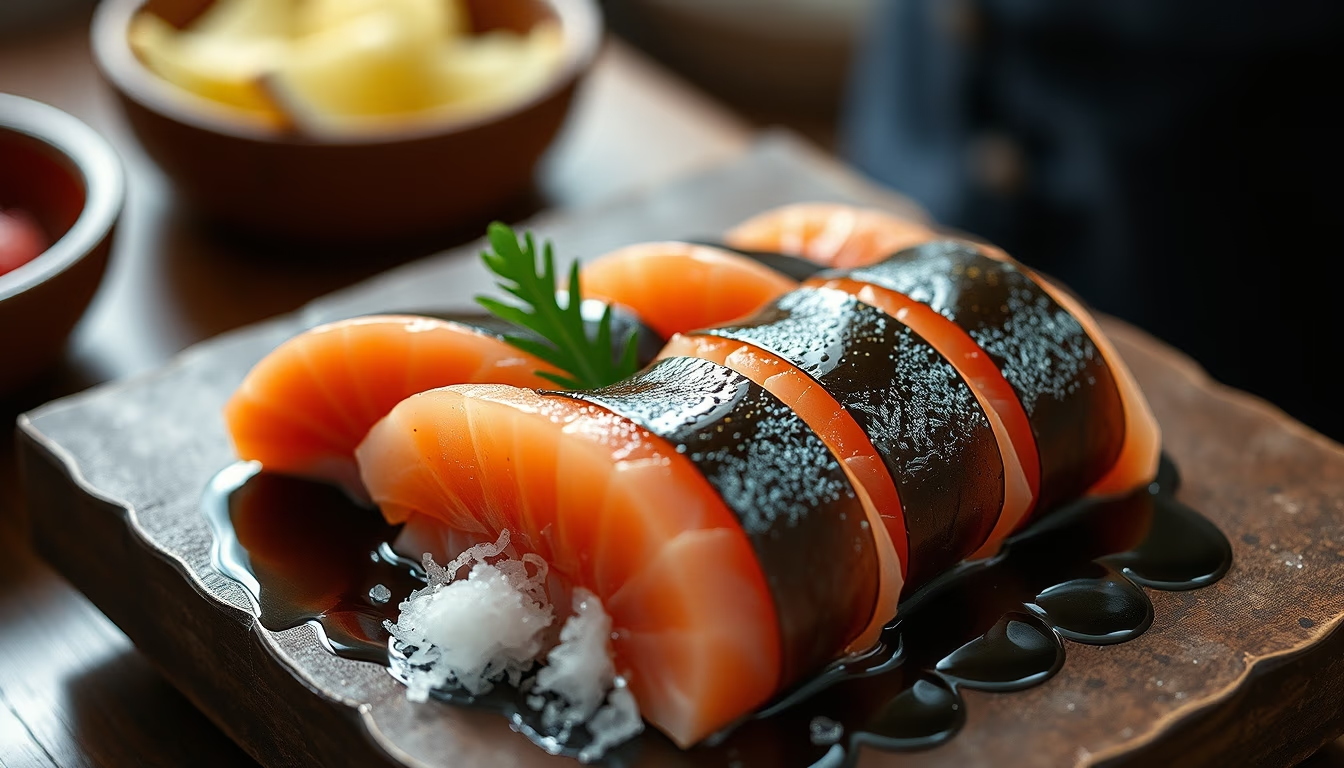
Nigiri is a classic form of sushi combining a seasoned rice base with slices of raw fish or other toppings, delivering a balanced culinary experience.
About this subject
Nigiri is one of the most iconic forms of Japanese sushi, consisting of a small hand-pressed ball of vinegared rice topped with a slice of raw fish or other seafood. Its origins trace back to the Edo period (19th century) in Tokyo, where it emerged as a fast-food option for laborers. Unlike maki (rolled sushi), nigiri emphasizes the quality of both fish and rice, which is seasoned with rice vinegar, sugar, and salt. Common varieties include salmon (sake), tuna (maguro), shrimp (ebi), octopus (tako), and eel (unagi), as well as options with roe, sea urchin, or sweet omelet (tamago).
Preparation requires skill and precision. The sushi chef (itamae) moistens hands with vinegar to prevent sticking, shapes rice portions into oval forms, and applies a thin layer of wasabi between rice and fish. The fish slice must be cut against the grain (sogi-giri) for a tender texture. The rice's seasoning is crucial: vinegar acidity balances fish fat, while salt enhances flavor. In Japan, nigiri is traditionally eaten with hands, dipping the fish side, not the rice, into soy sauce (shoyu).
Culturally, nigiri embodies the essence of Japanese cuisine: simplicity, freshness, and respect for ingredients. In 2023, washoku (traditional Japanese cuisine) was recognized by UNESCO as Intangible Cultural Heritage, and nigiri is a key part of that tradition. Today, it is a global icon, found in restaurants worldwide, from traditional Tokyo establishments to fusion versions in Brazil featuring cream cheese or mango. A notable record: the largest variety of nigiri served was set in Japan in 2018, with 100 different types.
Regarding consumption, nigiri is best enjoyed fresh, as rice loses texture after a few hours. Specialized restaurants often serve nigiri in pairs (two pieces) on wooden boards (hashira) or plates with pickled ginger (gari) and wasabi. Traditional pairings include sake or green tea, but dry white wines or sparkling wines also complement well. In Brazil, nigiri is hugely popular in all-you-can-eat rodízios, where sushis are made to order, ensuring an authentic experience.
Frequently Asked Questions
What is the difference between nigiri and sashimi?
Nigiri is a sushi piece combining vinegared rice with raw fish or other topping. Sashimi is simply sliced raw fish, served without rice.
What does the name 'nigiri' mean?
Nigiri comes from the Japanese verb nigiru, meaning 'to grasp' or 'to mold by hand', referring to the technique of shaping the rice.
How to eat nigiri correctly?
Traditionally, eat with hands. Dip the fish side into soy sauce, never the rice, to avoid breaking the piece.
Direct URL
https://pub-c7d6a6ea828543ac903a74a341ccb2e1.r2.dev/imagens/nigiri-assortment-platter-isometric-flat-lay-fresh3.avifHow to credit
Include a visible link back to UtilizAí. Copy one of the snippets below:
<a href="https://xn--utiliza-eza.com/en/midia/imagens/nigiri-assortment-platter-isometric-flat-lay-fresh3">Nigiri assortment platter</a> by <a href="https://xn--utiliza-eza.com">UtilizAí</a>, licensed under <a href="https://creativecommons.org/licenses/by/4.0/">CC BY 4.0</a>.
[Nigiri assortment platter](https://xn--utiliza-eza.com/en/midia/imagens/nigiri-assortment-platter-isometric-flat-lay-fresh3) by [UtilizAí](https://xn--utiliza-eza.com), CC BY 4.0
License: CC-BY-4.0