Mushroom farm dark
1344×768 · AVIF · CC BY 4.0
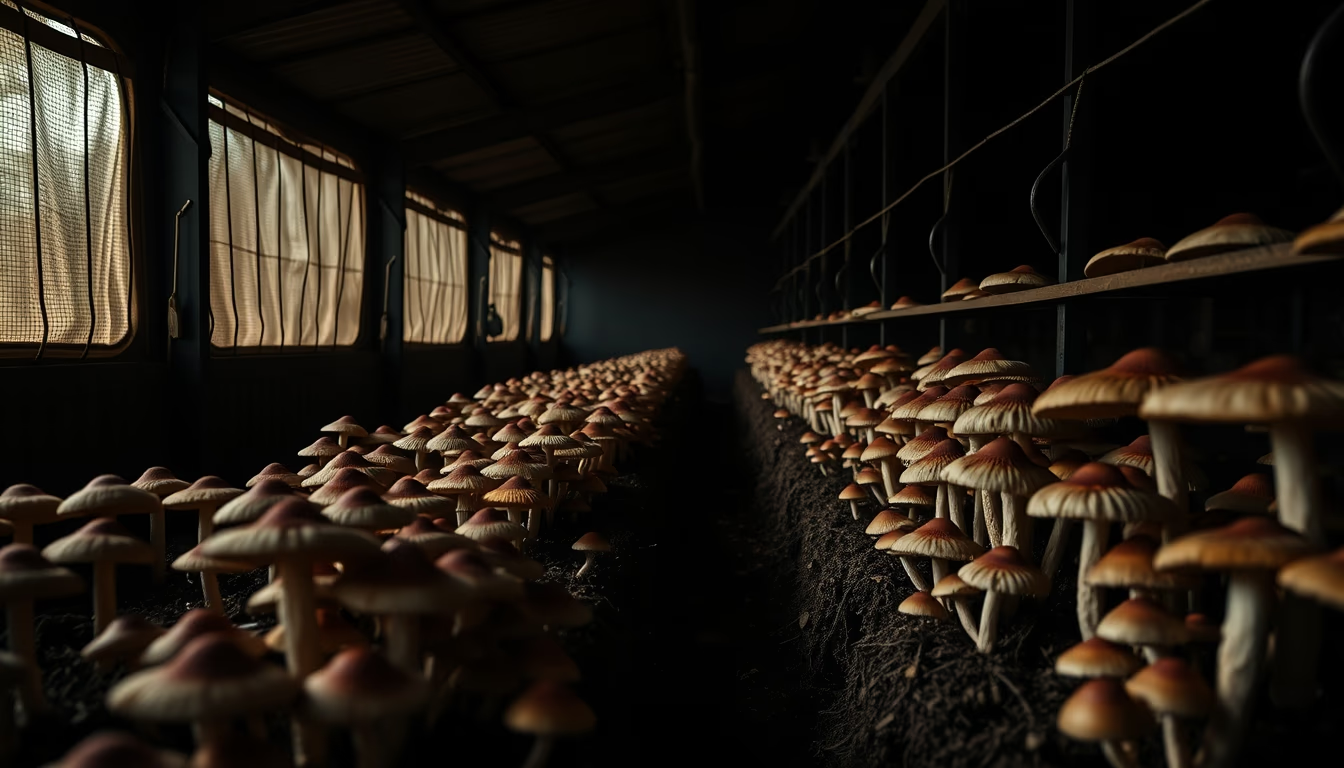
Mushroom cultivation in dark environments: techniques, species, and economic importance in global agribusiness.
About this subject
Mushroom cultivation in dark environments is an ancient practice that gained industrial scale in the 20th century. Unlike green plants, fungi do not perform photosynthesis and depend on organic substrates rich in cellulose, such as straw, sawdust, and manure. Darkness is essential for many species because light inhibits mycelial growth and impairs fruiting. Among the most cultivated mushrooms in dark chambers are white button (Agaricus bisporus), shiitake (Lentinula edodes), and oyster mushrooms (Pleurotus ostreatus). White button mushrooms alone account for about 30% of global mushroom production, according to the FAO. Brazil stands out in fresh mushroom production, with São Paulo state concentrating over 60% of national output. Dark growing rooms maintain controlled temperatures between 15°C and 20°C and relative humidity above 90%, mimicking the understory of temperate forests. The substrate is pasteurized to eliminate competitors and pathogens, and harvesting occurs in cycles of 3 to 5 weeks. Beyond nutritional value, mushrooms are sources of protein, fiber, and B vitamins, increasingly used as functional ingredients in gourmet cuisine. China is the largest global producer, with over 70% of world volume, followed by the United States and the Netherlands. Indoor cultivation technology allows year-round production independent of seasons, making the business attractive for small and medium growers. However, production requires strict hygiene and precise control of environmental parameters to avoid contamination by unwanted fungi or bacteria.
Frequently Asked Questions
Why do mushrooms need darkness to grow?
Most cultivated mushrooms do not photosynthesize, and light inhibits mycelial growth and fruiting body formation. Darkness helps maintain humidity and promotes proper development.
Which are the most commonly cultivated mushrooms in dark environments?
The main ones are white button (Agaricus bisporus), shiitake (Lentinula edodes), and oyster mushrooms (Pleurotus ostreatus). Button mushroom is the most consumed worldwide.
What is the economic importance of mushroom cultivation?
The global mushroom market is worth billions of dollars annually. Brazil is a major producer in Latin America, with São Paulo being the leading producing state.
Direct URL
https://pub-c7d6a6ea828543ac903a74a341ccb2e1.r2.dev/imagens/mushroom-farm-dark-minimalist-composition-p4.avifHow to credit
Include a visible link back to UtilizAí. Copy one of the snippets below:
<a href="https://xn--utiliza-eza.com/en/midia/imagens/mushroom-farm-dark-minimalist-composition-p4">Mushroom farm dark</a> by <a href="https://xn--utiliza-eza.com">UtilizAí</a>, licensed under <a href="https://creativecommons.org/licenses/by/4.0/">CC BY 4.0</a>.
[Mushroom farm dark](https://xn--utiliza-eza.com/en/midia/imagens/mushroom-farm-dark-minimalist-composition-p4) by [UtilizAí](https://xn--utiliza-eza.com), CC BY 4.0
License: CC-BY-4.0