Mummy sarcophagus egypt
1344×768 · AVIF · CC BY 4.0
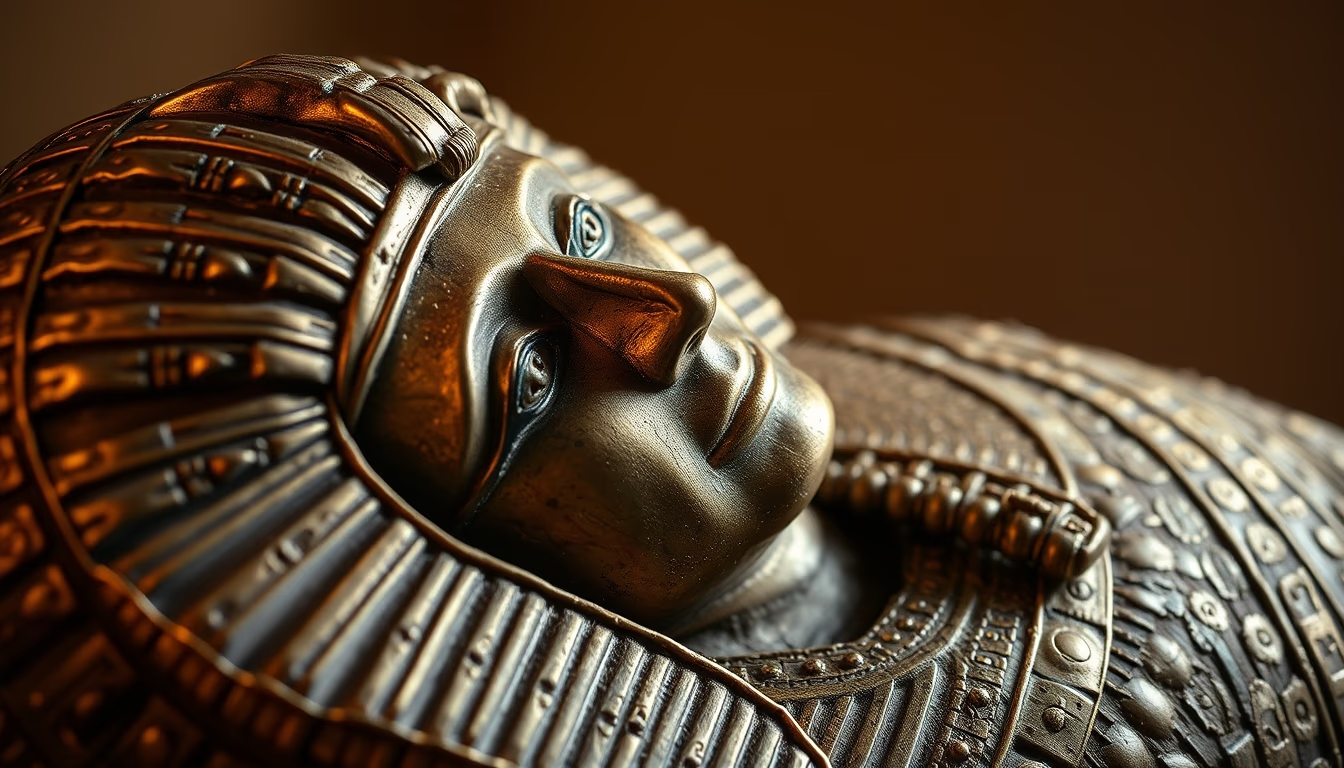
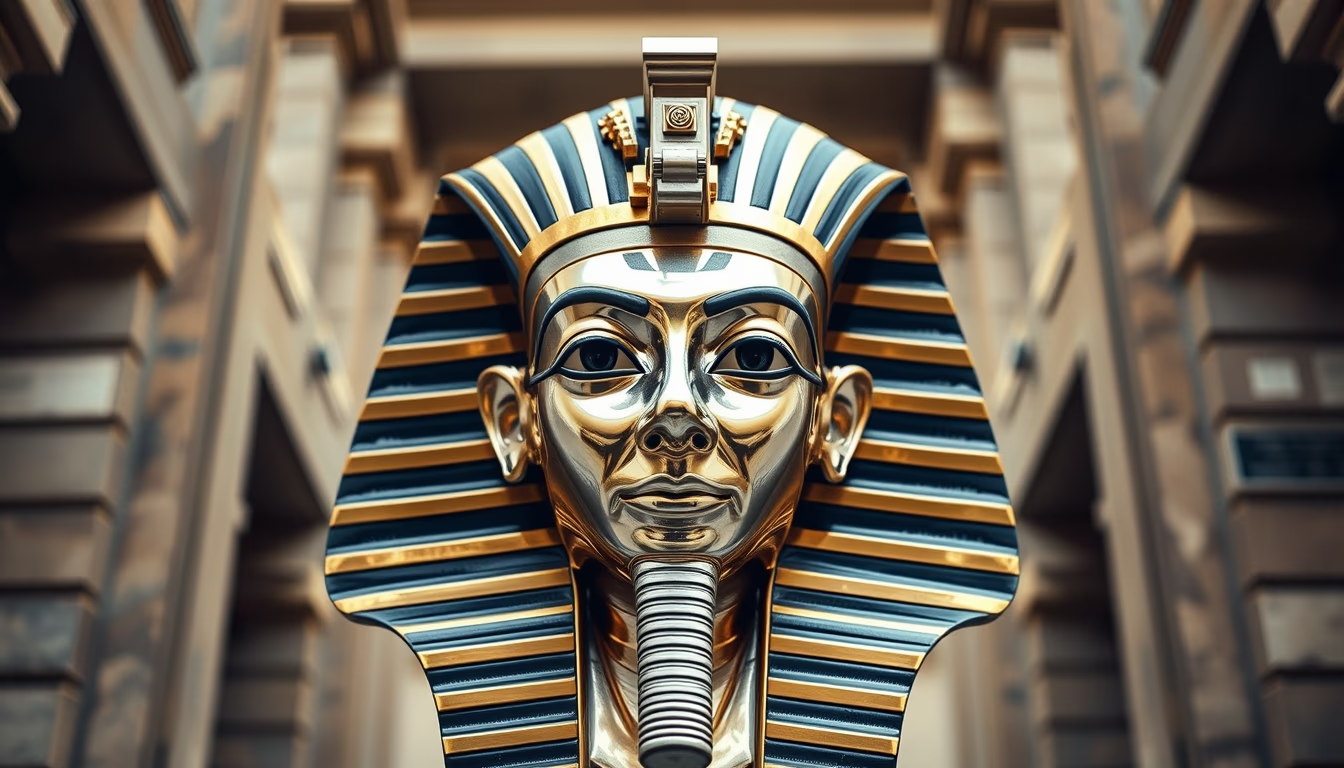
Egyptian sarcophagi, as depicted in this image, were elaborate containers designed to protect mummies of pharaohs and nobles in the afterlife.
About this subject
Egyptian sarcophagi are among the most iconic symbols of ancient Egyptian civilization, serving as outer containers for mummies of pharaohs, queens, and high officials. They evolved over millennia from simple wooden boxes to massive, richly decorated stone chests, such as the famous sarcophagus of Tutankhamun, made of quartzite and covered in gold. The word 'sarcophagus' comes from the Greek 'sarkophagos', meaning 'flesh-eater', a reference to the belief that certain stones consumed bodily tissues.
The decoration of sarcophagi was not merely aesthetic: every inscription and image held religious and magical significance. Texts like the 'Coffin Texts' and the 'Book of the Dead' were inscribed to assist the deceased in the journey through the underworld. Hieroglyphs often invoked gods such as Osiris, lord of the afterlife, and Anubis, guardian of tombs. Many sarcophagi had a human-shaped (anthropoid) lid, representing the idealized face of the deceased, as seen in examples from the New Kingdom.
Geographically, most sarcophagi have been found in the Valley of the Kings in Luxor, and in archaeological sites like Saqqara and Giza. The mummification process and construction of sarcophagi were extremely costly, accessible only to the elite. It is estimated that preparing a royal mummy could take 70 days and involve hundreds of artisans. Interestingly, not all sarcophagi were made for humans: there are examples for sacred animals, such as cats and crocodiles, mummified as offerings.
Technically, sarcophagi were sculpted from materials like granite, basalt, or sycamore wood. Artisans used copper drills and sand abrasives to create minute details. Many sarcophagi were looted in antiquity, but those that survived provide valuable insights into beliefs, social hierarchy, and Egyptian art. Today, they are displayed in museums such as the Cairo Museum, the Louvre, and the British Museum, attracting millions of visitors annually.
Frequently Asked Questions
What is the difference between a sarcophagus and a coffin?
In the Egyptian context, a sarcophagus is an outer container made of stone or wood that held the inner coffin (or casket) with the mummy. While the coffin was often anthropoid, the sarcophagus was larger and more decorated, serving as an extra layer of protection.
Why did Egyptians decorate sarcophagi with hieroglyphs?
Hieroglyphs had a magical-religious function: they ensured the protection of the deceased, contained spells for a safe passage through the underworld, and identified the owner. They served as a manual for the afterlife.
Where can I see original Egyptian sarcophagi?
Major collections are at the Egyptian Museum in Cairo, the Grand Egyptian Museum in Giza, the Louvre Museum in Paris, the British Museum in London, and the Museum of Fine Arts in Boston. Many are on permanent display.
Direct URL
https://pub-c7d6a6ea828543ac903a74a341ccb2e1.r2.dev/imagens/mummy-sarcophagus-egypt-studio-editorial-portrait-p10.avifHow to credit
Include a visible link back to UtilizAí. Copy one of the snippets below:
<a href="https://xn--utiliza-eza.com/en/midia/imagens/mummy-sarcophagus-egypt-studio-editorial-portrait-p10">Mummy sarcophagus egypt</a> by <a href="https://xn--utiliza-eza.com">UtilizAí</a>, licensed under <a href="https://creativecommons.org/licenses/by/4.0/">CC BY 4.0</a>.
[Mummy sarcophagus egypt](https://xn--utiliza-eza.com/en/midia/imagens/mummy-sarcophagus-egypt-studio-editorial-portrait-p10) by [UtilizAí](https://xn--utiliza-eza.com), CC BY 4.0
License: CC-BY-4.0