Mummy sarcophagus egypt
1344×768 · AVIF · CC BY 4.0
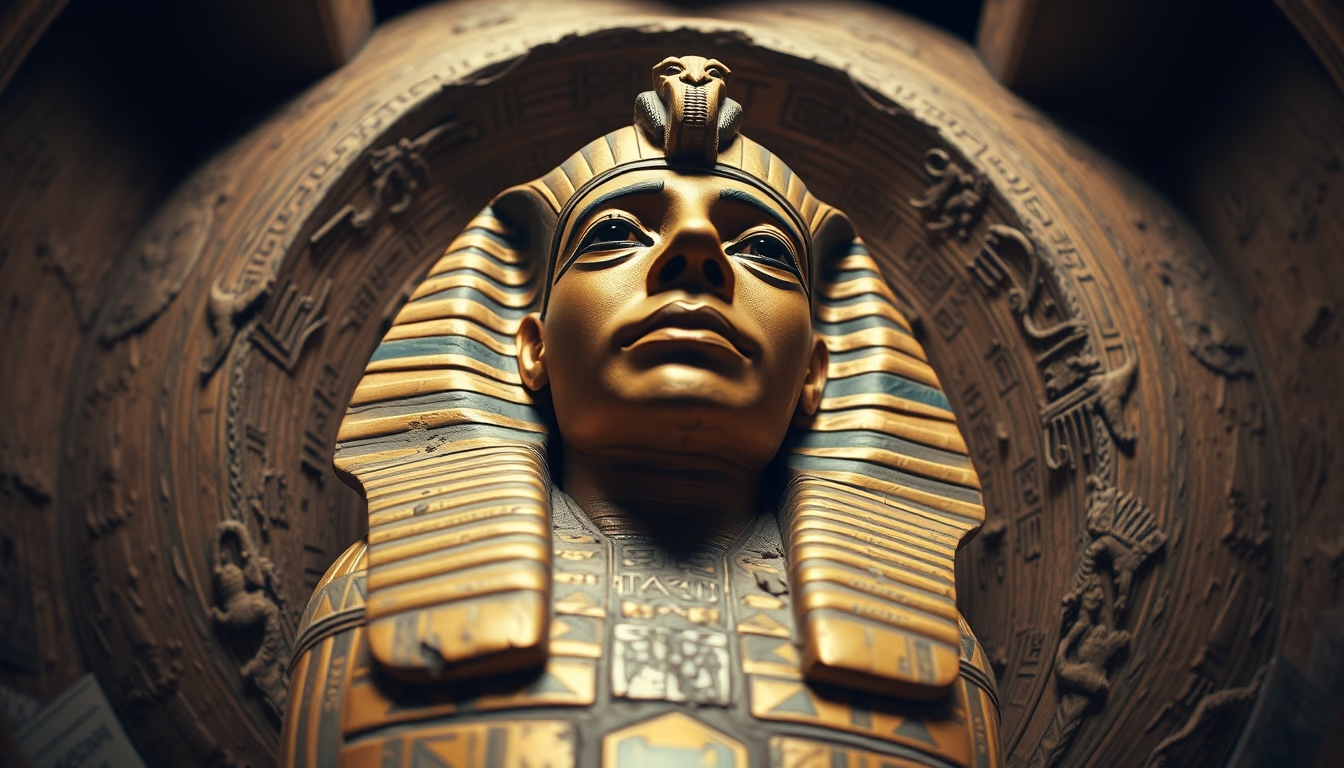
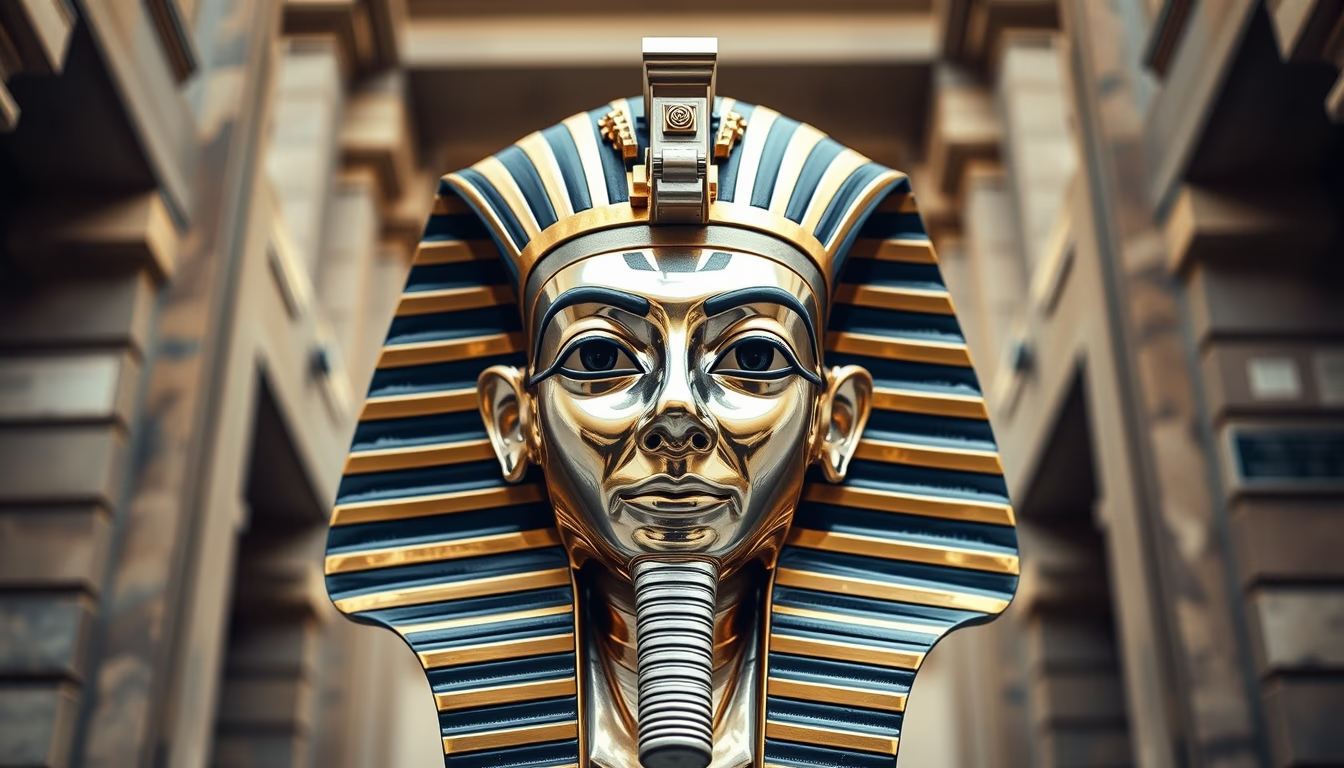
Egyptian mummy sarcophagus displays funerary art with hieroglyphic inscriptions and protective paintings.
About this subject
Egyptian sarcophagi were funerary containers designed to protect the mummified body and assist the deceased in the journey to the afterlife. Typically made of wood, stone, or cartonnage, their complexity varied according to the social status of the owner.
The decoration of sarcophagi was rich in religious symbolism. Images of deities such as Osiris, god of the dead, Anubis, guardian of cemeteries, and Horus, the falcon god, were common. Vibrant colors had specific meanings: blue represented the sky and the Nile, green symbolized renewal, and gold evoked the flesh of the gods. Hieroglyphic inscriptions often included passages from the Book of the Dead, a collection of spells to guide the soul.
Historically, sarcophagi evolved throughout the periods of ancient Egypt. In the Old Kingdom, they were simple rectangular boxes; by the New Kingdom, they took on anthropoid shapes, mimicking the wrapped body. Royal sarcophagi, like Tutankhamun's, were made of solid gold and precious stones, while those of common citizens used more accessible materials. The technique of mummification and the preparation of the sarcophagus were essential parts of the funerary cult, ensuring the preservation of the body for eternal life.
Frequently Asked Questions
What is an Egyptian sarcophagus?
It is a funerary container used in ancient Egypt to hold the mummified body, usually decorated with inscriptions and religious paintings to protect and guide the soul of the deceased.
Why are inscriptions important on sarcophagi?
The hieroglyphic inscriptions, often from the Book of the Dead, contained spells and prayers to help the deceased overcome the challenges of the underworld and achieve eternal life.
How were sarcophagi decorated?
They were painted with symbolic colors and images of gods such as Osiris, Anubis, and Horus. The udjat eyes were drawn to allow the deceased to see the outside world, and colors represented divine and natural aspects.
Direct URL
https://pub-c7d6a6ea828543ac903a74a341ccb2e1.r2.dev/imagens/mummy-sarcophagus-egypt-fish-eye-wide-angle-p6.avifHow to credit
Include a visible link back to UtilizAí. Copy one of the snippets below:
<a href="https://xn--utiliza-eza.com/en/midia/imagens/mummy-sarcophagus-egypt-fish-eye-wide-angle-p6">Mummy sarcophagus egypt</a> by <a href="https://xn--utiliza-eza.com">UtilizAí</a>, licensed under <a href="https://creativecommons.org/licenses/by/4.0/">CC BY 4.0</a>.
[Mummy sarcophagus egypt](https://xn--utiliza-eza.com/en/midia/imagens/mummy-sarcophagus-egypt-fish-eye-wide-angle-p6) by [UtilizAí](https://xn--utiliza-eza.com), CC BY 4.0
License: CC-BY-4.0