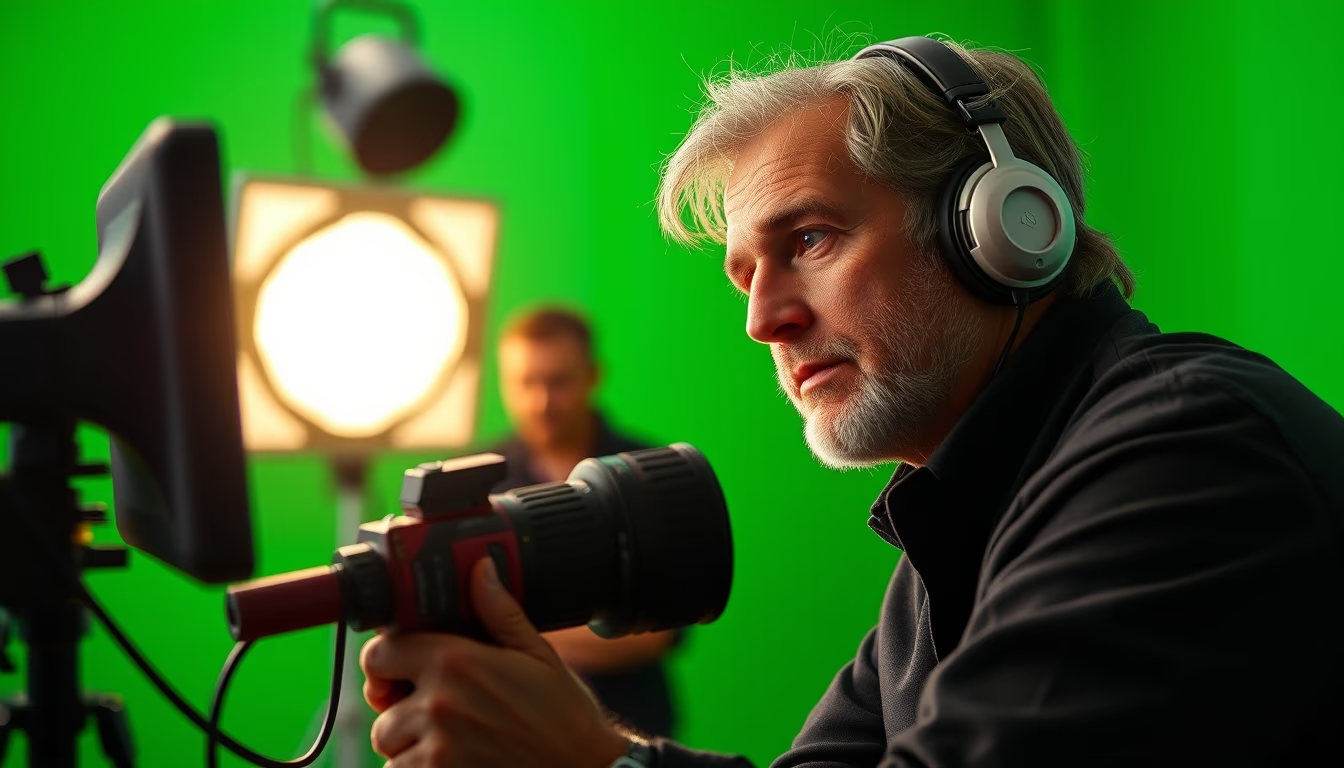
Movie clapperboard on set
1344×768 · AVIF · CC BY 4.0
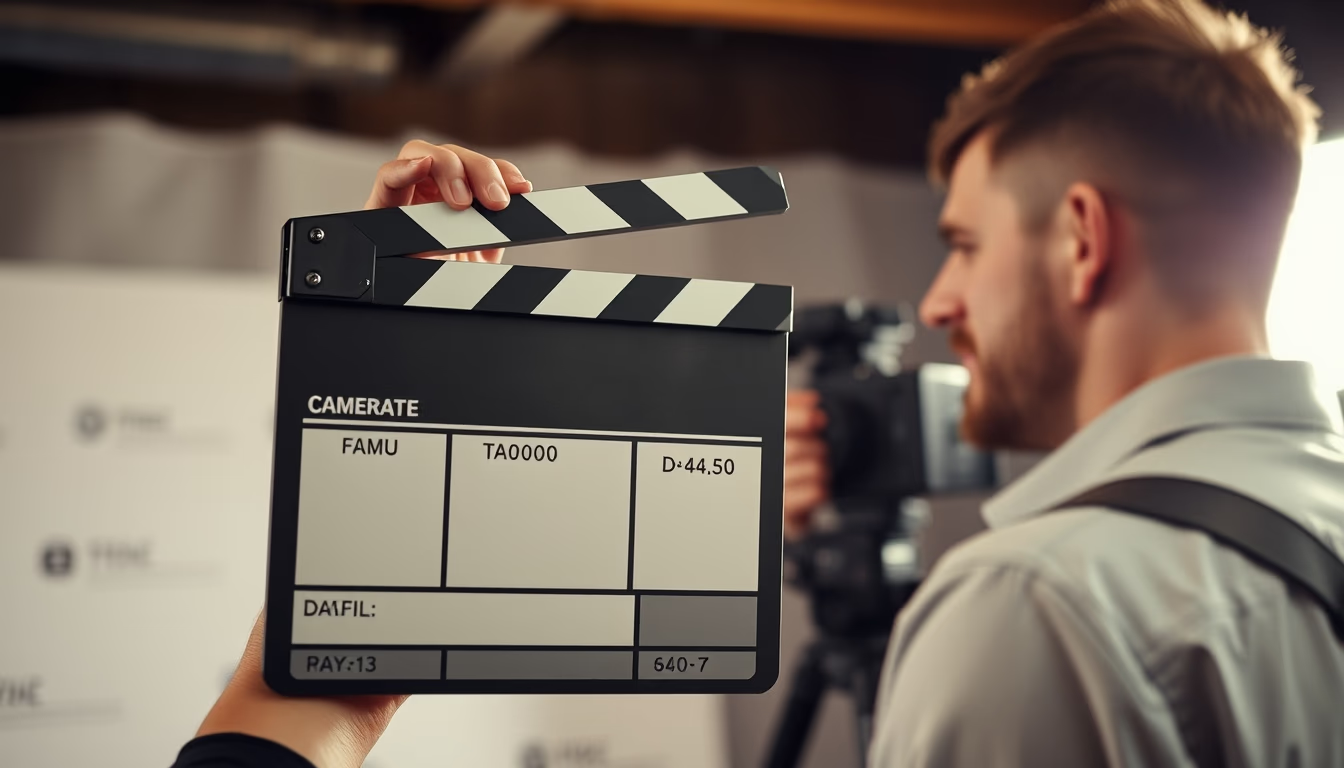
The clapperboard, also known as a slate, is a vital tool in film production to synchronize image and sound during shooting.
About this subject
A clapperboard, also known as a slate or clapboard, is a device used on film sets to synchronize audio and video. It consists of a board with written scene information (take number, roll, date) and a hinged stick that, when clapped, produces a distinctive sound. This sound is captured by the microphone, while the closure is recorded by the camera; in post-production, the editor aligns the sound peak with the exact frame of the clap, ensuring perfect sync.
The use of the clapperboard dates back to the early days of sound cinema in the 1920s, when the need to synchronize separately recorded sound became crucial. Before that, the slate was used only as a scene identifier. The modern design, with two blades, was patented by Frank J. Harris in 1923. The information written on the board includes the production title, director, camera, date, and take number, following an international standard.
Besides its technical function, the clapperboard has become a cultural icon of cinema, appearing in making-of footage, behind-the-scenes photos, and even artworks. In the digital age, editing software can auto-sync using the clap, but the physical clapperboard remains widely used for its reliability and tradition. The lo-fi disposable camera aesthetic suggested by the tag evokes a nostalgic, raw visual common in indie set documentation or films aiming for a vintage style.
Frequently Asked Questions
Why does the clapperboard make that characteristic sound?
The sound is produced by the hinged stick hitting the board. This serves as a reference for the editor: by visualizing the exact frame where the blades touch and hearing the sound peak, they synchronize audio and video accurately.
What is the origin of the term 'clapperboard'?
The term comes from the 'clap' sound made by the device. The word 'clapperboard' combines 'clap' and 'board'. It emerged in the early sound film era in the 1920s.
Are clapperboards still used with digital filming?
Yes, even though editing software allows automatic waveform synchronization, the physical clapperboard remains used on professional sets as a backup and out of tradition. Many directors and editors prefer its reliability.
Direct URL
https://pub-c7d6a6ea828543ac903a74a341ccb2e1.r2.dev/imagens/movie-clapperboard-on-set-lo-fi-disposable-camera-p4.avifHow to credit
Include a visible link back to UtilizAí. Copy one of the snippets below:
<a href="https://xn--utiliza-eza.com/en/midia/imagens/movie-clapperboard-on-set-lo-fi-disposable-camera-p4">Movie clapperboard on set</a> by <a href="https://xn--utiliza-eza.com">UtilizAí</a>, licensed under <a href="https://creativecommons.org/licenses/by/4.0/">CC BY 4.0</a>.
[Movie clapperboard on set](https://xn--utiliza-eza.com/en/midia/imagens/movie-clapperboard-on-set-lo-fi-disposable-camera-p4) by [UtilizAí](https://xn--utiliza-eza.com), CC BY 4.0
License: CC-BY-4.0