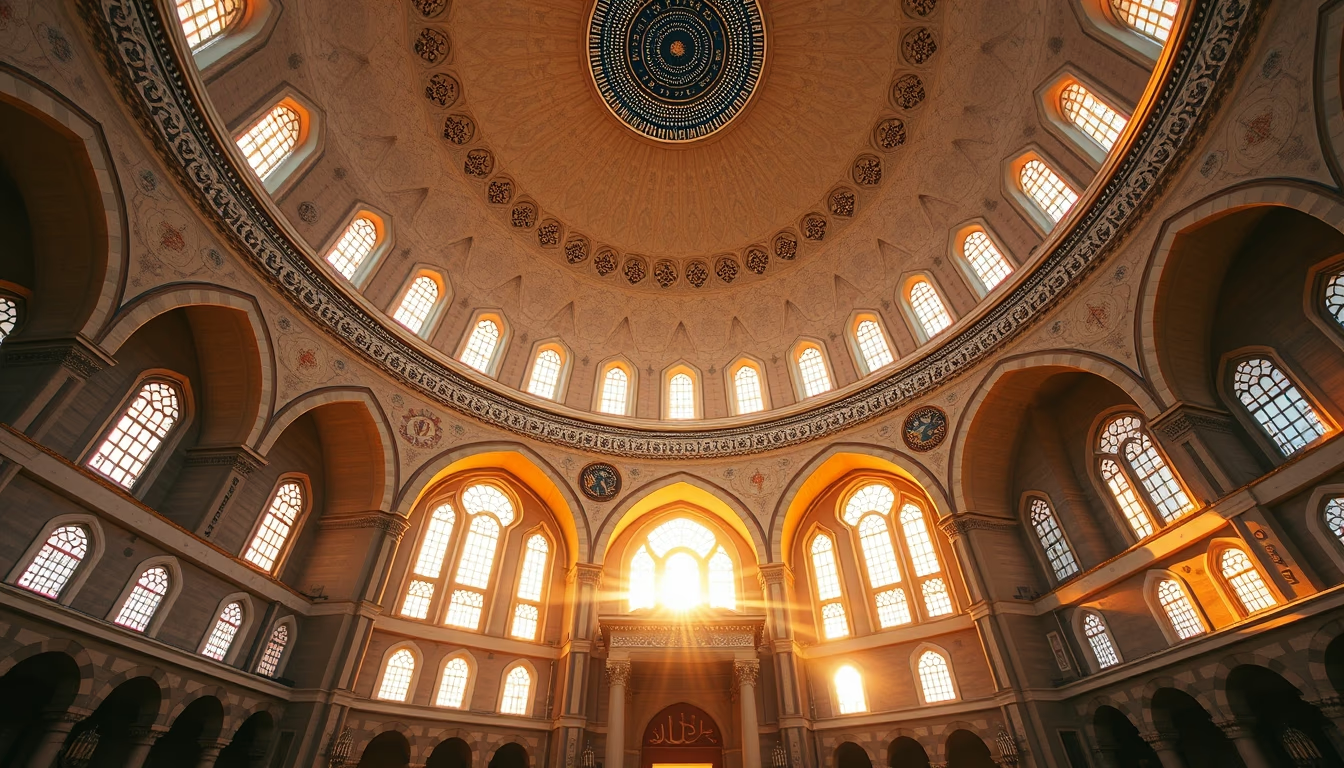
Mosque dome interior
1344×768 · AVIF · CC BY 4.0
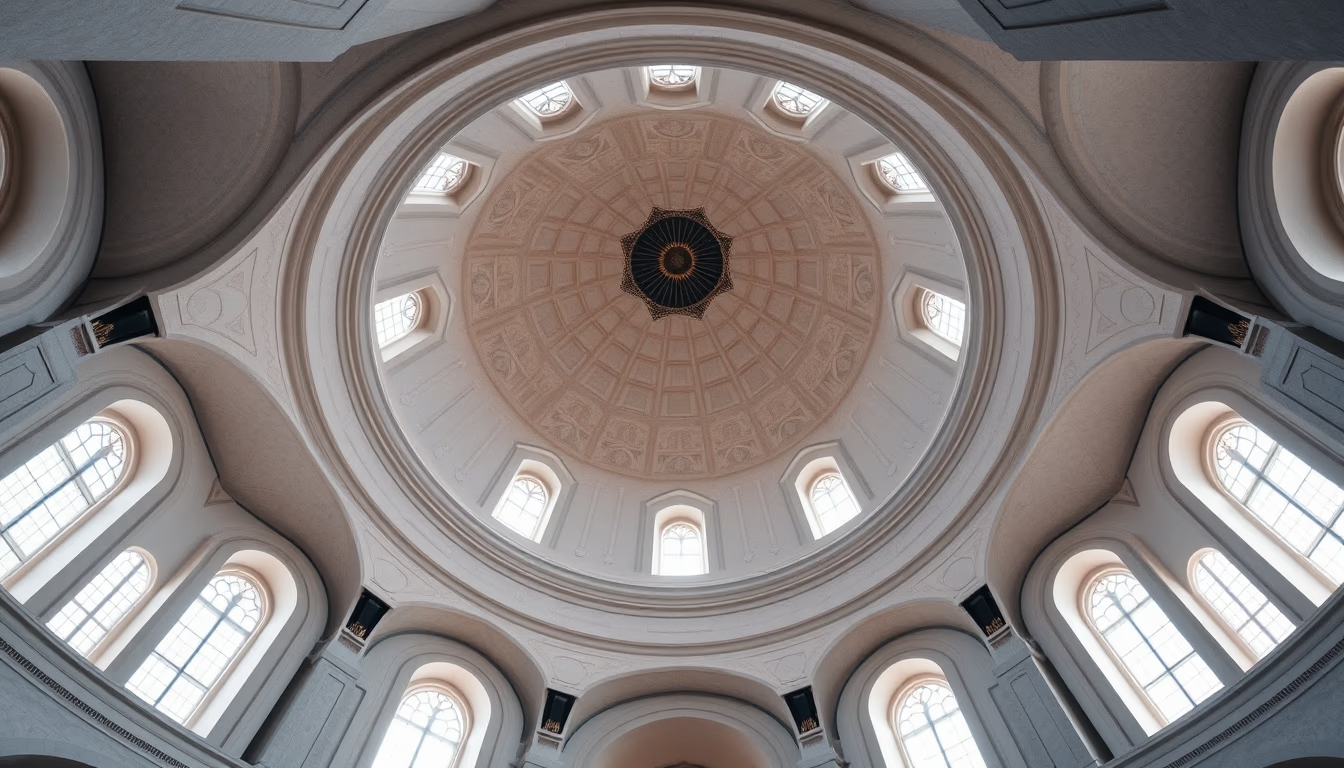
The interior of a mosque dome unveils centuries of Islamic engineering and geometric art, with patterns symbolizing divine infinity.
About this subject
The dome, or qubba, is one of the most iconic elements of Islamic architecture. Present in mosques since the 7th century, its function goes beyond covering large spaces: it represents the celestial vault and divine presence. Inside, geometric patterns and calligraphic inscriptions are not merely decorative; they reflect the search for cosmic order and transcendence. Early examples, such as the Dome of the Rock in Jerusalem (691 AD), already featured intricate mosaics. Over time, different regional schools developed their own techniques. In Persian architecture, bulbous domes were adorned with muqarnas, stalactite-like structures that create complex shadows. Ottoman architecture, with Sinan in the 16th century, elevated domes to monumental proportions, as in the Süleymaniye Mosque, where light enters through strategically placed windows to illuminate arabesques. Islamic geometry, based on mathematical principles, avoids figurative representation and uses repetition of stars and polygons to symbolize the oneness of God. Today, contemporary mosques reinterpret these elements with modern materials like concrete and glass, but retain the symbolic essence. The dome continues to be a focal point for prayer and meditation, blending tradition and innovation.
Frequently Asked Questions
Why are domes common in mosques?
The dome symbolizes the celestial vault and God's unity, and allows covering large interior spaces without columns, improving visibility of the imam and acoustics for prayers.
What is the meaning of geometric patterns in mosque domes?
The geometric patterns represent divine order and the infinity of the cosmos, avoiding figurative representation due to Islamic aniconism. The repetition of stars and arabesques leads to meditation.
How are mosque domes constructed?
Traditionally, bricks or stone are used in concentric rings, with techniques like muqarnas for weight distribution. In modern times, reinforced concrete and metal structures allow lighter and wider forms.
Direct URL
https://pub-c7d6a6ea828543ac903a74a341ccb2e1.r2.dev/imagens/mosque-dome-interior-architectural-photography-p1.avifHow to credit
Include a visible link back to UtilizAí. Copy one of the snippets below:
<a href="https://xn--utiliza-eza.com/en/midia/imagens/mosque-dome-interior-architectural-photography-p1">Mosque dome interior</a> by <a href="https://xn--utiliza-eza.com">UtilizAí</a>, licensed under <a href="https://creativecommons.org/licenses/by/4.0/">CC BY 4.0</a>.
[Mosque dome interior](https://xn--utiliza-eza.com/en/midia/imagens/mosque-dome-interior-architectural-photography-p1) by [UtilizAí](https://xn--utiliza-eza.com), CC BY 4.0
License: CC-BY-4.0