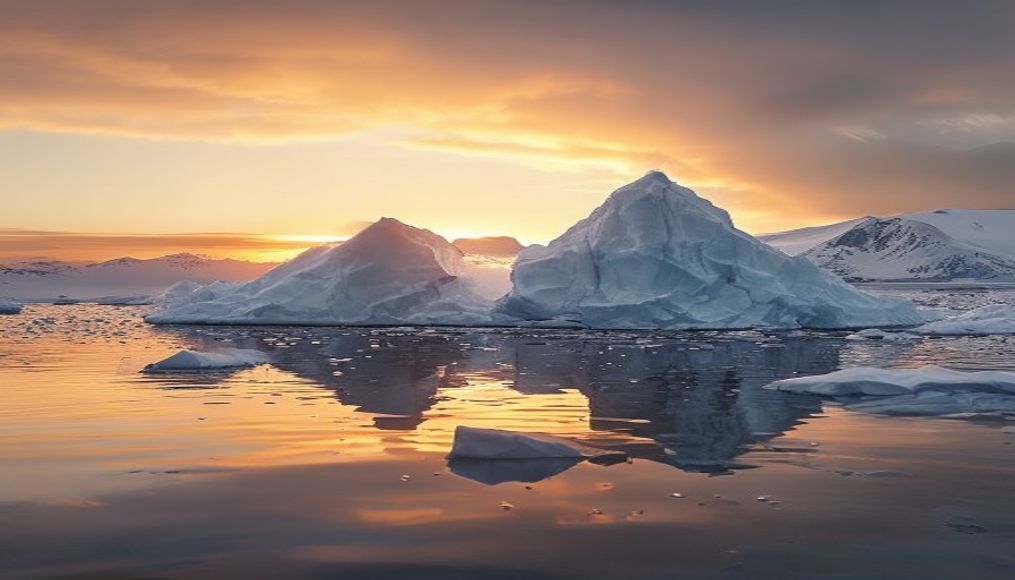
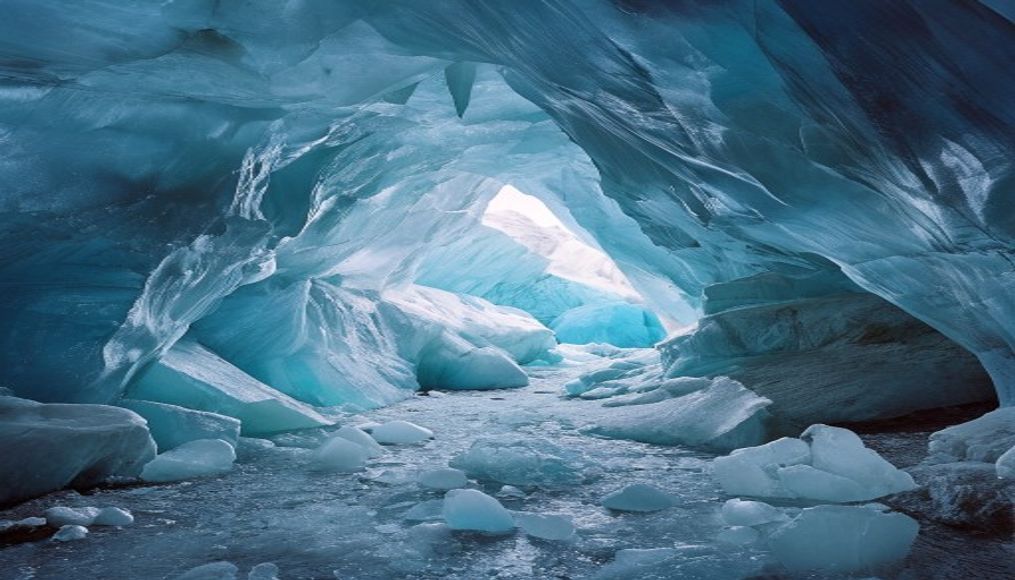
Moraine glacial deposit
1344×768 · AVIF · CC BY 4.0
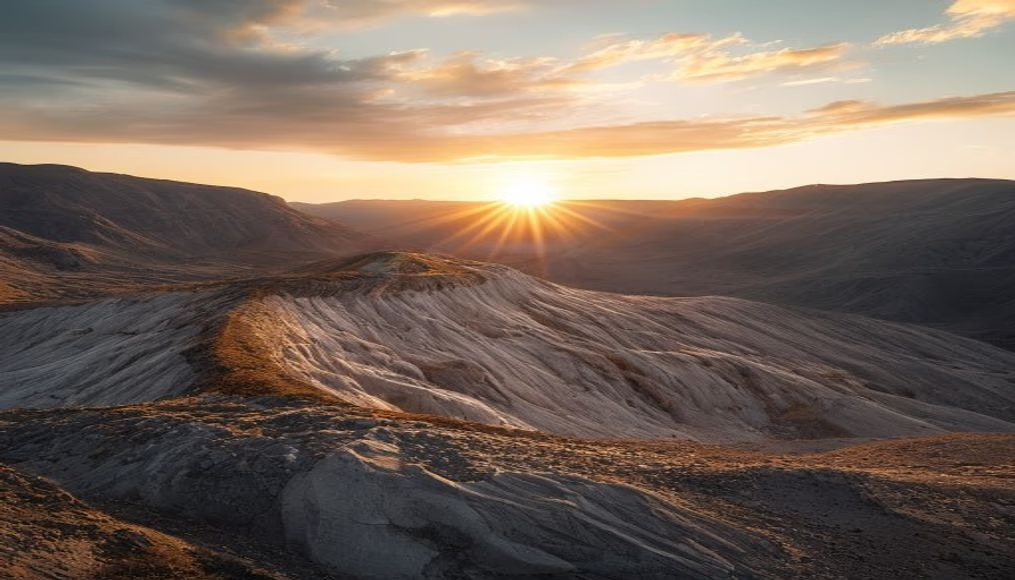
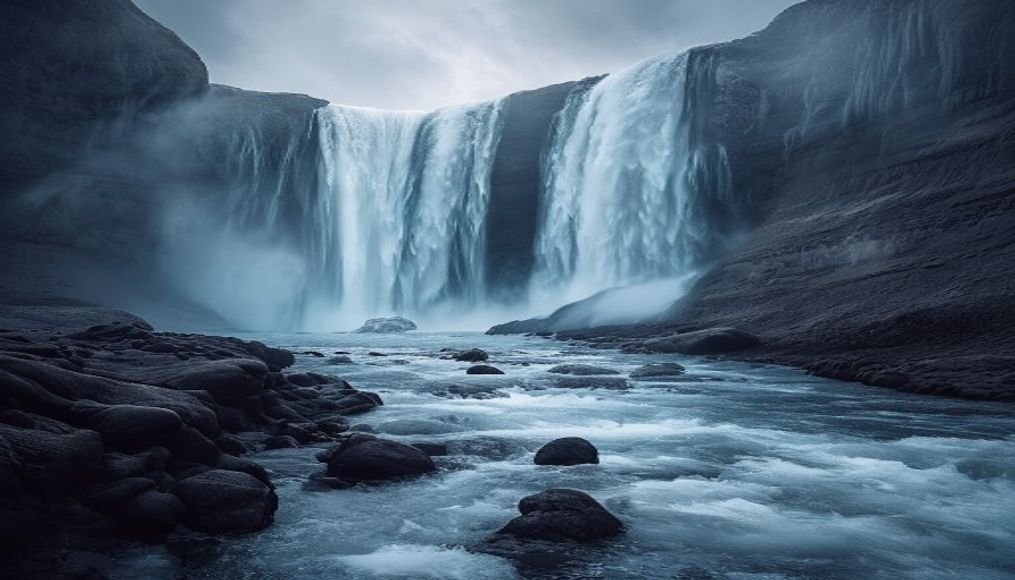
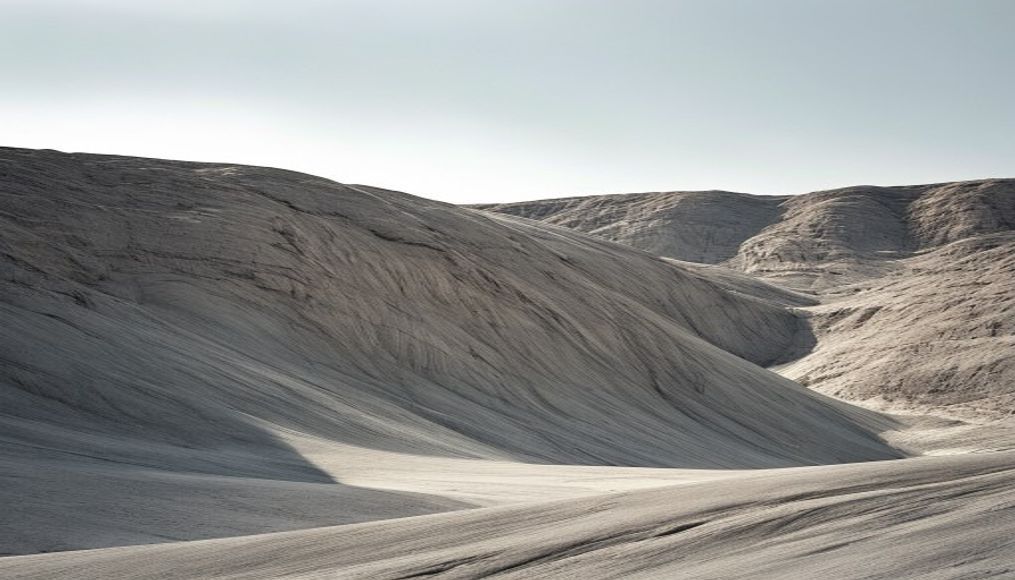
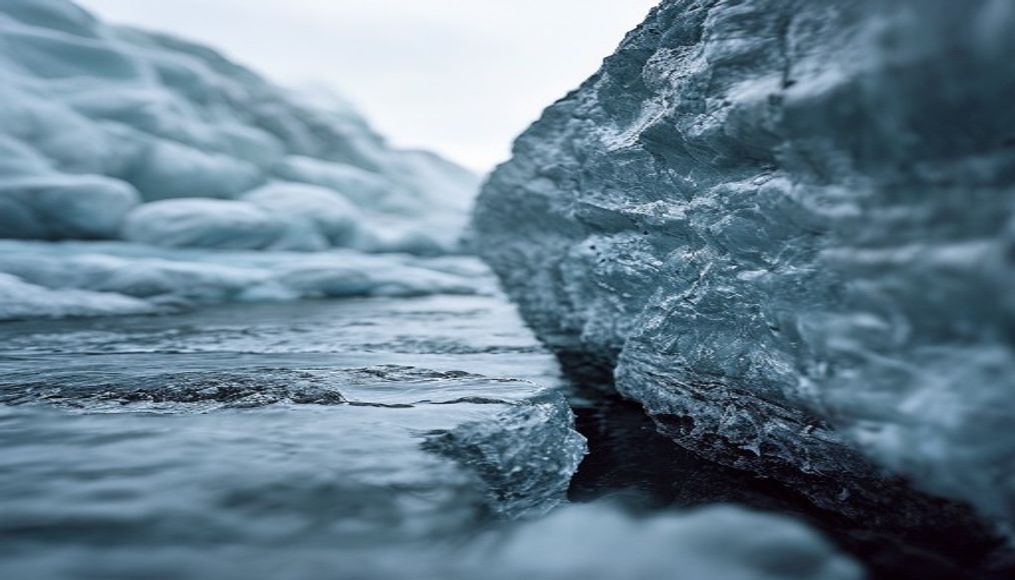
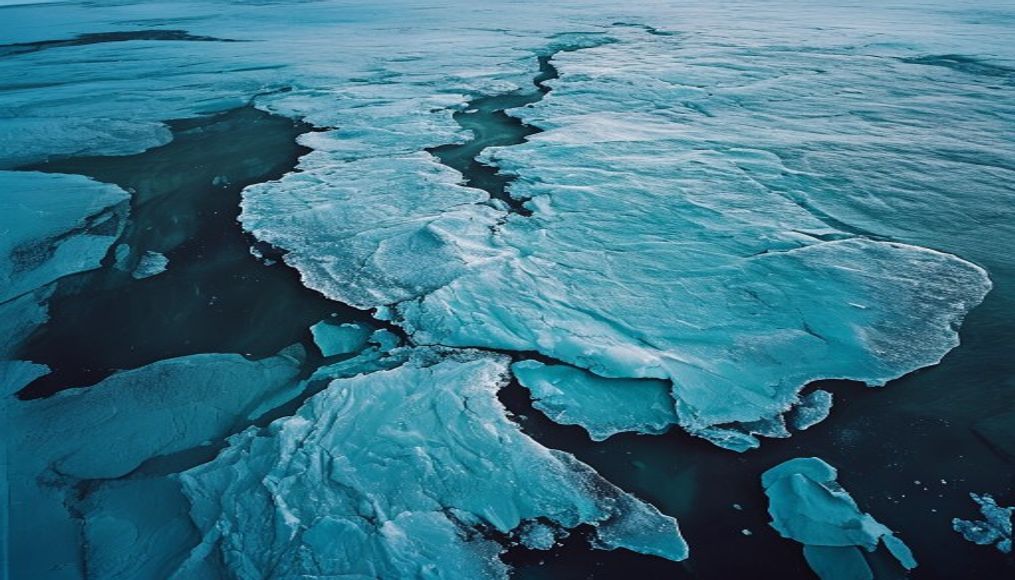
A moraine is a glacial deposit of rock debris transported and accumulated by glaciers, revealing the history of glacial movement.
About this subject
Moraine glacial deposits are geological formations composed of rock debris, ranging from clay to large boulders, transported and deposited by moving glaciers. They form when ice melts or when the glacier pushes material ahead. Several types exist: terminal moraines marking the glacier's maximum advance; lateral moraines deposited along the sides; and medial moraines formed by the merging of two glaciers. These structures are key to understanding glacial advance and retreat over time, serving as climate records.
Moraines are found in glaciated regions such as the Alps, Himalayas, Patagonia, and Greenland. In Brazil, remnants of moraines can be observed in Campos do Jordão National Park and the Mantiqueira Range, resulting from past glaciations during the Quaternary period. Sediment composition varies with local bedrock, influencing the moraine's color and texture. For instance, granite-rich moraines tend to be lighter, while those derived from basalt are darker.
Interestingly, moraines are not just relics of the past: active glaciers continue to transport and deposit material, forming contemporary moraines. These deposits are also important for hydrology, acting as aquifers or natural barriers affecting water flow. Additionally, pioneer vegetation often colonizes moraines, turning them into dynamic ecosystems. Analysis of moraines helps scientists reconstruct ancient glacier extents and predict future changes under global warming scenarios.
Frequently Asked Questions
What is a glacial moraine?
A glacial moraine is an accumulation of rock debris transported and deposited by glaciers. They can be found at the margins, front, or within the glaciers.
How do moraines form?
Moraines form when glacial ice melts or pushes rocky material. The type of moraine depends on its position relative to the glacier: lateral, medial, terminal, or ground.
Why are moraines important for climate study?
Moraines serve as geological records indicating past glacier extent. By analyzing their composition and age, scientists can reconstruct historical climate changes and predict future trends.
Direct URL
https://pub-c7d6a6ea828543ac903a74a341ccb2e1.r2.dev/imagens/moraine-glacial-deposit-cinematic-wide-shot-p0.avifHow to credit
Include a visible link back to UtilizAí. Copy one of the snippets below:
<a href="https://xn--utiliza-eza.com/en/midia/imagens/moraine-glacial-deposit-cinematic-wide-shot-p0">Moraine glacial deposit</a> by <a href="https://xn--utiliza-eza.com">UtilizAí</a>, licensed under <a href="https://creativecommons.org/licenses/by/4.0/">CC BY 4.0</a>.
[Moraine glacial deposit](https://xn--utiliza-eza.com/en/midia/imagens/moraine-glacial-deposit-cinematic-wide-shot-p0) by [UtilizAí](https://xn--utiliza-eza.com), CC BY 4.0
License: CC-BY-4.0