Moraine glacial deposit
1344×768 · AVIF · CC BY 4.0
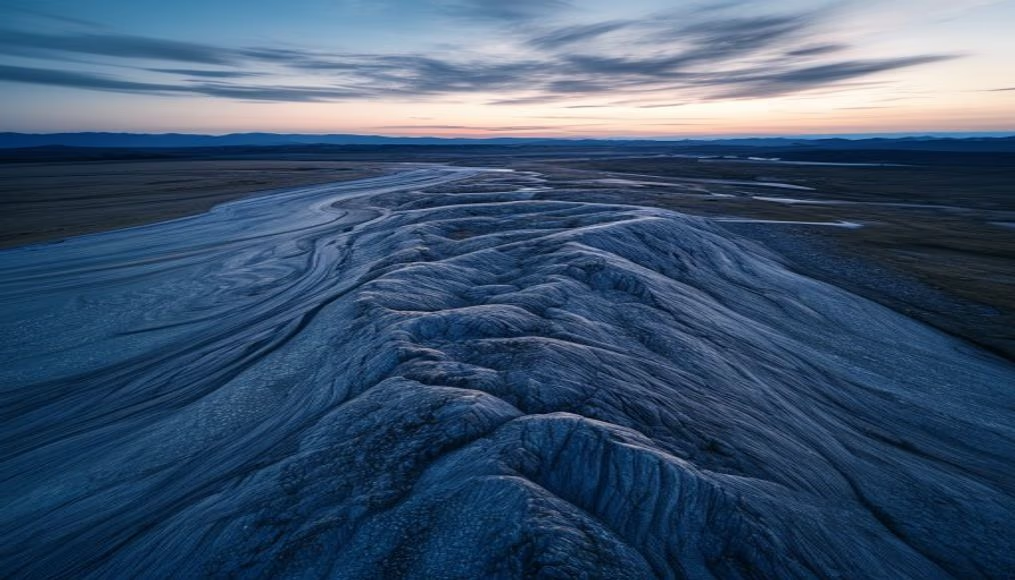
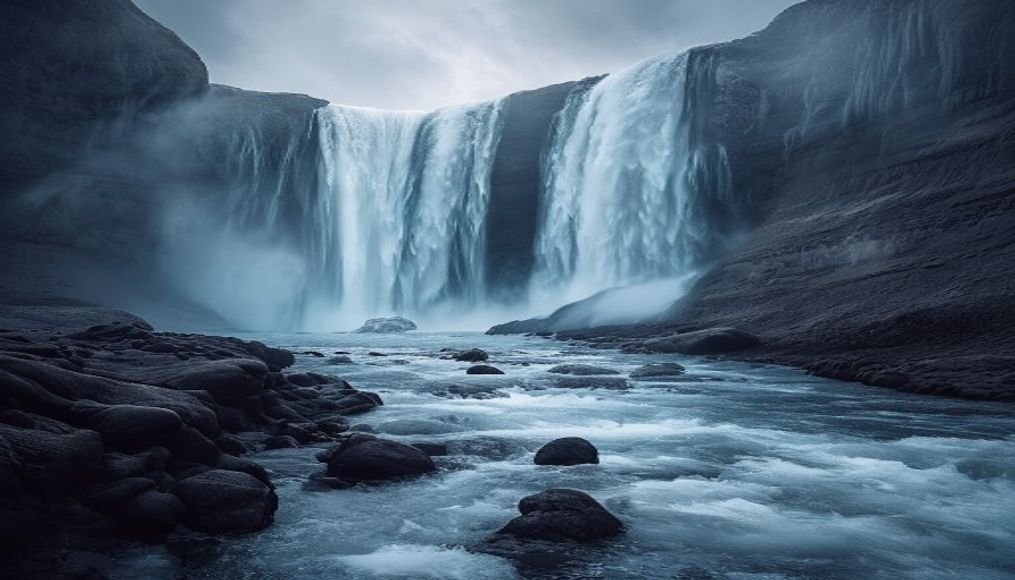
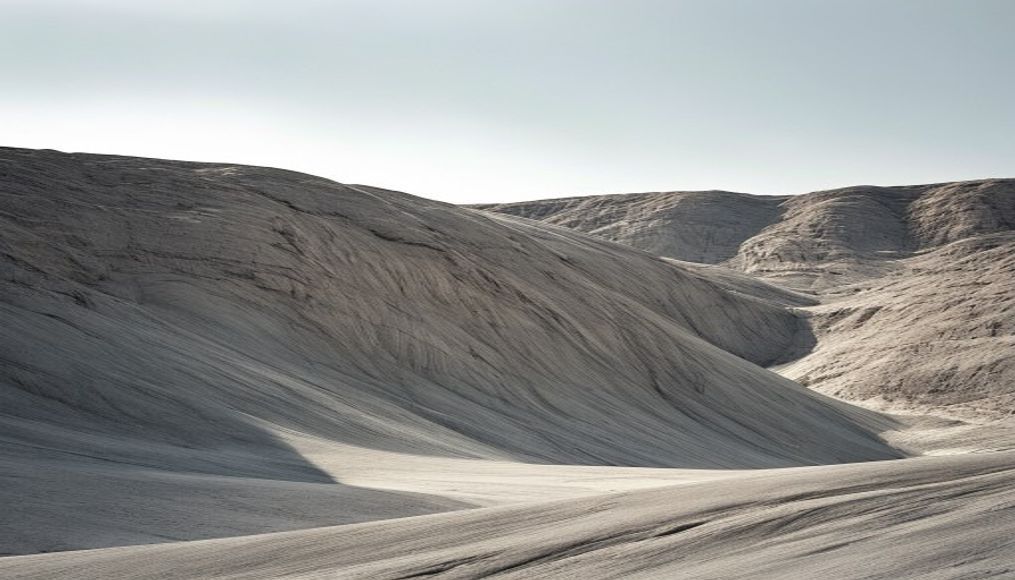
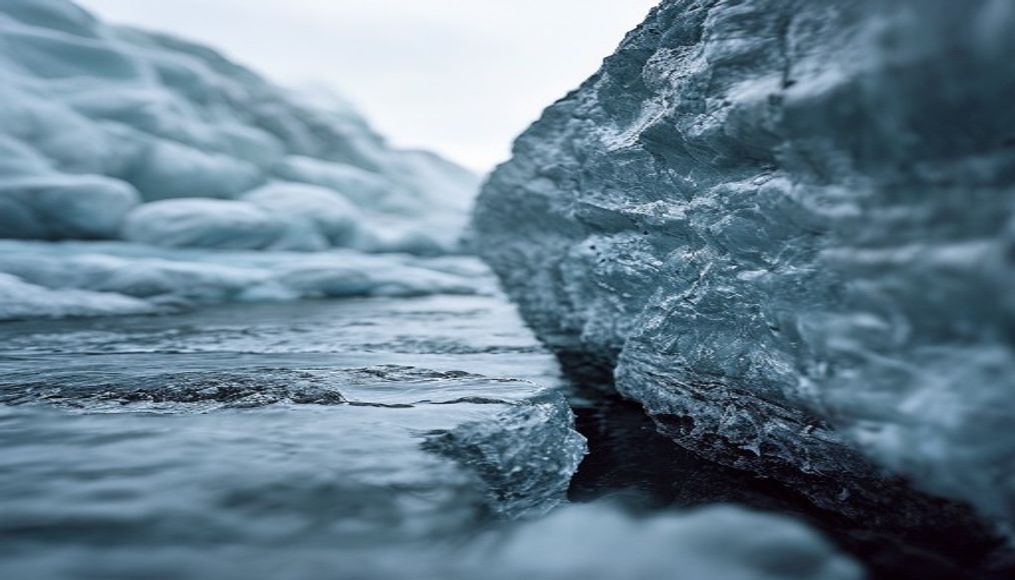
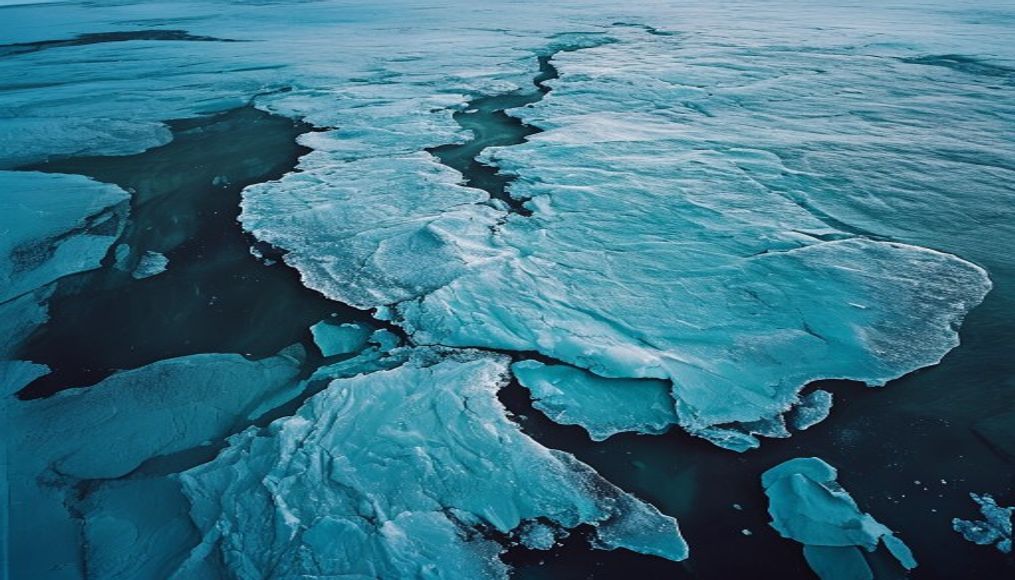
A moraine is a deposit of rocky sediments left by retreating glaciers, forming elongated ridges that reveal glacial history.
About this subject
Moraines are accumulations of rocky debris transported and deposited by glaciers. They form when ice melts and abandons the rock fragments it carried, resulting in elongated mounds or ridges along the glacier's edges or center. Several types exist: terminal (at the glacier's end), lateral (along the sides), medial (formed by the joining of two glaciers), and ground moraine (deposited beneath the ice). The composition ranges from clay to large boulders, depending on the source rock and distance traveled.
These deposits are crucial for understanding glacier advance and retreat over geological time. By mapping moraines, scientists can reconstruct past glacier extents and correlate them with climatic periods, such as Pleistocene glaciations. For instance, terminal moraines mark the farthest point a glacier reached before retreating. In Brazil, although no active glaciers exist, fossil moraines can be found in high-altitude regions like the Serra do Mar, indicating ancient glacial events.
Beyond scientific value, moraines have ecological significance. They often create microhabitats for plants and animals adapted to young, unstable soils. In mountainous regions like the Alps or the Andes, moraines serve as transition zones between ice and vegetation, hosting pioneer species. Studying moraines also aids mineral prospecting, as they concentrate heavy minerals such as gold and platinum.
With current climate change, moraines gain prominence as visible indicators of accelerated glacial retreat. Glaciers worldwide, from the Himalayas to Patagonia, are exposing increasingly large moraines. Monitoring their evolution allows quantification of ice mass loss and prediction of impacts on sea level and water resources. Thus, moraines are not only relics of the past but active witnesses to planetary transformations.
Frequently Asked Questions
How do moraines form?
Moraines form when glaciers transport rocky debris and deposit it upon melting. The ice acts as a conveyor belt, carrying fragments from valley walls or the bedrock. When the glacier retreats, these debris pile up, creating ridges.
Why are moraines important for climate study?
Moraines record glacier advance and retreat over time. By dating and mapping moraines, scientists reconstruct past climate changes and understand ice sheet dynamics. They also help predict glacier responses to current climate change.
What types of moraines exist and where are they found?
Main types include terminal, lateral, medial, and ground moraines. Terminal and lateral moraines are common in glacial valleys of the Alps, Andes, and Himalayas. Medial moraines form where two glaciers merge. They occur in mountainous regions with active or extinct glaciers.
Direct URL
https://pub-c7d6a6ea828543ac903a74a341ccb2e1.r2.dev/imagens/moraine-glacial-deposit-aerial-drone-shot-p2.avifHow to credit
Include a visible link back to UtilizAí. Copy one of the snippets below:
<a href="https://xn--utiliza-eza.com/en/midia/imagens/moraine-glacial-deposit-aerial-drone-shot-p2">Moraine glacial deposit</a> by <a href="https://xn--utiliza-eza.com">UtilizAí</a>, licensed under <a href="https://creativecommons.org/licenses/by/4.0/">CC BY 4.0</a>.
[Moraine glacial deposit](https://xn--utiliza-eza.com/en/midia/imagens/moraine-glacial-deposit-aerial-drone-shot-p2) by [UtilizAí](https://xn--utiliza-eza.com), CC BY 4.0
License: CC-BY-4.0