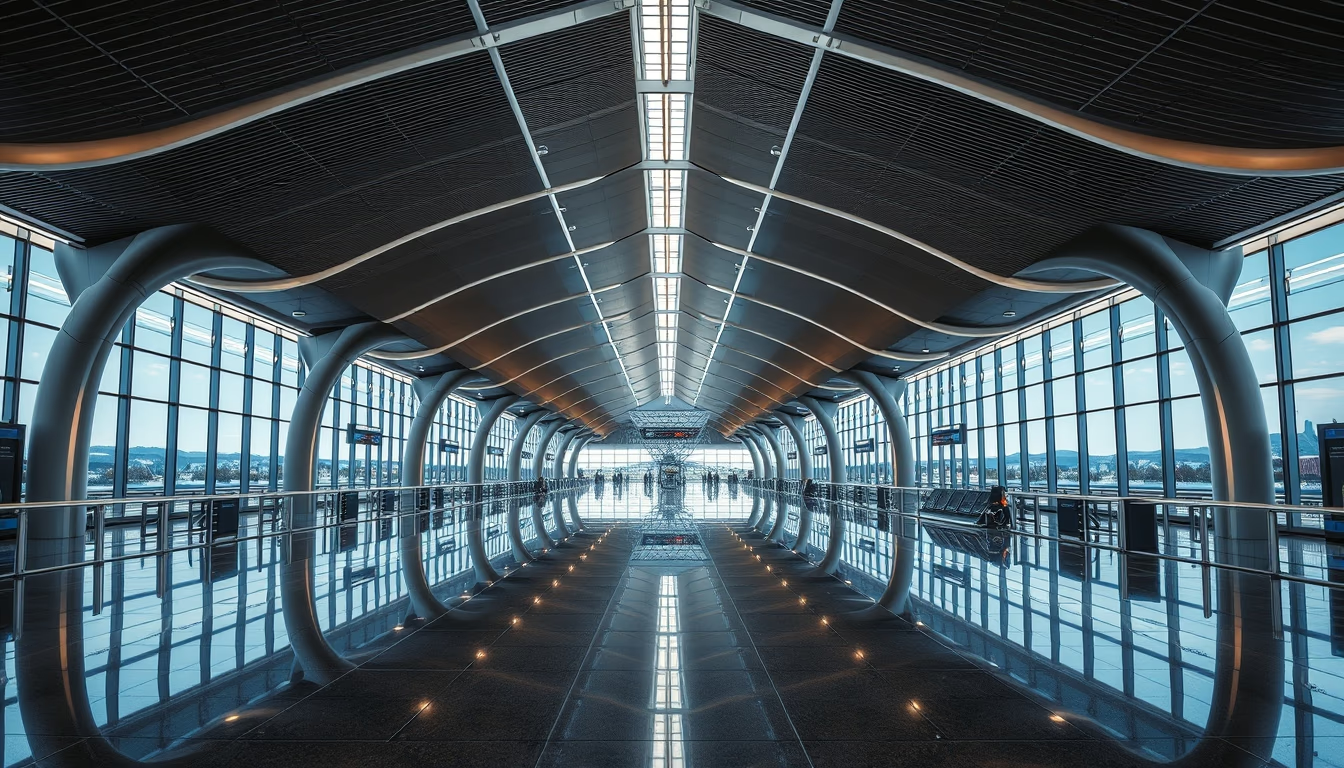
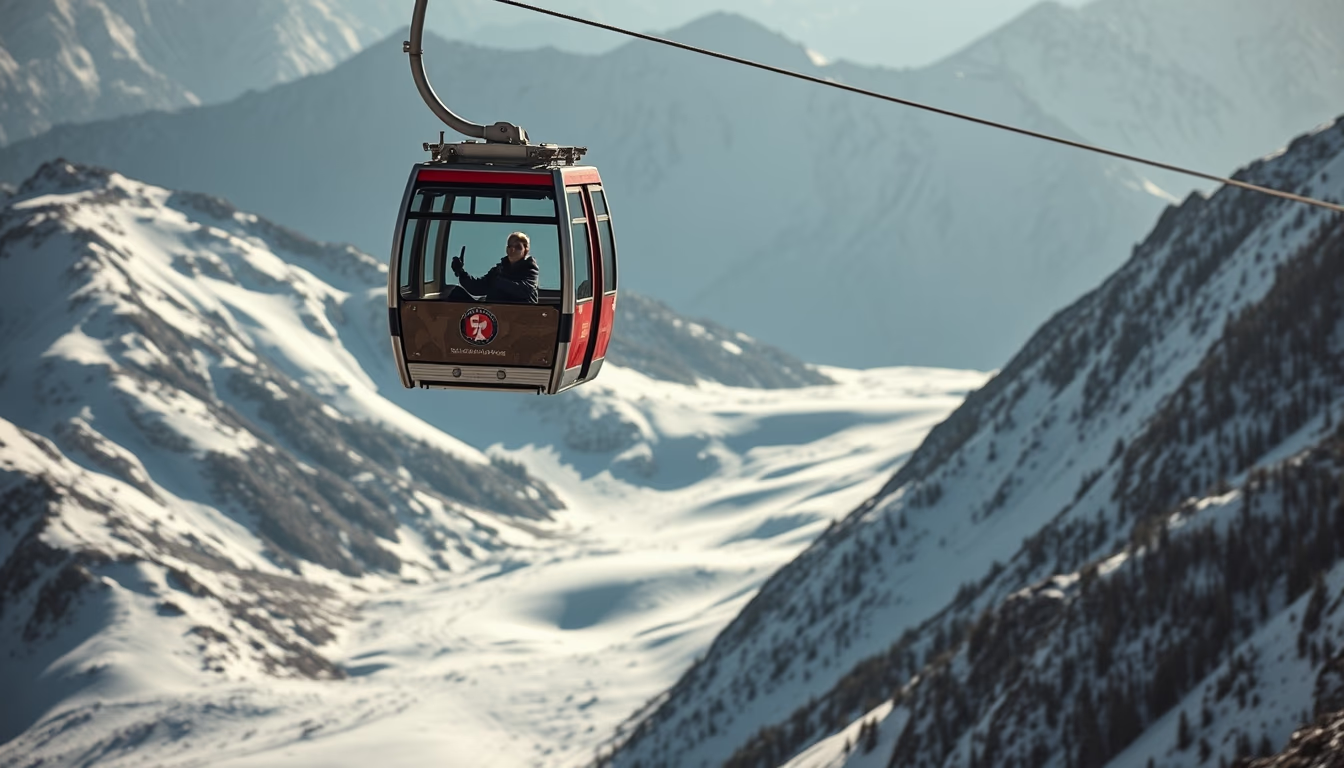
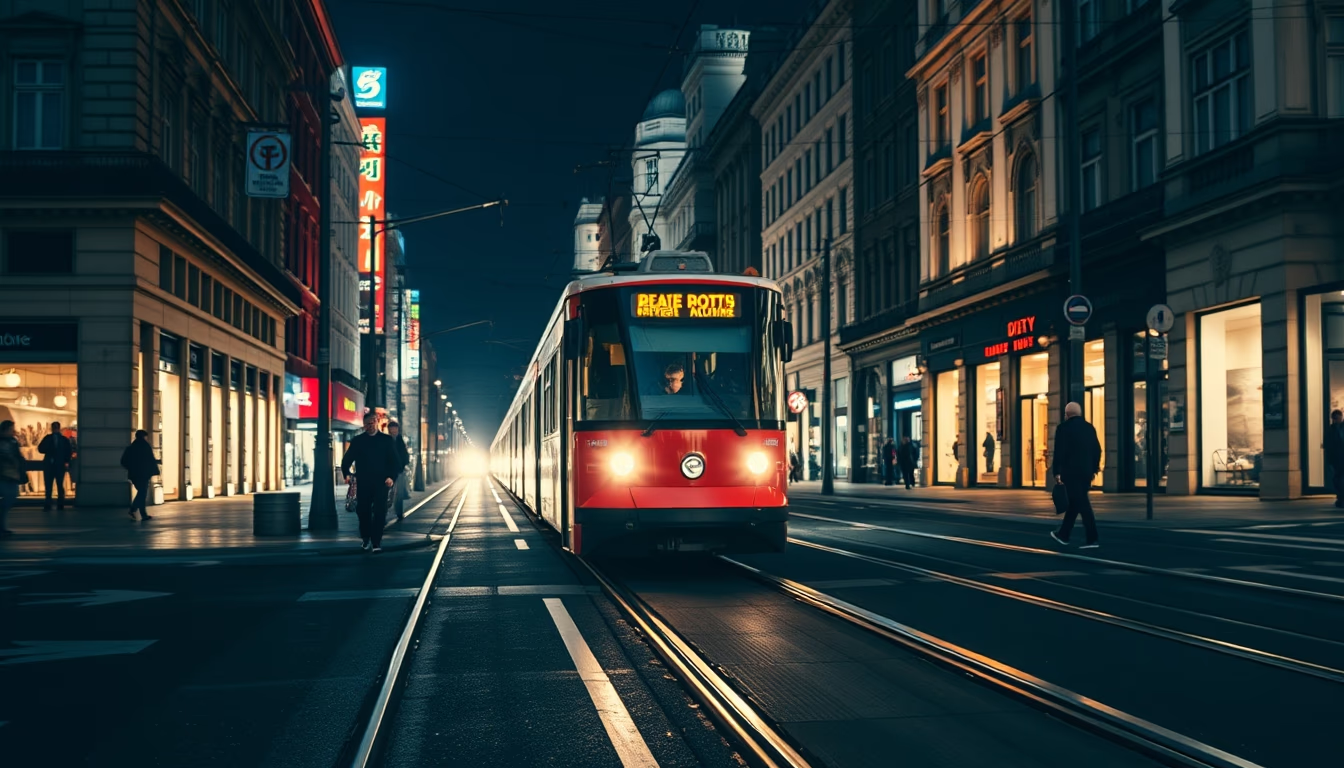
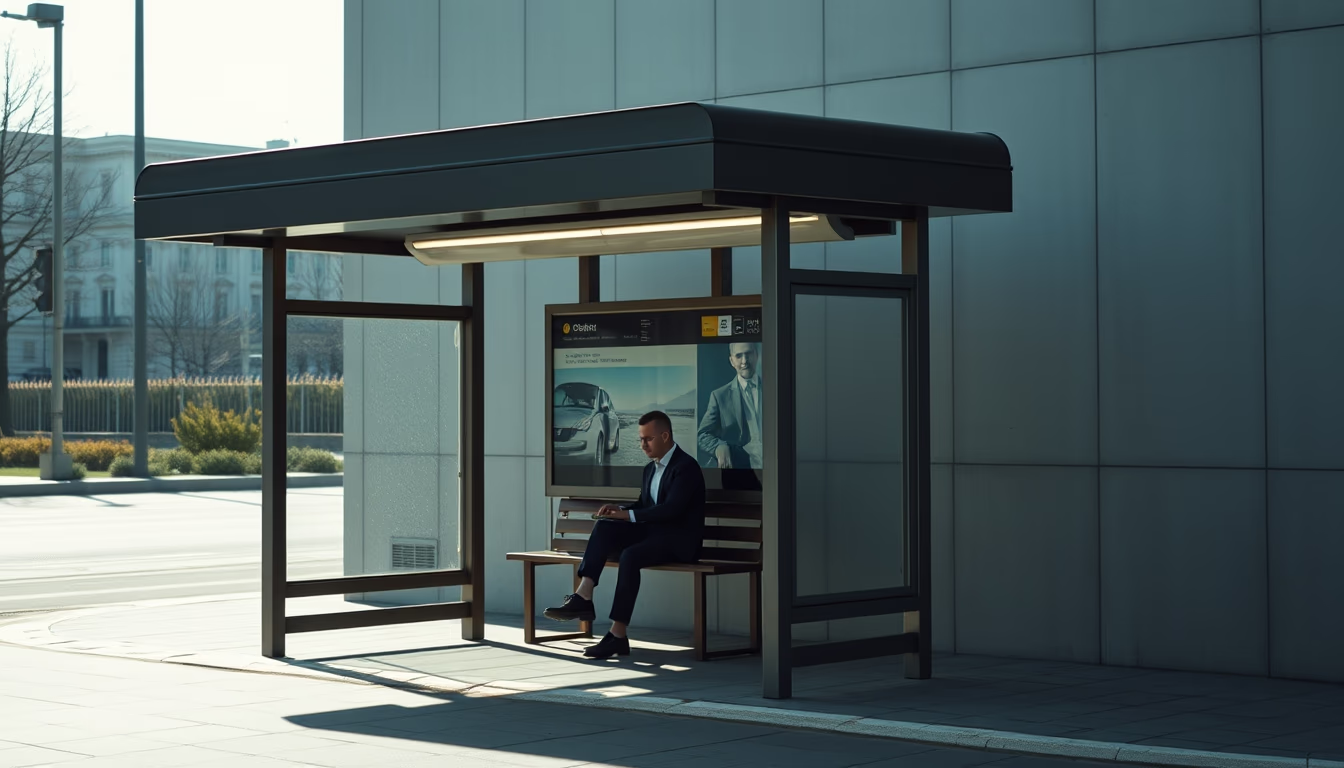
Monorail elevated
1344×768 · AVIF · CC BY 4.0

Elevated monorails are single-rail transit systems providing efficient urban mobility with minimal visual impact.
About this subject
Elevated monorails are rail-based transportation systems that operate on a single beam or track, typically suspended above street level. This configuration allows the vehicle to move without interfering with surface traffic, making it a popular solution in dense urban areas. The first modern monorail was patented by German engineer Eugen Langen in 1893, and the concept has since evolved into models such as the Alweg, widely used in theme parks, and newer rubber-tire systems like those in Tokyo.
Elevated monorails stand out for their ability to navigate steep grades and tight curves while occupying minimal ground space. They are often adopted in airports, such as Kuala Lumpur International Airport, and in metropolitan regions like São Paulo, where the Line 15-Silver monorail connects peripheral neighborhoods to the city center. In terms of capacity, a monorail can transport between 10,000 and 40,000 passengers per hour per direction, depending on the model.
Globally, Japan leads in monorail track length, with the Tokyo Monorail linking the city center to the artificial island of Odaiba. Other notable examples include the Wuppertal Schwebebahn in Germany, one of the oldest still in operation, and the Las Vegas Monorail, which connects casinos along the Strip. With growing demand for sustainable transport, monorails are being reconsidered in urban mobility projects due to their energy efficiency and low noise levels.
Technically, monorails can be either suspended (suspension) or straddle-beam types. The straddle-beam system, more common, uses rubber tires running on a concrete beam, guided by lateral wheels. Power is supplied via third rail or overhead catenary. Maintenance is simplified as the elevated tracks are protected from weather and vandalism.
Frequently Asked Questions
What is the difference between a monorail and a subway?
A monorail runs on a single rail, usually elevated, while a subway uses two rails and can be underground, elevated, or at ground level. Monorails occupy less space and are more flexible on curves and gradients.
Where are monorails found in Brazil?
In Brazil, notable monorails include the Line 15-Silver in São Paulo, as well as systems in theme parks like Beto Carrero World. Projects for other cities, such as a monorail in Salvador, are under study.
Are monorails safe?
Yes, monorails are considered safe. They operate on exclusive guideways, reducing collision risks. Modern systems include automatic brakes and computer monitoring.
Direct URL
https://pub-c7d6a6ea828543ac903a74a341ccb2e1.r2.dev/imagens/monorail-elevated-macro-closeup-p1.avifHow to credit
Include a visible link back to UtilizAí. Copy one of the snippets below:
<a href="https://xn--utiliza-eza.com/en/midia/imagens/monorail-elevated-macro-closeup-p1">Monorail elevated</a> by <a href="https://xn--utiliza-eza.com">UtilizAí</a>, licensed under <a href="https://creativecommons.org/licenses/by/4.0/">CC BY 4.0</a>.
[Monorail elevated](https://xn--utiliza-eza.com/en/midia/imagens/monorail-elevated-macro-closeup-p1) by [UtilizAí](https://xn--utiliza-eza.com), CC BY 4.0
License: CC-BY-4.0