Mofongo puerto rican
1344×768 · AVIF · CC BY 4.0
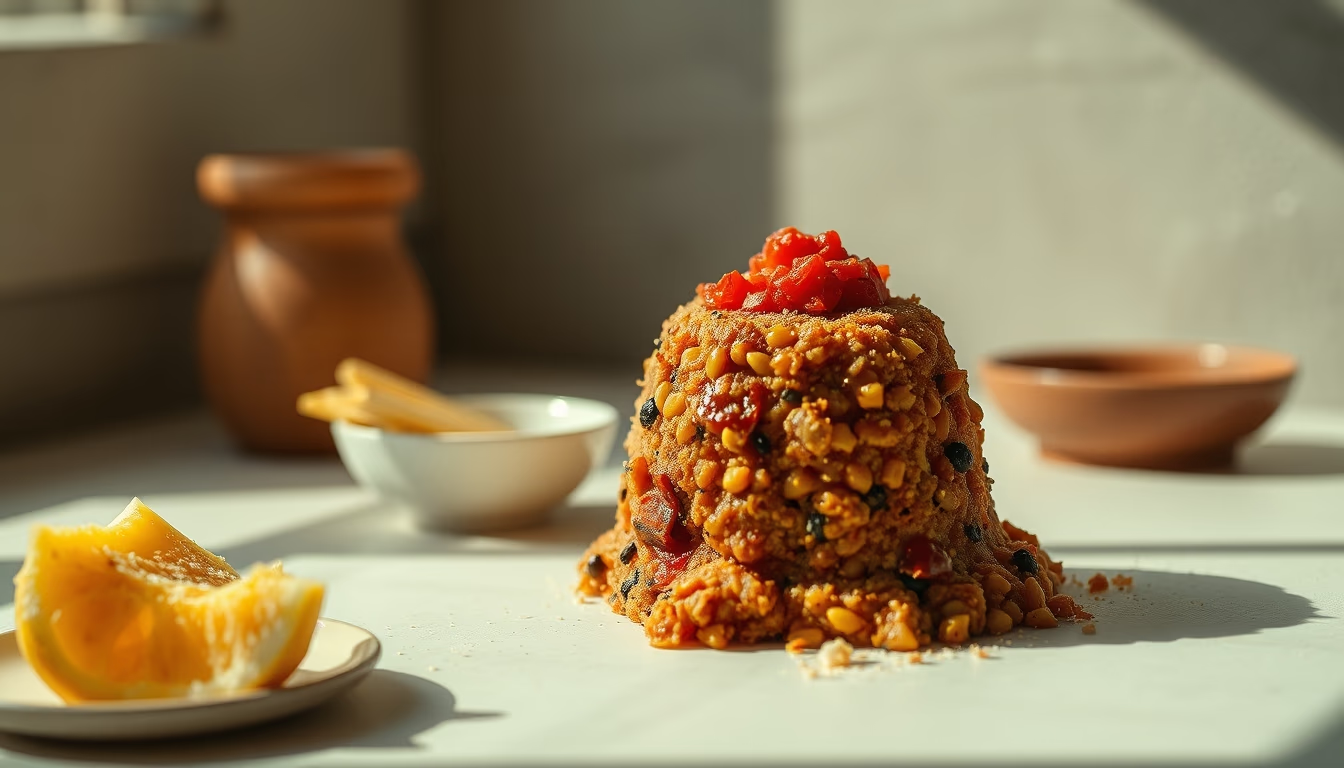
Mofongo is a traditional Puerto Rican dish made from fried green plantains mashed with garlic, pork cracklings, and olive oil.
About this subject
Mofongo is one of the most emblematic dishes of Puerto Rican cuisine, with roots that trace back to the fusion of Taíno, African, and Spanish cultures. Its origin is believed to be linked to the African fufu, a mash of yam or plantain, adapted by enslaved people in the Caribbean islands. The name mofongo may derive from the Kikongo term mofongo, meaning 'to mash with the hands', or from the Spanish mofongo (from Mozambique).
Traditional preparation begins with green plantains cut into rounds and fried until golden. They are then mashed in a wooden mortar (pilón) together with garlic, pork cracklings (chicharrón), and olive oil, forming a compact, flavorful mass. The basic recipe can be enriched with meat or chicken broth, and is often served stuffed or accompanied by meats, seafood, or vegetables. A popular variation is mofongo relleno, which is stuffed with shrimp, lobster, or chicken cooked in a Creole sauce.
Mofongo is more than a meal: it is a symbol of Puerto Rican cultural identity. It appears at festivities, in typical restaurants, and in homes across the island, enjoyed for breakfast as well as dinner. Unlike Dominican mangú, which is a softer, moister purée, mofongo has a firm texture with a crispy exterior. It is also distinguished by being shaped into a half-moon or ball. Because its base is plantain and it contains no wheat flour, mofongo is naturally gluten-free, making it a popular option for those with dietary restrictions.
To enjoy mofongo in its most authentic form, it is recommended to try it at a fritura (fried food restaurant) in Puerto Rico, accompanied by fresh fruit juice. Texture and flavor vary by region and cook, but the balance of garlic, pork fat from the cracklings, and the subtle sweetness of the plantain is the dish's hallmark.
Frequently Asked Questions
What is the origin of mofongo?
Mofongo originates from the fusion of Taíno, African, and Spanish cultures in Puerto Rico. It is believed to be an adaptation of African fufu, a plantain or yam mash brought by enslaved people. The name may come from the Kikongo term mofongo, meaning 'to mash with the hands'.
What is the difference between mofongo and mangú?
Mofongo is Puerto Rican, made with fried green plantains mashed with garlic, pork cracklings, and olive oil, resulting in a firm texture with a crispy exterior. Mangú is Dominican, made with boiled green plantains mashed with butter and onions, forming a softer, moister purée.
Is mofongo gluten-free?
Yes, traditional mofongo is naturally gluten-free because its base is plantain and it contains no wheat flour. However, some variations may include gluten-containing ingredients such as certain sauces or fillings, so it is important to check specific ingredients.
Direct URL
https://pub-c7d6a6ea828543ac903a74a341ccb2e1.r2.dev/imagens/mofongo-puerto-rican-minimalist-composition-fresh9.avifHow to credit
Include a visible link back to UtilizAí. Copy one of the snippets below:
<a href="https://xn--utiliza-eza.com/en/midia/imagens/mofongo-puerto-rican-minimalist-composition-fresh9">Mofongo puerto rican</a> by <a href="https://xn--utiliza-eza.com">UtilizAí</a>, licensed under <a href="https://creativecommons.org/licenses/by/4.0/">CC BY 4.0</a>.
[Mofongo puerto rican](https://xn--utiliza-eza.com/en/midia/imagens/mofongo-puerto-rican-minimalist-composition-fresh9) by [UtilizAí](https://xn--utiliza-eza.com), CC BY 4.0
License: CC-BY-4.0