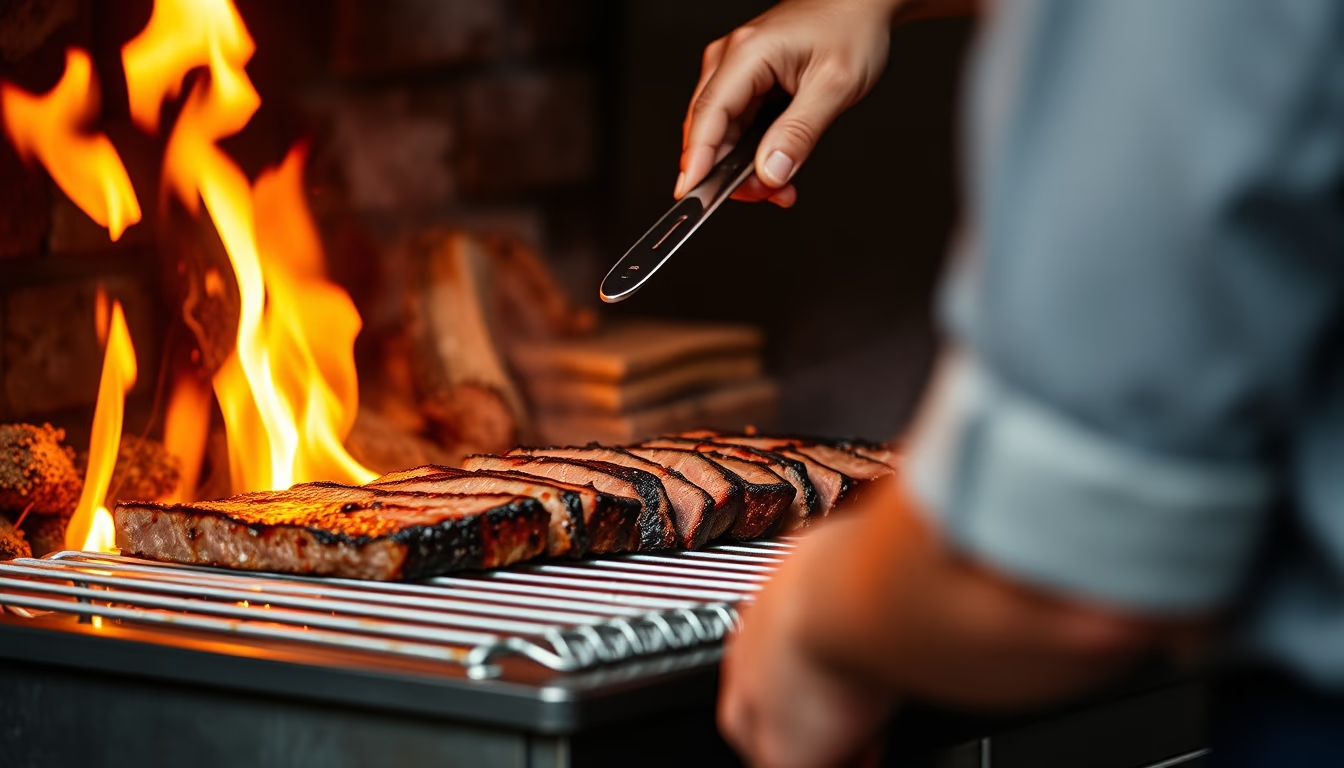
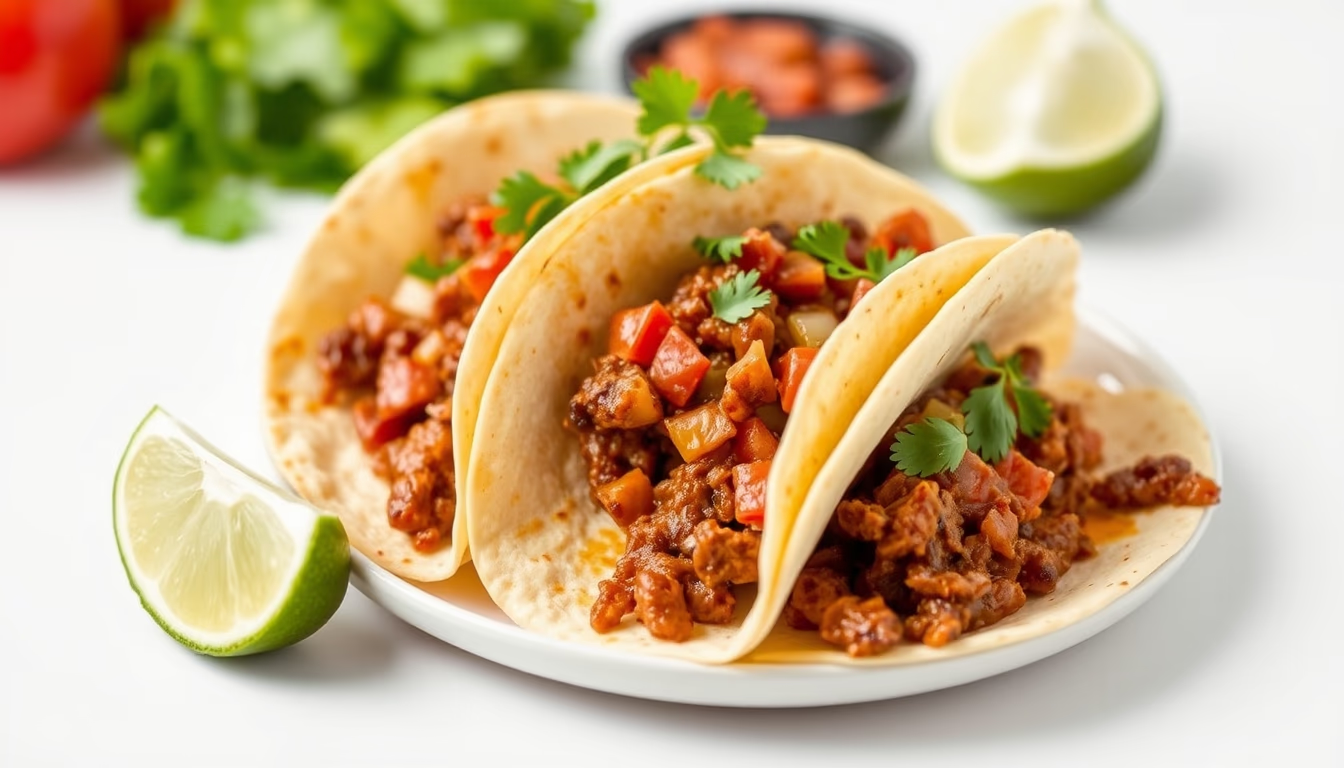
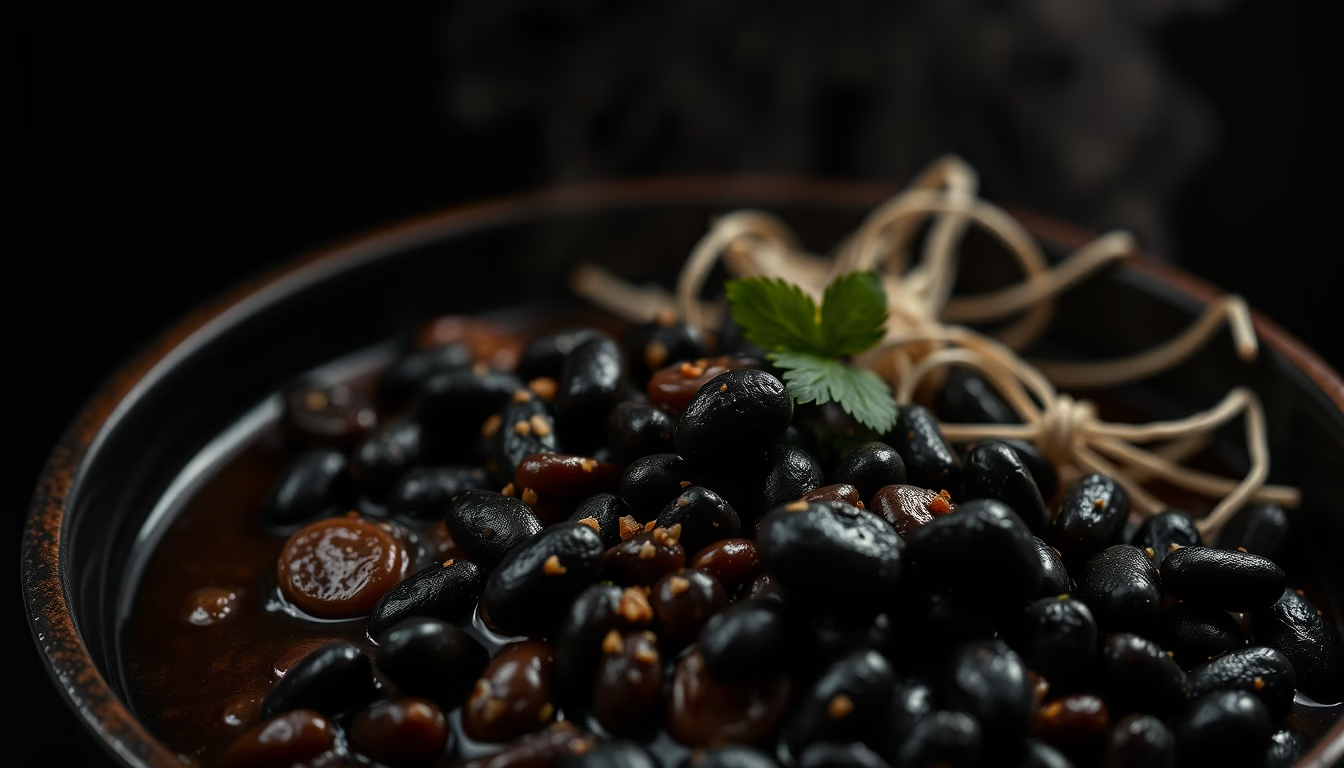
Mofongo puerto rican
1344×768 · AVIF · CC BY 4.0
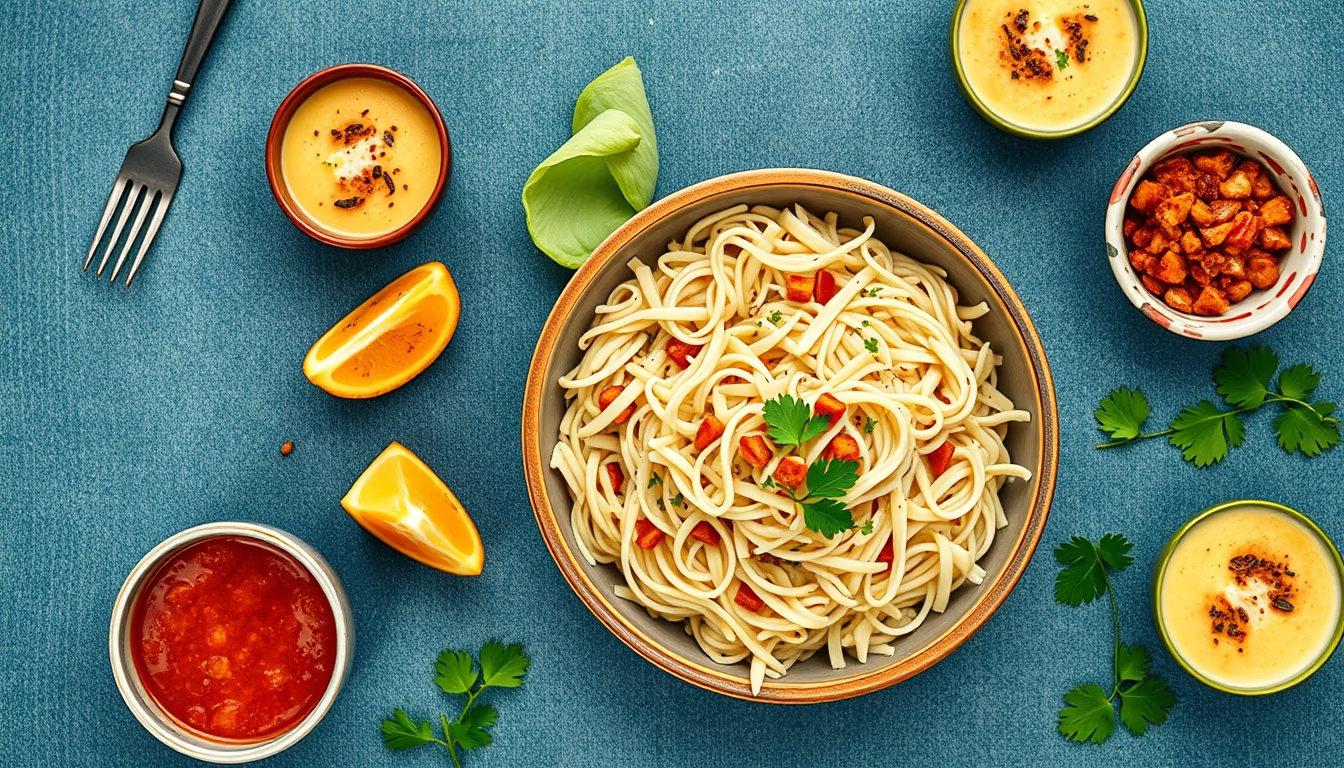
Mofongo is a traditional Puerto Rican dish made from fried green plantains mashed with garlic, olive oil, and pork cracklings.
About this subject
Mofongo is one of the most emblematic dishes of Puerto Rico, with roots that blend African, Taíno, and Spanish influences. Its base is green plantains, fried in pieces and then mashed in a wooden mortar (called a pilón) together with garlic, olive oil, and chicharrón (pork cracklings). The result is a dense, flavorful dough, usually shaped into a ball or cone and served with meat or chicken broth, or stuffed with shrimp, chicken, or pork.
The origins of mofongo trace back to African cuisine brought by slaves, who prepared similar dishes with yam or banana. In Puerto Rico, the recipe was adapted using plantains, abundant on the island, and incorporated local ingredients like garlic and olive oil. Today, mofongo is served in restaurants and homes across Puerto Rico, and is also popular in diaspora communities, especially in New York and Florida.
There are regional variations: mofongo can be made with ripe plantains (called mofongo de plátano maduro) or with additional ingredients like cheese, vegetables, or seafood. A simplified version, called mofongo de harina, uses cornmeal instead of plantains. Texture and flavor vary by region and personal preference, but the dish is always served hot, often accompanied by a vegetable soup or creole sauce.
For Puerto Ricans, mofongo is more than food: it is a symbol of cultural identity. Often present at family gatherings, celebrations, and typical restaurants, it represents the fusion of culinary traditions that define the island's gastronomy. The technique of mashing ingredients in the pilón is a ritual that connects the cook to past generations, and each bite carries the history of a people who transformed simple ingredients into a globally recognized delicacy.
Frequently Asked Questions
What is the difference between mofongo and fufu?
Although both are made from mashed plantains, mofongo is fried before mashing and typically includes garlic, olive oil, and pork cracklings, while fufu (common in African and Caribbean countries like Cuba and Dominican Republic) is boiled and mashed without frying, resulting in a pastier texture.
Is mofongo considered a healthy dish?
Traditional mofongo is high in carbohydrates and fats due to frying and pork cracklings, but it can be adapted with baked or lower-fat versions. Plantains provide fiber, potassium, and vitamins A and C.
How is mofongo traditionally served?
Mofongo is served hot, often shaped into a ball or cone, accompanied by a meat or chicken broth (called mofongo soup) or stuffed with seafood, pork, or chicken. It is frequently garnished with fried plantain slices and criolla sauce.
Direct URL
https://pub-c7d6a6ea828543ac903a74a341ccb2e1.r2.dev/imagens/mofongo-puerto-rican-isometric-flat-lay-fresh0.avifHow to credit
Include a visible link back to UtilizAí. Copy one of the snippets below:
<a href="https://xn--utiliza-eza.com/en/midia/imagens/mofongo-puerto-rican-isometric-flat-lay-fresh0">Mofongo puerto rican</a> by <a href="https://xn--utiliza-eza.com">UtilizAí</a>, licensed under <a href="https://creativecommons.org/licenses/by/4.0/">CC BY 4.0</a>.
[Mofongo puerto rican](https://xn--utiliza-eza.com/en/midia/imagens/mofongo-puerto-rican-isometric-flat-lay-fresh0) by [UtilizAí](https://xn--utiliza-eza.com), CC BY 4.0
License: CC-BY-4.0