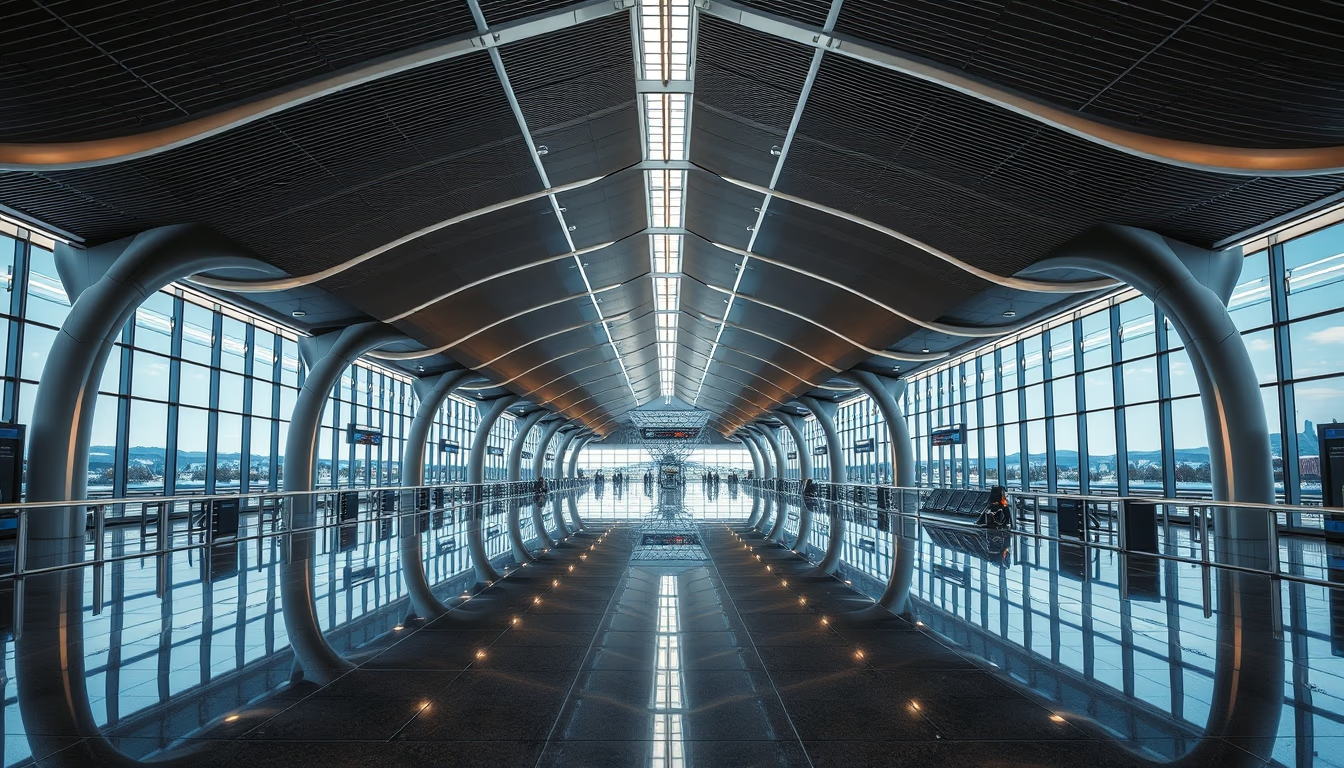
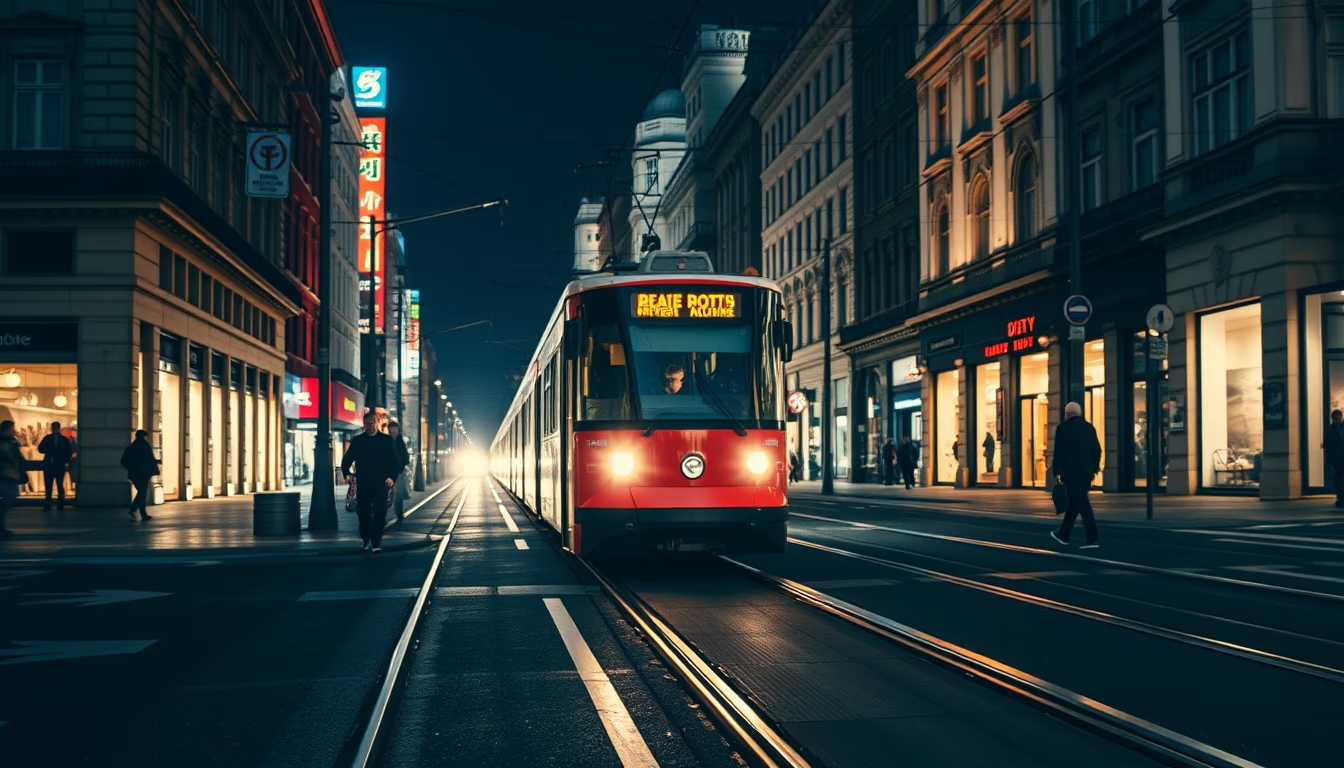
Metro station underground modern
1344×768 · AVIF · CC BY 4.0

Modern metro stations blend functional design, sustainable technology, and user experience, transforming underground public transport.
About this subject
Modern metro stations have evolved from mere boarding points into emblematic public spaces. Designed to handle high passenger flows, they prioritize efficiency, accessibility, and comfort. Architects and engineers employ clean lines, natural lighting, and durable materials to create environments that reduce stress and guide travelers intuitively. International examples include the Naples station (Line 1), known as the “Art Metro,” featuring contemporary art installations, and the Dubai station at Burj Khalifa, which integrates futuristic design with climate control technology.
Technology plays a crucial role in these structures. Efficient ventilation systems, occupancy sensors for LED lighting, and real-time information panels are standard. Many stations adopt sustainable solutions such as rainwater harvesting and solar power to operate escalators. In Brazil, the Faria Lima station (Line 4-Yellow) in São Paulo exemplifies this trend with rooftop solar panels and a water reuse system. Safety is enhanced by smart surveillance cameras and integrated communication networks.
Culturally, modern stations reflect local identities. In Bilbao, Spain, the Abando station uses glass and steel to harmonize with the Guggenheim Museum. In Moscow, stations like Park Pobedy combine technology with Soviet architectural heritage. These spaces become civic landmarks, offering retail areas, exhibitions, and even libraries. User experience is optimized through apps that provide personalized routes, indicate crowding levels, and facilitate contactless payments.
Ongoing maintenance requires careful planning. Anti-graffiti materials, slip-resistant floors, and modular systems ease repairs. Inclusive design with ramps, tactile paving, and Braille signage ensures universal access. Stations like London's King's Cross St. Pancras show how modernization can revitalize urban areas by integrating the metro with long-distance trains and local commerce.
Frequently Asked Questions
What are the key features of a modern metro station?
Modern stations prioritize efficiency, accessibility, and sustainability. They use natural lighting, durable materials, intelligent ventilation systems, and real-time information panels. Inclusive design with ramps and tactile paving is standard.
How does technology improve the passenger experience in metros?
Apps provide personalized routes and crowding alerts, contactless payments speed up boarding, and sensors adjust lighting and ventilation based on demand. Smart cameras and integrated communication enhance safety.
What are famous examples of modern metro stations worldwide?
Naples station (Italy) is known as the 'Art Metro'. The Burj Khalifa station in Dubai features futuristic design. In Brazil, Faria Lima station in São Paulo uses solar power and water reuse.
Direct URL
https://pub-c7d6a6ea828543ac903a74a341ccb2e1.r2.dev/imagens/metro-station-underground-modern-film-grain-authentic-p0.avifHow to credit
Include a visible link back to UtilizAí. Copy one of the snippets below:
<a href="https://xn--utiliza-eza.com/en/midia/imagens/metro-station-underground-modern-film-grain-authentic-p0">Metro station underground modern</a> by <a href="https://xn--utiliza-eza.com">UtilizAí</a>, licensed under <a href="https://creativecommons.org/licenses/by/4.0/">CC BY 4.0</a>.
[Metro station underground modern](https://xn--utiliza-eza.com/en/midia/imagens/metro-station-underground-modern-film-grain-authentic-p0) by [UtilizAí](https://xn--utiliza-eza.com), CC BY 4.0
License: CC-BY-4.0