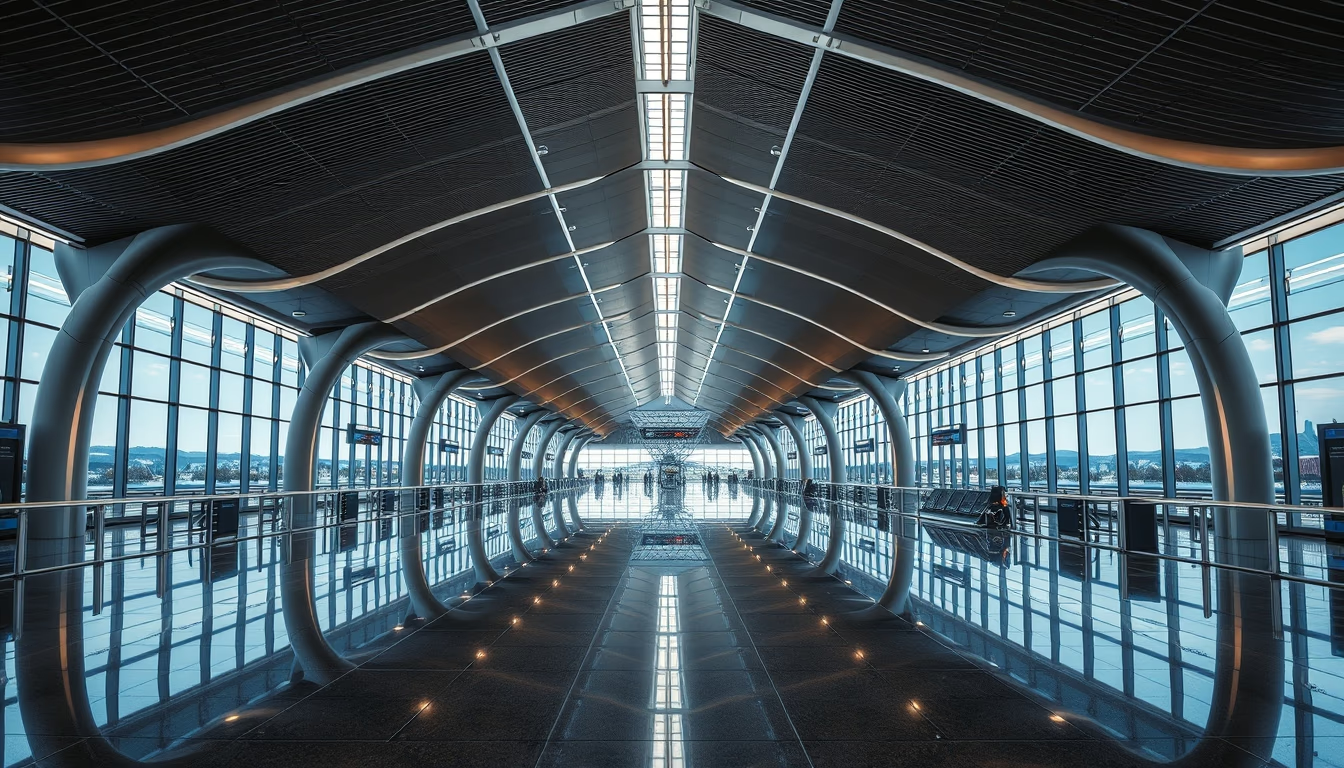
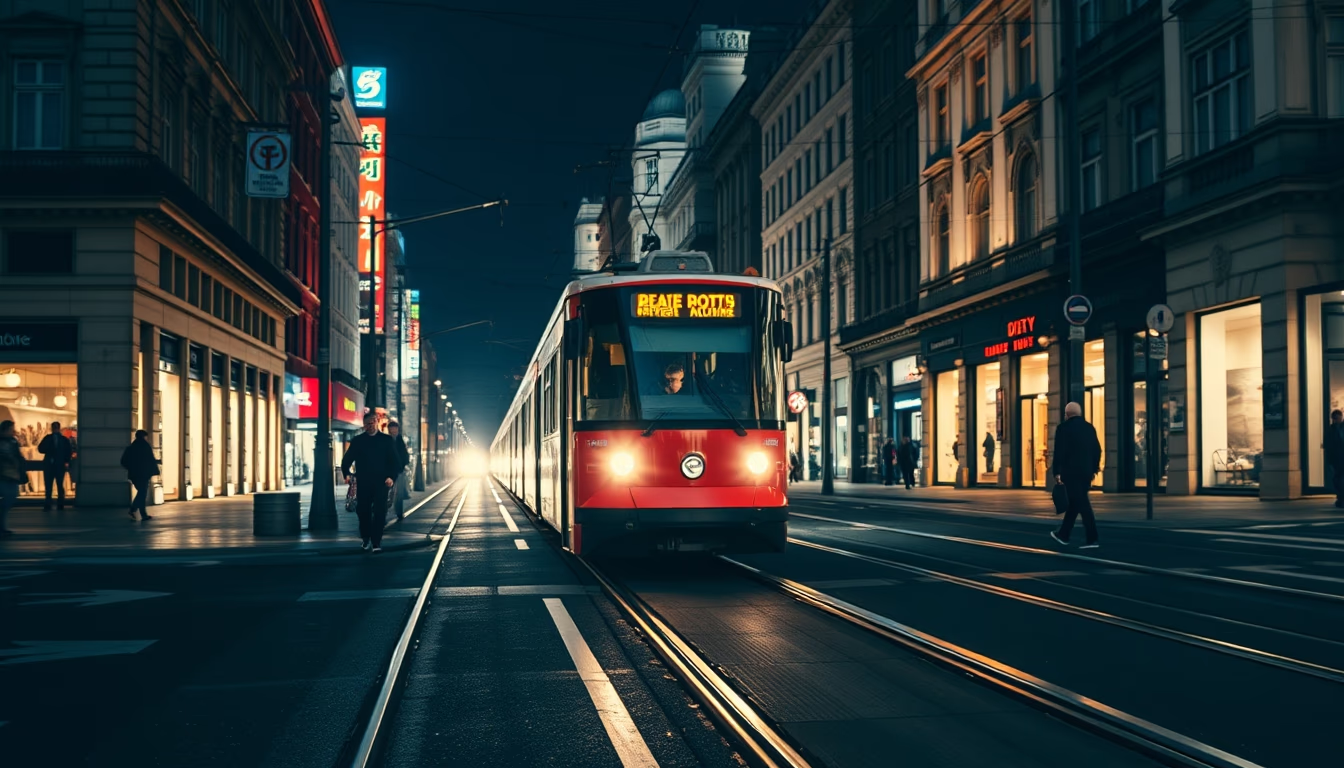
Metro station underground modern
1344×768 · AVIF · CC BY 4.0
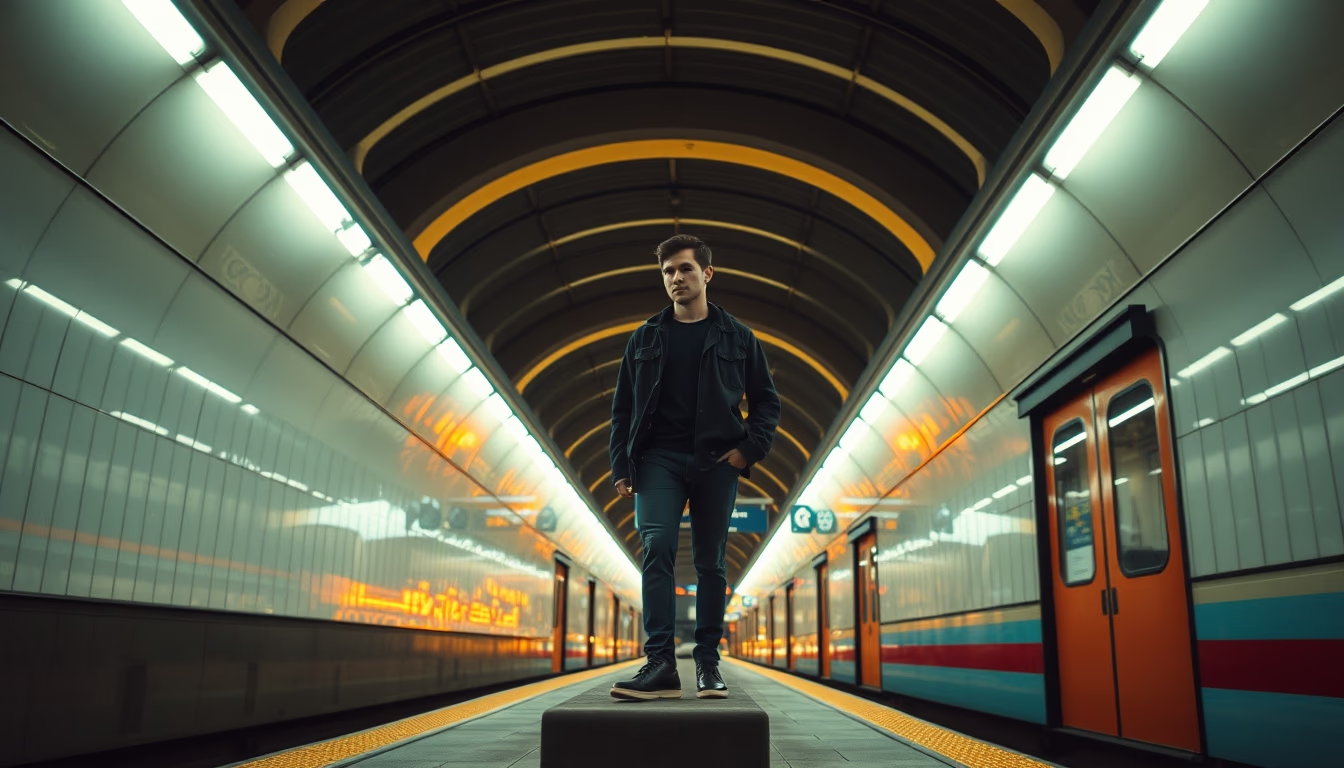
Modern metro stations combine functional architecture, cutting-edge technology, and efficient passenger flow in major urban centers.
About this subject
Contemporary metro stations are designed to handle high daily passenger volumes, often exceeding hundreds of thousands of people. Cities like Shanghai, Tokyo, and London have some of the busiest metro systems in the world, with stations operating 24 hours in some cases. The architecture of these spaces prioritizes rapid circulation, with spacious halls, high-capacity escalators, and digital signage systems that guide users in real time. Additionally, integration with other modes of transport, such as regional trains and buses, is a fundamental requirement, creating true multimodal transport hubs.
Technology plays a central role in the operation of these stations. Automatic ticketing systems with contactless cards or contactless payment reduce queues, while presence sensors and intelligent surveillance cameras monitor passenger flow to prevent overcrowding. In many modern stations, such as those on the Jubilee Line in London or the Dubai Metro, design also incorporates sustainable elements like LED lighting and ventilation systems that reduce energy consumption. These features not only improve the passenger experience but also contribute to operational efficiency.
Historically, the evolution of metro stations reflects urban growth. The first stations, like Baker Street in London (1863), were simple and dimly lit, while recent constructions prioritize universal accessibility and aesthetics. Notable examples include Stockholm Central Station with its natural rock caves and Toledo Station in Naples, which showcases contemporary art. The current trend is complete digitalization: informational screens, push communication systems, and even driverless stations, like on the Copenhagen Metro line.
For the average user, the experience in a modern station begins long before boarding. Route planning apps, interactive maps, and free Wi-Fi are common. In more innovative stations, such as those in the Moscow Metro, there are even libraries and cultural spaces. Safety is also a priority: smoke detectors, clearly marked emergency exits, and multi-language communication systems ensure passenger confidence. In summary, modern metro stations are microcosms of urban life, where efficiency, technology, and design meet.
Frequently Asked Questions
What are the most modern metro stations in the world?
Stations like Dubai's Red Line, Stockholm Central Station, and the Jubilee Line in London are examples of modern design with advanced technology, accessibility, and sustainability.
How does technology improve the passenger experience on the metro?
Contactless ticketing systems, real-time information screens, occupancy sensors, and free Wi-Fi streamline boarding and offer more comfort and safety.
What characterizes a sustainable metro station?
LED lighting, efficient ventilation systems, use of renewable energy, and recyclable materials are common, reducing environmental impact and operational costs.
Direct URL
https://pub-c7d6a6ea828543ac903a74a341ccb2e1.r2.dev/imagens/metro-station-underground-modern-cinematic-wide-shot-p3.avifHow to credit
Include a visible link back to UtilizAí. Copy one of the snippets below:
<a href="https://xn--utiliza-eza.com/en/midia/imagens/metro-station-underground-modern-cinematic-wide-shot-p3">Metro station underground modern</a> by <a href="https://xn--utiliza-eza.com">UtilizAí</a>, licensed under <a href="https://creativecommons.org/licenses/by/4.0/">CC BY 4.0</a>.
[Metro station underground modern](https://xn--utiliza-eza.com/en/midia/imagens/metro-station-underground-modern-cinematic-wide-shot-p3) by [UtilizAí](https://xn--utiliza-eza.com), CC BY 4.0
License: CC-BY-4.0