Metro station underground modern
1344×768 · AVIF · CC BY 4.0
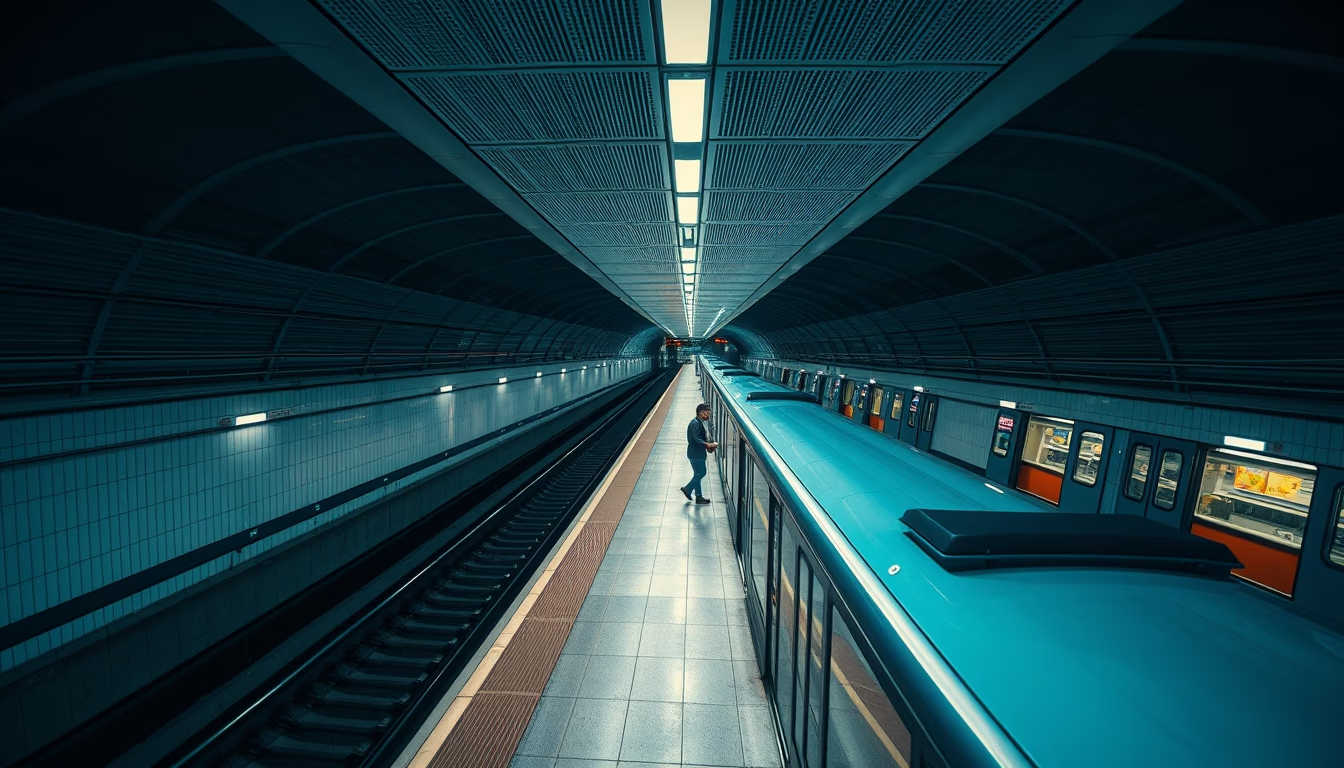
Modern underground metro stations combine innovative architecture, energy efficiency, and accessibility for millions of daily passengers.
About this subject
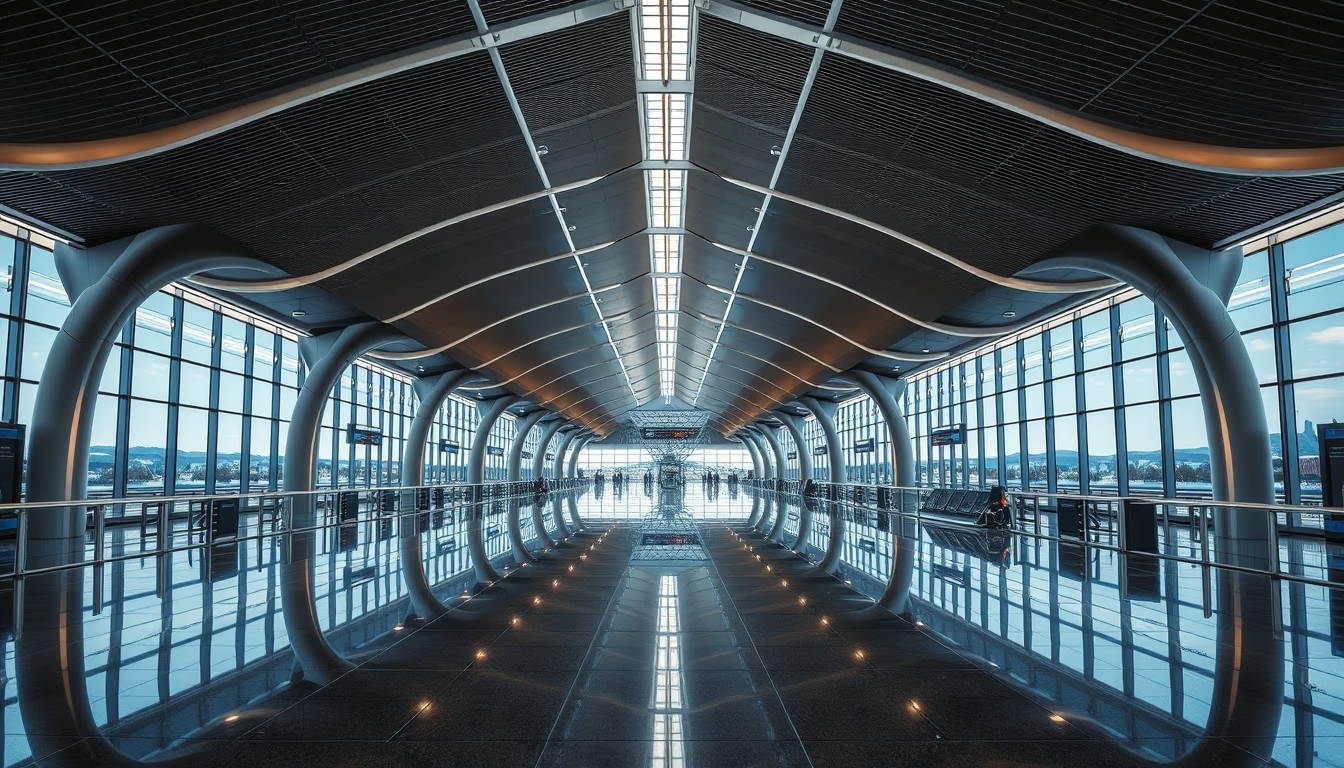
Modern underground metro stations represent a significant advance in urban transport infrastructure. They are designed not only for functionality but also to provide a pleasant user experience, with wide open spaces, strategic natural lighting, and state-of-the-art ventilation systems. Notable examples include Stockholm's T-Centralen station, known for its painted rock caves, and Lisbon's Oriente Station, which integrates glass and concrete in a bold design.
Technology plays a crucial role in these stations. Automated ticketing systems, real-time information panels, and Wi-Fi connectivity are standard. Many modern stations also incorporate sustainable practices such as rainwater harvesting, solar panels for lighting, and recycled materials in construction. Copenhagen's metro station, for instance, uses laminated glass to reduce energy consumption.
Accessibility is another priority. Level platforms, spacious elevators, and tactile signage ensure that people with reduced mobility can navigate easily. Additionally, modular design allows for future adaptations, such as the installation of platform screen doors for safety. Cities like Dubai and Singapore invest in stations that function as transport hubs, connecting metro, bus, and bike lanes in one location.
Culturally, these stations become urban landmarks. Moscow and Saint Petersburg are famous for their stations adorned with chandeliers and mosaics, while cities like Hong Kong prioritize efficiency and integration with shopping malls. The current trend balances aesthetics with functionality, creating spaces that invite lingering even during short journeys.
Frequently Asked Questions
What is the most beautiful metro station in the world?
There is no consensus, but stations like Stockholm's T-Centralen, Moscow's Komsomolskaya, and Lisbon's Oriente Station are often cited for their stunning architecture and artistic integration.
How do modern stations improve the passenger experience?
They offer natural lighting, spacious layouts, clear signage, air conditioning, free Wi-Fi, and real-time information systems, reducing stress and travel time.
What are the trends in metro station design?
Trends include sustainability (solar panels, recycled materials), full accessibility, multimodal integration (metro, bus, bikes), and the use of public art to create local identity.
Direct URL
https://pub-c7d6a6ea828543ac903a74a341ccb2e1.r2.dev/imagens/metro-station-underground-modern-aerial-drone-shot-p5.avifHow to credit
Include a visible link back to UtilizAí. Copy one of the snippets below:
<a href="https://xn--utiliza-eza.com/en/midia/imagens/metro-station-underground-modern-aerial-drone-shot-p5">Metro station underground modern</a> by <a href="https://xn--utiliza-eza.com">UtilizAí</a>, licensed under <a href="https://creativecommons.org/licenses/by/4.0/">CC BY 4.0</a>.
[Metro station underground modern](https://xn--utiliza-eza.com/en/midia/imagens/metro-station-underground-modern-aerial-drone-shot-p5) by [UtilizAí](https://xn--utiliza-eza.com), CC BY 4.0
License: CC-BY-4.0