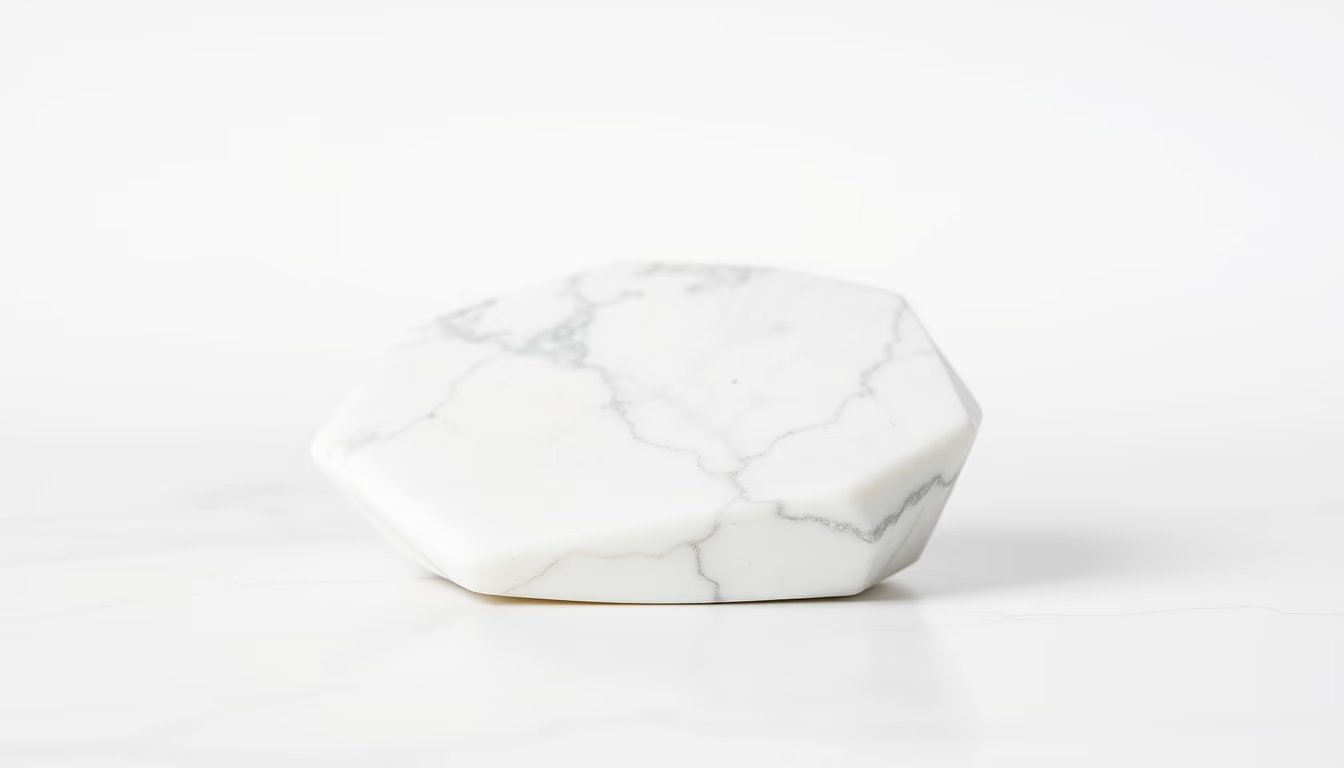
Metallic chrome reflection
1344×768 · AVIF · CC BY 4.0

Chrome metallic surfaces produce striking reflections, used in design, automobiles, and art. Learn about the metallic aesthetic that dominates trends.
About this subject
Metallic chrome is obtained through the electroplating process of chromium plating, which deposits a thin layer of chromium onto a surface, usually metal. Developed in the early 20th century, chrome plating quickly became popular for its corrosion resistance and mirror-like shine. During the 1950s and 1960s, chrome was widely used in the American automotive industry, especially on bumpers, grilles, and interior trim, becoming a symbol of status and modernity. Cars like the Chevrolet Bel Air and Cadillac Eldorado featured extensive chrome surfaces, reflecting the postwar economic optimism.
In contemporary architecture, chrome reappears on facades, sculptures, and furniture, exploiting its ability to reflect and distort the environment. The Gherkin building in London, though not chromed, uses glass to create similar reflective effects. In interiors, stainless steel and polished aluminum have replaced chrome in many contexts, but chrome finishes are still sought after in iconic design objects, such as Marcel Breuer's B32 chair series and Alessi utensils. Chrome aesthetics also pervade pop culture, from robots to science fiction films, reinforcing a futuristic visual.
However, chrome production carries significant environmental impacts. The plating process uses toxic compounds, such as hexavalent chromium, classified as carcinogenic. Stricter regulations in the European Union and the United States have led to alternatives like trivalent chromium plating and vacuum deposition coatings. Despite this, chrome's metallic shine remains associated with premium quality and durability, staying relevant in sectors like jewelry, electronics, and vehicle customization. Chrome reflection, with its interplay of light and distortion, continues to be a powerful visual resource in communication and design.
Frequently Asked Questions
What is metallic chrome?
Metallic chrome is a shiny, corrosion-resistant chemical element often applied as a decorative or functional coating on other metals through electroplating.
Why is chrome used on classic cars?
Chrome provided shine and rust protection, while symbolizing luxury and modernity. Chrome bumpers and exterior details were hallmarks of American cars from the 1950s and 1960s.
Is chrome sustainable?
Traditional chrome plating uses hexavalent chromium, which is toxic and carcinogenic. Alternatives like trivalent chromium and vacuum processes reduce risks, but waste disposal still requires care. Recycling of chrome-plated parts is possible but limited.
Direct URL
https://pub-c7d6a6ea828543ac903a74a341ccb2e1.r2.dev/imagens/metallic-chrome-reflection-magazine-editorial-p1.avifHow to credit
Include a visible link back to UtilizAí. Copy one of the snippets below:
<a href="https://xn--utiliza-eza.com/en/midia/imagens/metallic-chrome-reflection-magazine-editorial-p1">Metallic chrome reflection</a> by <a href="https://xn--utiliza-eza.com">UtilizAí</a>, licensed under <a href="https://creativecommons.org/licenses/by/4.0/">CC BY 4.0</a>.
[Metallic chrome reflection](https://xn--utiliza-eza.com/en/midia/imagens/metallic-chrome-reflection-magazine-editorial-p1) by [UtilizAí](https://xn--utiliza-eza.com), CC BY 4.0
License: CC-BY-4.0