Memory foam pillow
1344×768 · AVIF · CC BY 4.0
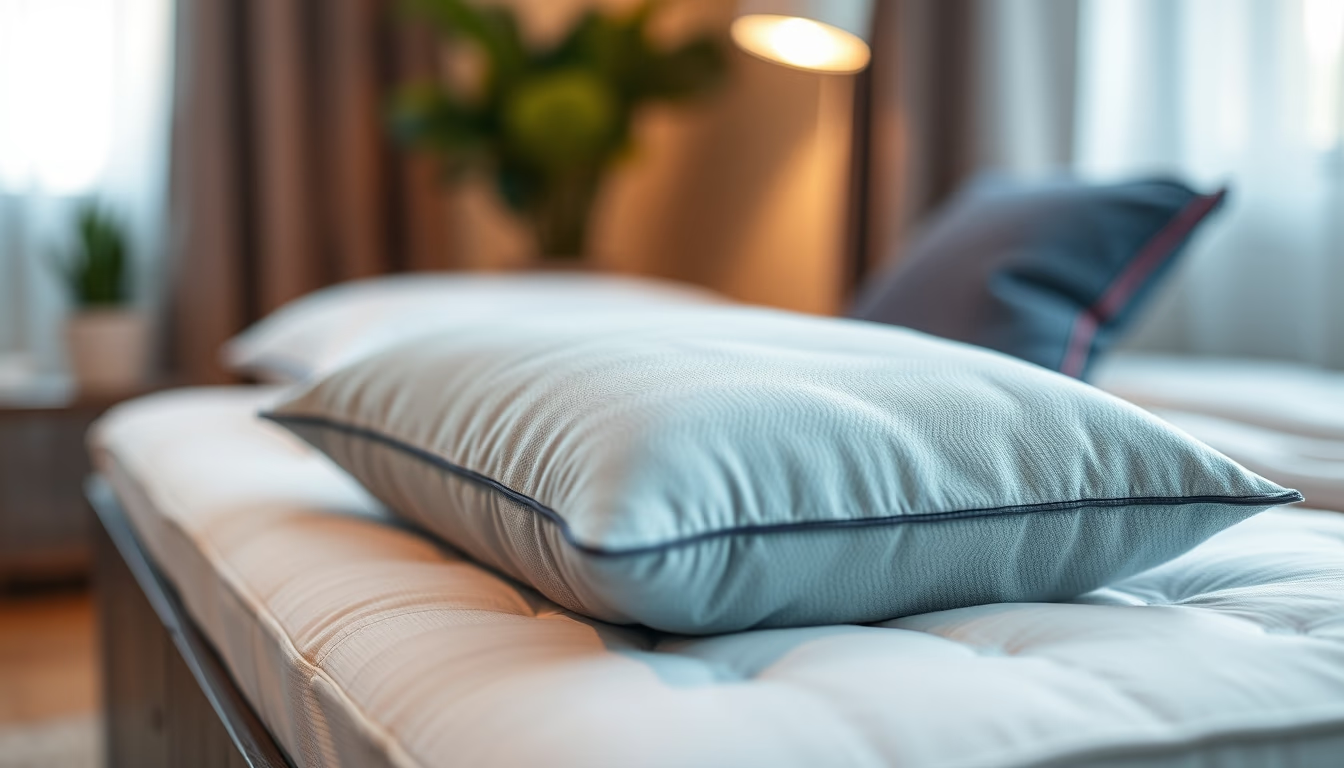
Discover the benefits and technology behind memory foam pillows, which revolutionized night comfort.
About this subject
Memory foam pillows trace their origin to the 1960s, when NASA developed the material for aircraft seat cushioning to improve crash safety. It wasn't until the 1990s that memory foam entered the consumer market, prized for its pressure-relieving properties and ability to conform to the sleeper's head and neck shape.
The material is a polyurethane foam with added viscosity agents that make it slow-responding and temperature-sensitive. This viscoelastic behavior allows the pillow to soften where it contacts body heat, offering a customized support surface. Modern versions often include gel layers or open-cell structures to mitigate heat retention, a common complaint in earlier models.
Research shows that memory foam pillows can reduce neck pain and improve sleep quality, especially for side sleepers. The ideal firmness and loft depend on the sleeper's size and sleep position: back sleepers typically need medium loft, while stomach sleepers require thinner, softer pillows. The lifespan of a quality memory foam pillow ranges from two to four years, with higher-density foams lasting longer.
In global markets, including Brazil, these pillows gained widespread popularity in the 2000s as part of a broader health and wellness trend. Today, they are available from countless brands, often featuring certifications like CertiPUR for foam safety and Oeko-Tex for fabric. Care involves spot-cleaning the outer cover only, as the foam core cannot be washed without damage.
Frequently Asked Questions
What is the difference between memory foam and regular foam?
Memory foam (viscoelastic) reacts to heat and pressure, conforming to the body and slowly returning to its original shape. Regular polyurethane foam is more responsive and offers less contouring.
How do I choose the right memory foam pillow height?
For side sleepers, the height should fill the gap between the mattress and neck to keep the spine aligned. Back sleepers need medium loft; stomach sleepers require thin, soft pillows. Personal testing is ideal.
Do memory foam pillows get hot?
Traditional memory foam can retain heat, but modern versions incorporate gel, copper, or open-cell structures to improve airflow and reduce warmth. Always check product specifications.
Direct URL
https://pub-c7d6a6ea828543ac903a74a341ccb2e1.r2.dev/imagens/memory-foam-pillow-tilt-shift-miniature-fresh7.avifHow to credit
Include a visible link back to UtilizAí. Copy one of the snippets below:
<a href="https://xn--utiliza-eza.com/en/midia/imagens/memory-foam-pillow-tilt-shift-miniature-fresh7">Memory foam pillow</a> by <a href="https://xn--utiliza-eza.com">UtilizAí</a>, licensed under <a href="https://creativecommons.org/licenses/by/4.0/">CC BY 4.0</a>.
[Memory foam pillow](https://xn--utiliza-eza.com/en/midia/imagens/memory-foam-pillow-tilt-shift-miniature-fresh7) by [UtilizAí](https://xn--utiliza-eza.com), CC BY 4.0
License: CC-BY-4.0