Memory foam pillow
1344×768 · AVIF · CC BY 4.0
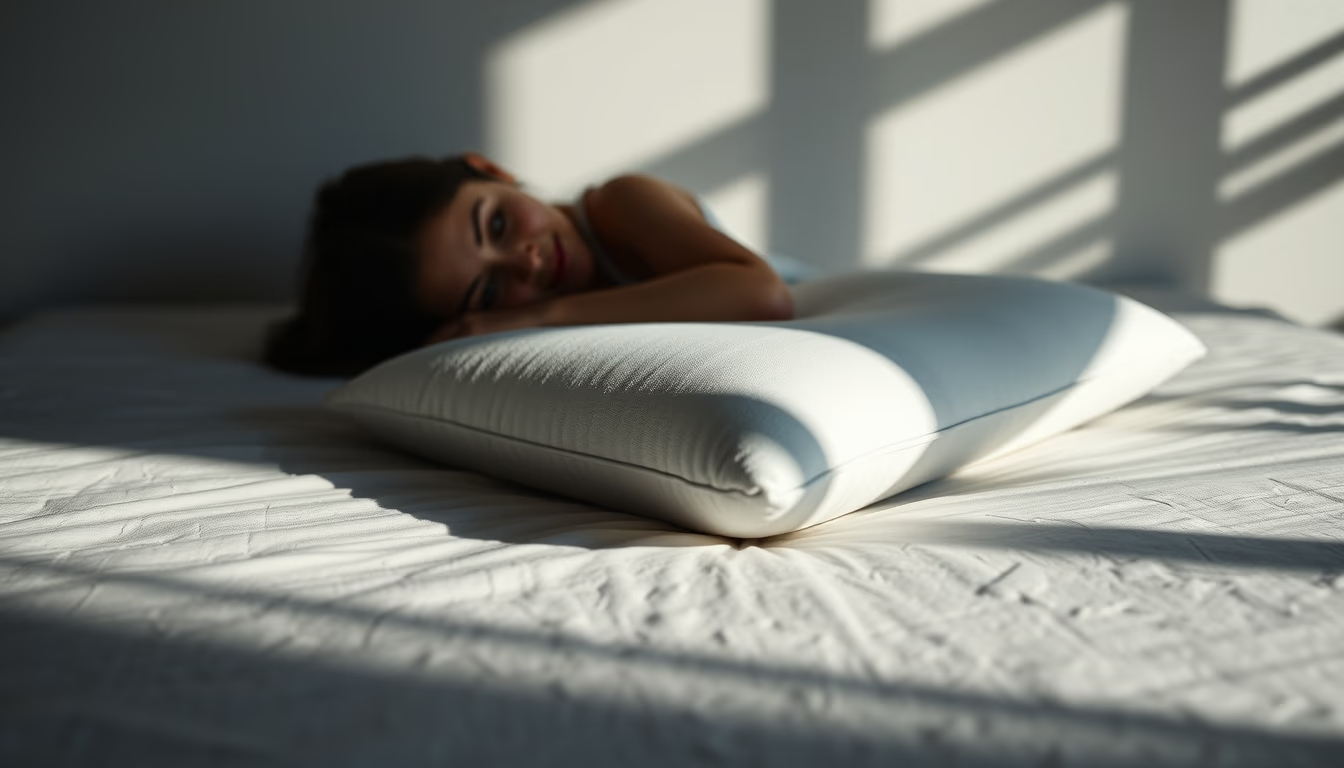
The memory foam pillow, made of viscoelastic material, revolutionized sleep comfort by contouring to the body and relieving pressure points.
About this subject
Originally developed by NASA in the 1960s to cushion astronauts during liftoff, memory foam entered the consumer market in the 1980s. Its composition of polyurethane with viscosity-increasing additives allows the material to conform to body heat and weight, slowly returning to its original shape. This “memory” effect reduces the need to fluff the pillow during the night and can help maintain proper cervical spine alignment.
In the United States and other markets, memory foam pillows gained widespread popularity in the early 2000s, driven by marketing about neck pain relief and sleep quality. Models vary in density (40 to 100 kg/m³), with gel-infused options to dissipate heat and combat the material's tendency to retain warmth. Unlike traditional down or fiber pillows, memory foam provides a firm, contouring feel that may not suit those who prefer a soft, fluffy sensation.
Studies show memory foam can reduce pressure on the head and shoulders by up to 30% compared to down pillows, making it a common recommendation for side and back sleepers. However, lack of breathability remains a drawback: many pillows now incorporate airflow channels or open-cell foam to improve ventilation. The global memory foam pillow market was valued at $2.3 billion in 2023, with growth fueled by demand for personalized sleep solutions.
Fun fact: viscoelastic foam is also used in mattresses, helmets, and medical prosthetics. Recent pillow innovations include adjustable height layers and cooling covers. The ideal pillow choice depends on sleep position: higher loft for side sleepers, medium for back sleepers, and low for stomach sleepers.
Frequently Asked Questions
Can memory foam cause allergies?
Generally no, as it is hypoallergenic and resistant to dust mites and mold. However, sensitive individuals may react to volatile organic compounds (VOCs) emitted initially. Look for CertiPUR or OEKO-TEX certified pillows to ensure low emissions.
What is the difference between memory foam and standard polyurethane foam?
Memory foam has higher density and viscoelastic properties: it molds to heat and pressure and returns slowly. Standard foam is firmer and returns quickly without contouring to the body.
How to clean a memory foam pillow?
Do not machine wash the foam. Remove the cover and wash it per instructions. Clean the foam with a damp cloth and mild soap, rinse, and air dry in shade. Direct sunlight can damage the material.
Direct URL
https://pub-c7d6a6ea828543ac903a74a341ccb2e1.r2.dev/imagens/memory-foam-pillow-rembrandt-lighting-dramatic-shadows-fresh8.avifHow to credit
Include a visible link back to UtilizAí. Copy one of the snippets below:
<a href="https://xn--utiliza-eza.com/en/midia/imagens/memory-foam-pillow-rembrandt-lighting-dramatic-shadows-fresh8">Memory foam pillow</a> by <a href="https://xn--utiliza-eza.com">UtilizAí</a>, licensed under <a href="https://creativecommons.org/licenses/by/4.0/">CC BY 4.0</a>.
[Memory foam pillow](https://xn--utiliza-eza.com/en/midia/imagens/memory-foam-pillow-rembrandt-lighting-dramatic-shadows-fresh8) by [UtilizAí](https://xn--utiliza-eza.com), CC BY 4.0
License: CC-BY-4.0