Mediterranean olive plantation aerial
1344×768 · AVIF · CC BY 4.0
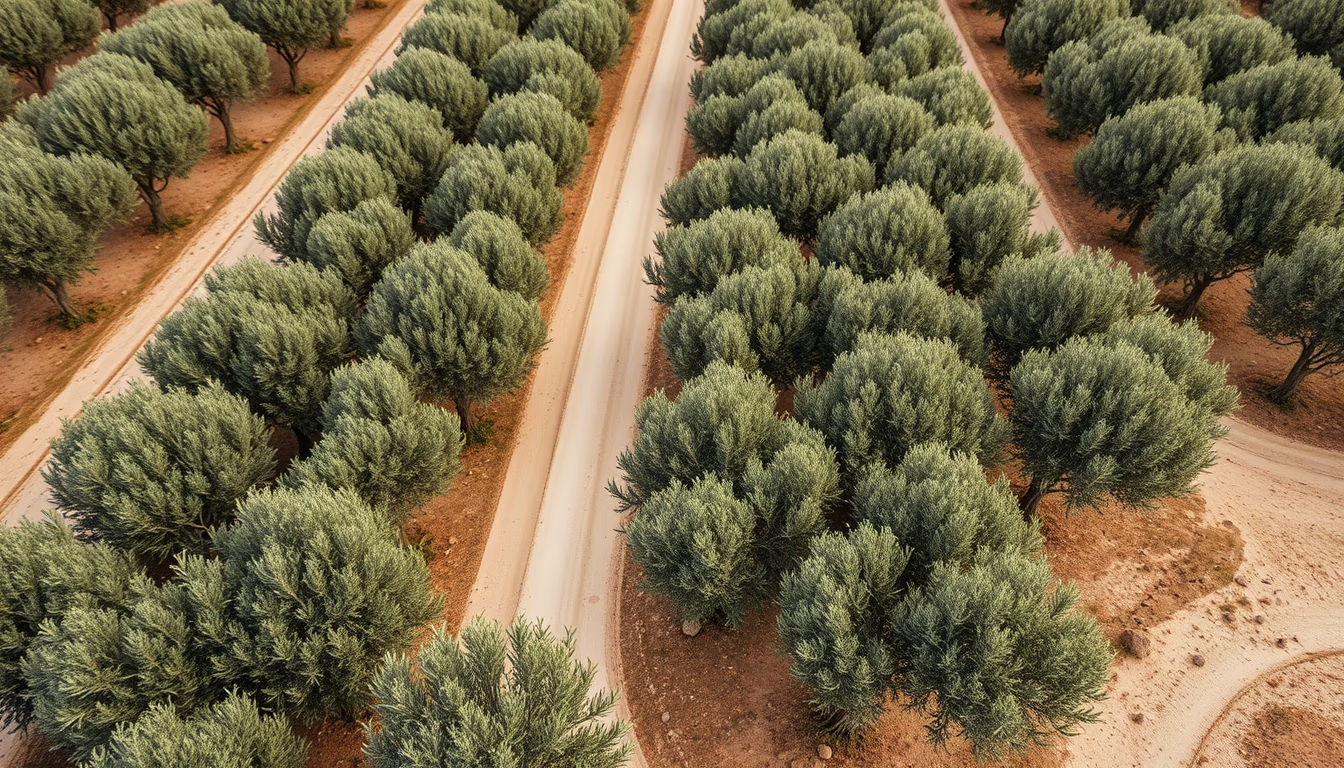
Century-old olive trees create geometric patterns in Mediterranean plantations, a region responsible for 95% of the world's olive oil production.
About this subject
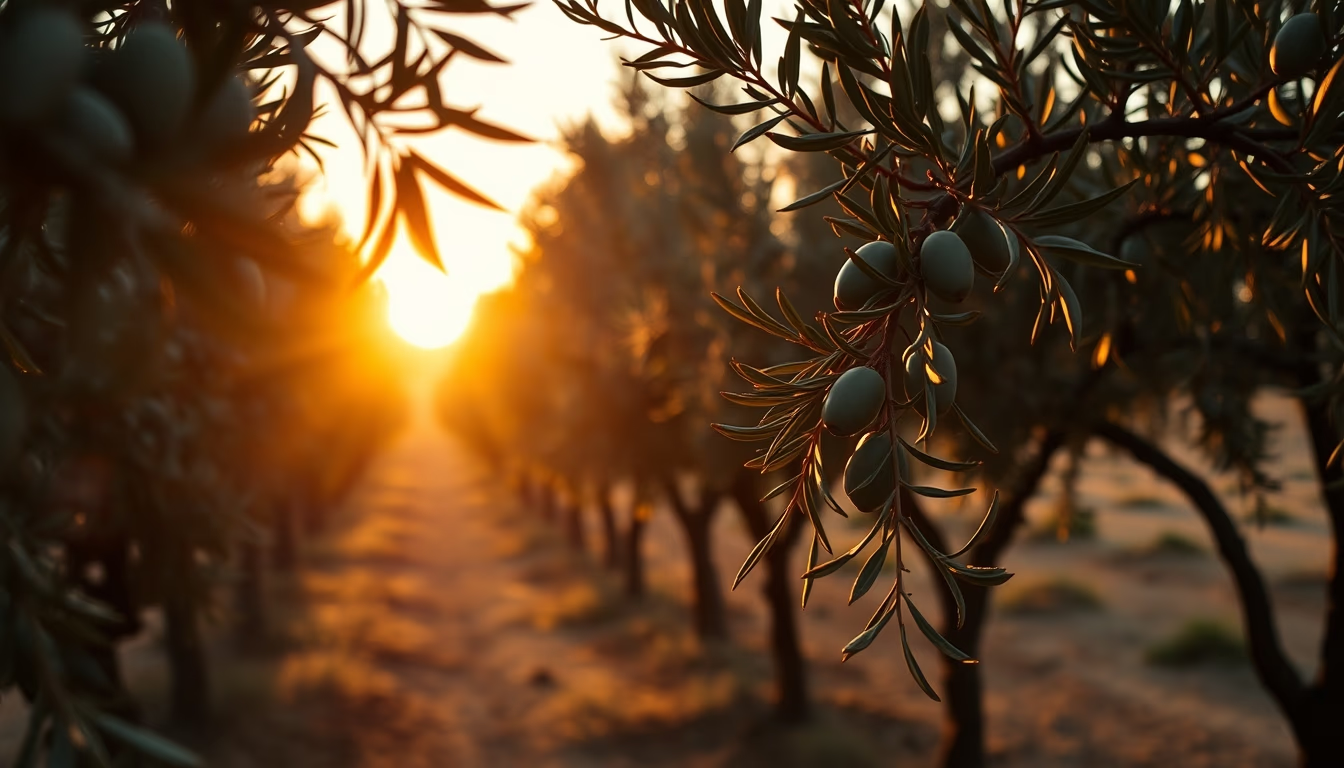
Mediterranean olive plantations represent one of the oldest and most iconic agricultural systems worldwide. Cultivated for over 6,000 years, olive trees (Olea europaea) thrive in the Mediterranean climate, characterized by dry summers and mild winters. Spain, Italy, Greece, Portugal, Morocco, and Turkey account for the vast majority of global production, with Spain alone producing about 40% of the world's olive oil. Plantations are often arranged in neat rows or terraced hillsides, optimizing water and sunlight capture in rugged terrain. Some trees are over a thousand years old, such as the olive trees of Luras in Sardinia or those in Beja, Portugal, considered living heritage.
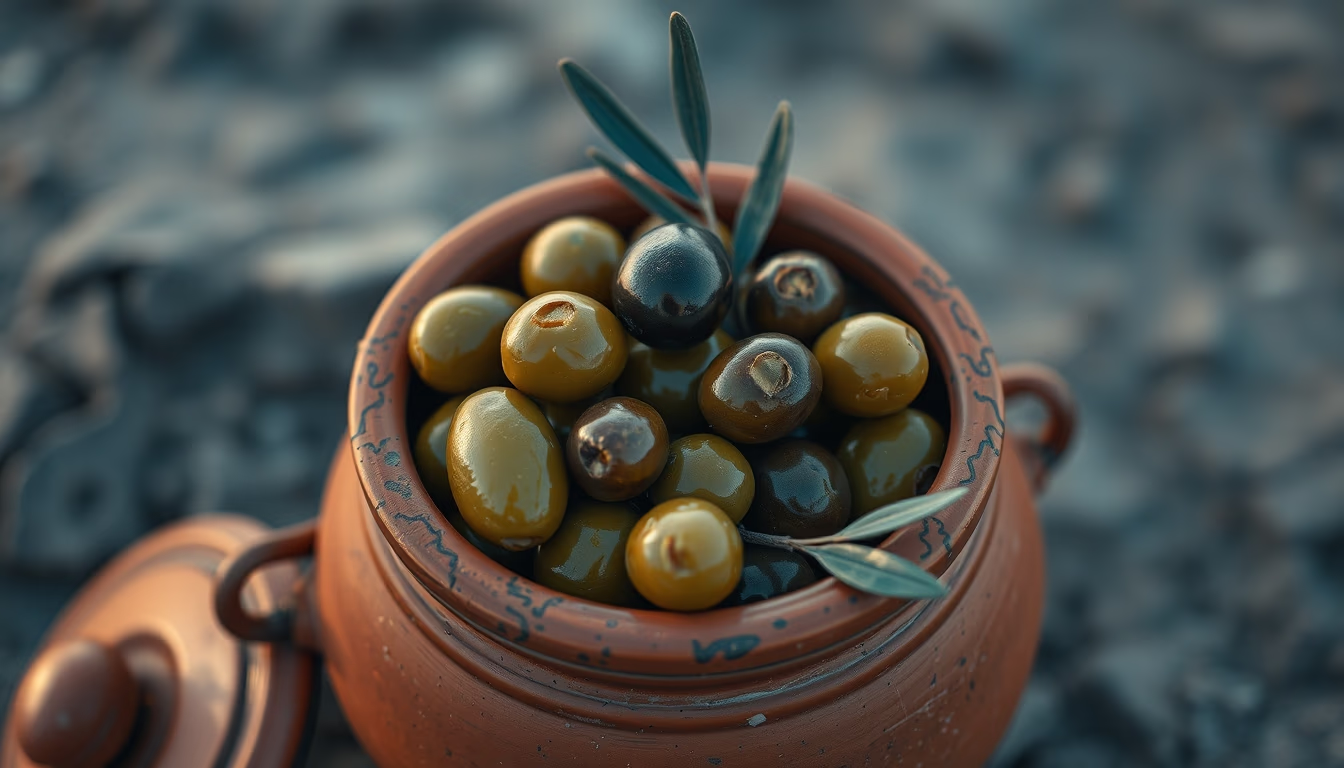
Beyond olive oil, table olives are a significant product, with varieties like Manzanilla (Spain), Kalamata (Greece), and Taggiasca (Italy). Cultivation requires careful management, including pruning, controlled irrigation, and harvesting, which can be manual or mechanical. Manual harvesting, though more expensive, preserves fruit quality and remains traditional in mountainous areas. The olives are pressed to extract oil, a process dating back to antiquity, and today follows strict quality standards such as Protected Designation of Origin (PDO).
Olive groves also serve an ecological role, preventing soil erosion on slopes and providing habitat for birds and pollinators. However, intensive monoculture and agrochemical use have raised environmental concerns, driving organic and integrated farming practices. The traditional system with widely spaced trees and grazing between rows is recognized by UNESCO as agricultural heritage in regions like Andalusia and Tuscany. Notably, the olive tree is among the longest-living trees on Earth, with specimens over 2,000 years old still bearing fruit.
Frequently Asked Questions
How long do olive trees live?
Olive trees are extremely long-lived, often reaching hundreds or even thousands of years. Some specimens over 2,000 years old still produce fruit, such as those in Beja (Portugal) and Luras (Sardinia).
What is the difference between extra virgin and virgin olive oil?
Extra virgin olive oil has a maximum acidity of 0.8% and is obtained solely by mechanical means, with no sensory defects. Virgin olive oil has acidity up to 2.0% and may have minor defects. Both are cold-pressed, but extra virgin is regarded as the highest quality.
Why is the Mediterranean ideal for olive cultivation?
The Mediterranean climate provides hot, dry summers, mild winters, and moderate rainfall, perfect for olive tree flowering and fruiting. The region's calcareous, well-drained soil also supports tree growth.
Direct URL
https://pub-c7d6a6ea828543ac903a74a341ccb2e1.r2.dev/imagens/mediterranean-olive-plantation-aerial-studio-still-life-p12.avifHow to credit
Include a visible link back to UtilizAí. Copy one of the snippets below:
<a href="https://xn--utiliza-eza.com/en/midia/imagens/mediterranean-olive-plantation-aerial-studio-still-life-p12">Mediterranean olive plantation aerial</a> by <a href="https://xn--utiliza-eza.com">UtilizAí</a>, licensed under <a href="https://creativecommons.org/licenses/by/4.0/">CC BY 4.0</a>.
[Mediterranean olive plantation aerial](https://xn--utiliza-eza.com/en/midia/imagens/mediterranean-olive-plantation-aerial-studio-still-life-p12) by [UtilizAí](https://xn--utiliza-eza.com), CC BY 4.0
License: CC-BY-4.0