Mediterranean olive plantation aerial
1344×768 · AVIF · CC BY 4.0
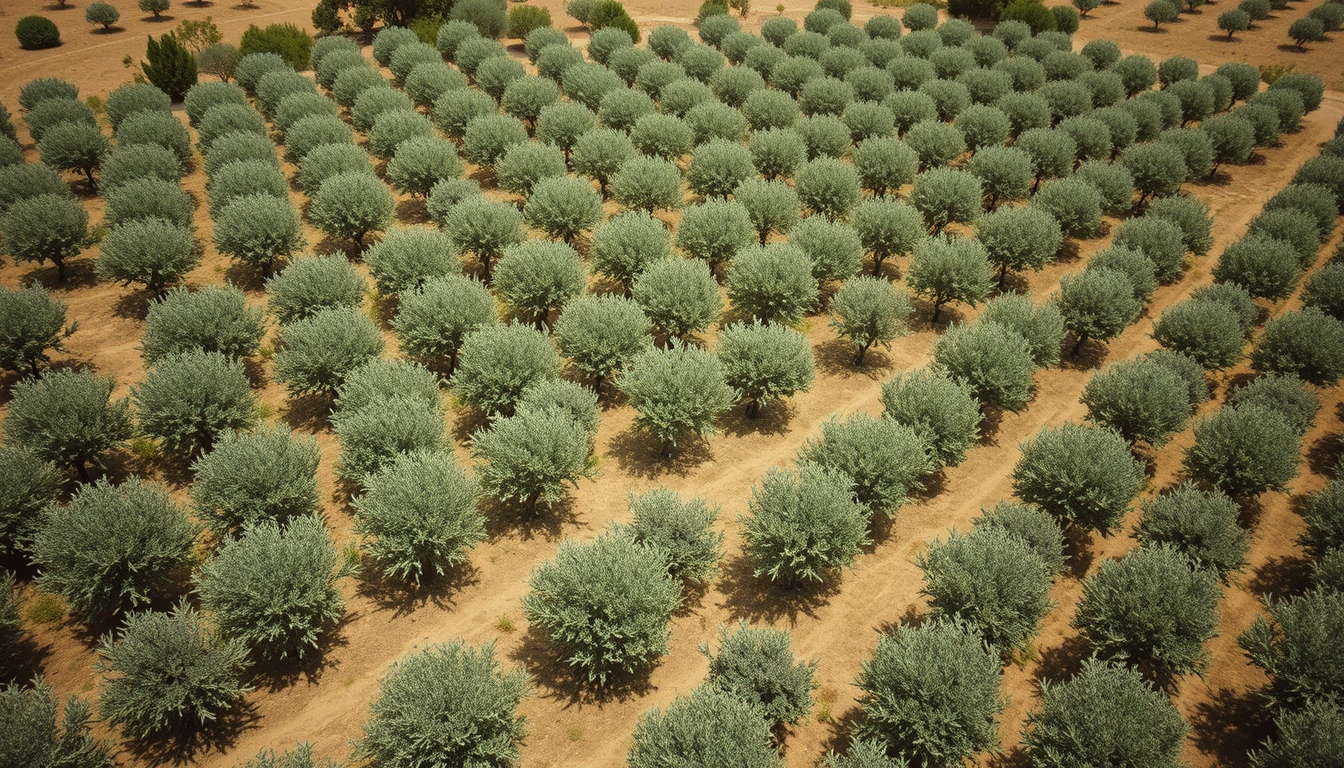
Aerial view of a Mediterranean olive grove: a millenary tradition, sustainable farming, and extra virgin olive oil driving economies.
About this subject
Olive trees are iconic in the Mediterranean basin, cultivated for over 6,000 years for olives and olive oil. Spain currently leads global olive oil production, followed by Italy and Greece. Aerial views of plantations reveal striking geometric patterns, often on hilly or coastal terrain where the Mediterranean climate, hot dry summers and mild winters, favors Olea europaea.
Olive cultivation is an economic and cultural pillar in regions like Andalusia, Sicily, and Crete. Extra virgin olive oil, cold-extracted, is prized for health benefits such as high monounsaturated fats and antioxidants. Beyond food, olives are used for preserves and cosmetics. Sustainable practices, including controlled irrigation and proper pruning, ensure quality and tree longevity, with some trees living centuries.
Modern high-density olive groves feature perfectly aligned rows for mechanical harvesting, while traditional groves have older, wider-spaced trees, such as those in Jaén, Spain. The Mediterranean landscape is inseparable from these silvery trees, which thrive in poor soils and salty winds, symbolizing resilience and the rural identity of ancient peoples.
Frequently Asked Questions
What is the economic importance of olive cultivation in the Mediterranean?
It is vital for Spain, Italy, and Greece, providing jobs in farming, oil production, and agritourism. Extra virgin olive oil is a high-value export worldwide.
How are olive plantations organized in aerial views?
Modern groves feature dense, straight rows for mechanical harvesting, while traditional ones have wider, irregular spacing reflecting older methods and uneven terrain.
How long do olive trees live and how are olives harvested?
Olive trees can live for centuries. Harvesting is done by beating branches (pole method) or mechanically with shakers. The optimal time is when olives change color, usually October to December in the Northern Hemisphere.
Direct URL
https://pub-c7d6a6ea828543ac903a74a341ccb2e1.r2.dev/imagens/mediterranean-olive-plantation-aerial-lo-fi-disposable-camera-p11.avifHow to credit
Include a visible link back to UtilizAí. Copy one of the snippets below:
<a href="https://xn--utiliza-eza.com/en/midia/imagens/mediterranean-olive-plantation-aerial-lo-fi-disposable-camera-p11">Mediterranean olive plantation aerial</a> by <a href="https://xn--utiliza-eza.com">UtilizAí</a>, licensed under <a href="https://creativecommons.org/licenses/by/4.0/">CC BY 4.0</a>.
[Mediterranean olive plantation aerial](https://xn--utiliza-eza.com/en/midia/imagens/mediterranean-olive-plantation-aerial-lo-fi-disposable-camera-p11) by [UtilizAí](https://xn--utiliza-eza.com), CC BY 4.0
License: CC-BY-4.0