Mediterranean olive plantation aerial
1344×768 · AVIF · CC BY 4.0
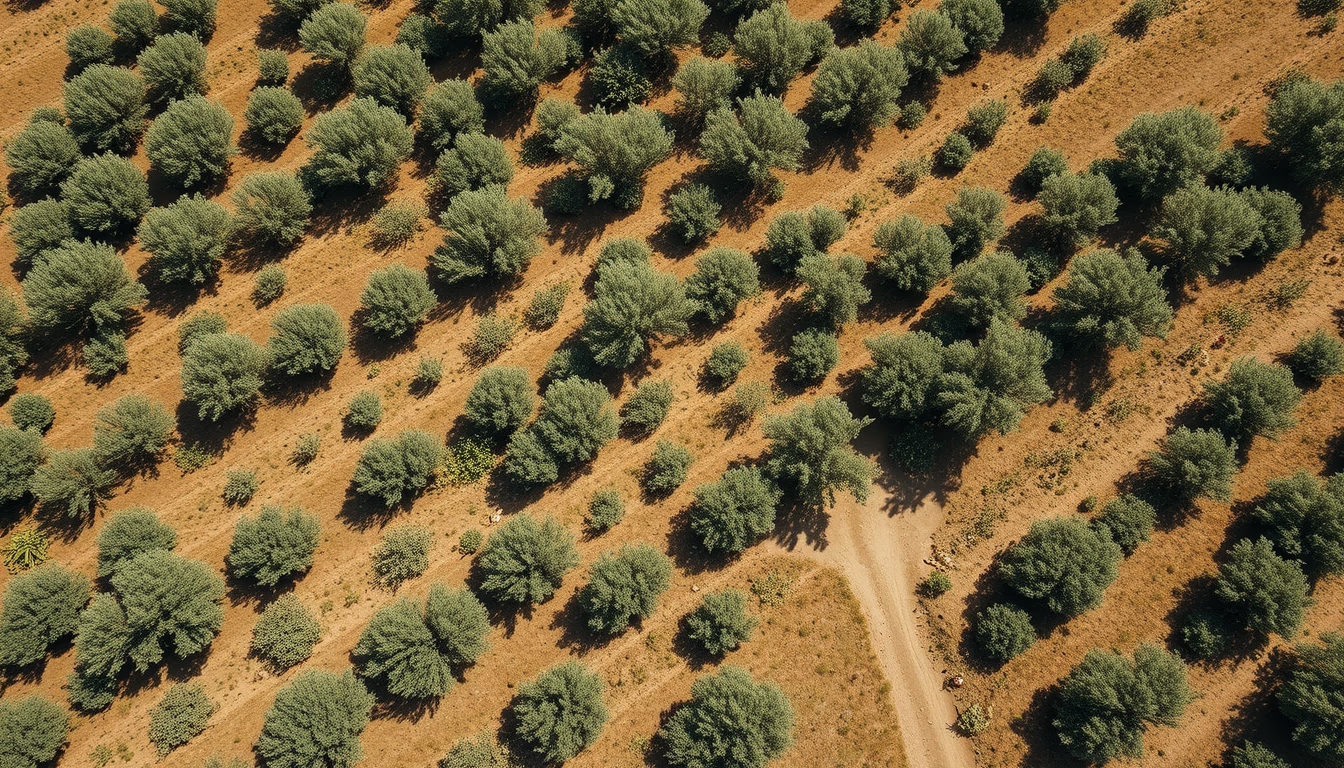
Mediterranean olive trees, cultivated for millennia, produce the world's olive oil and embody deep cultural heritage across Greece, Italy, and beyond.
About this subject
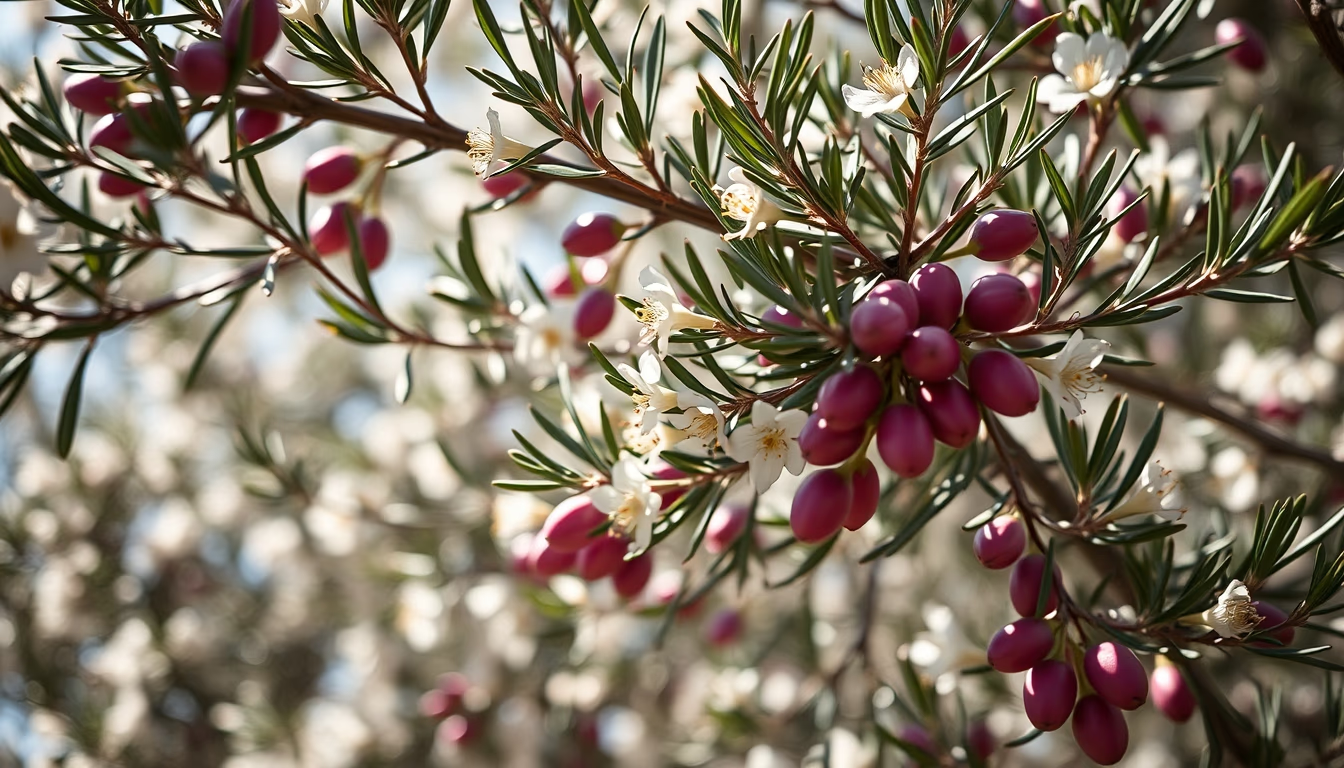
Olive trees (Olea europaea) rank among humanity's oldest cultivated plants, with domestication traces around 6000 years ago in the Levant. Across the Mediterranean basin, olives define landscapes, economies, and regional identities. Spain, Italy, Greece, Turkey, Morocco, and Tunisia account for over 95% of global olive production. Some trees live for millennia: specimens in Italy and Portugal exceed 3000 years, still bearing fruit.
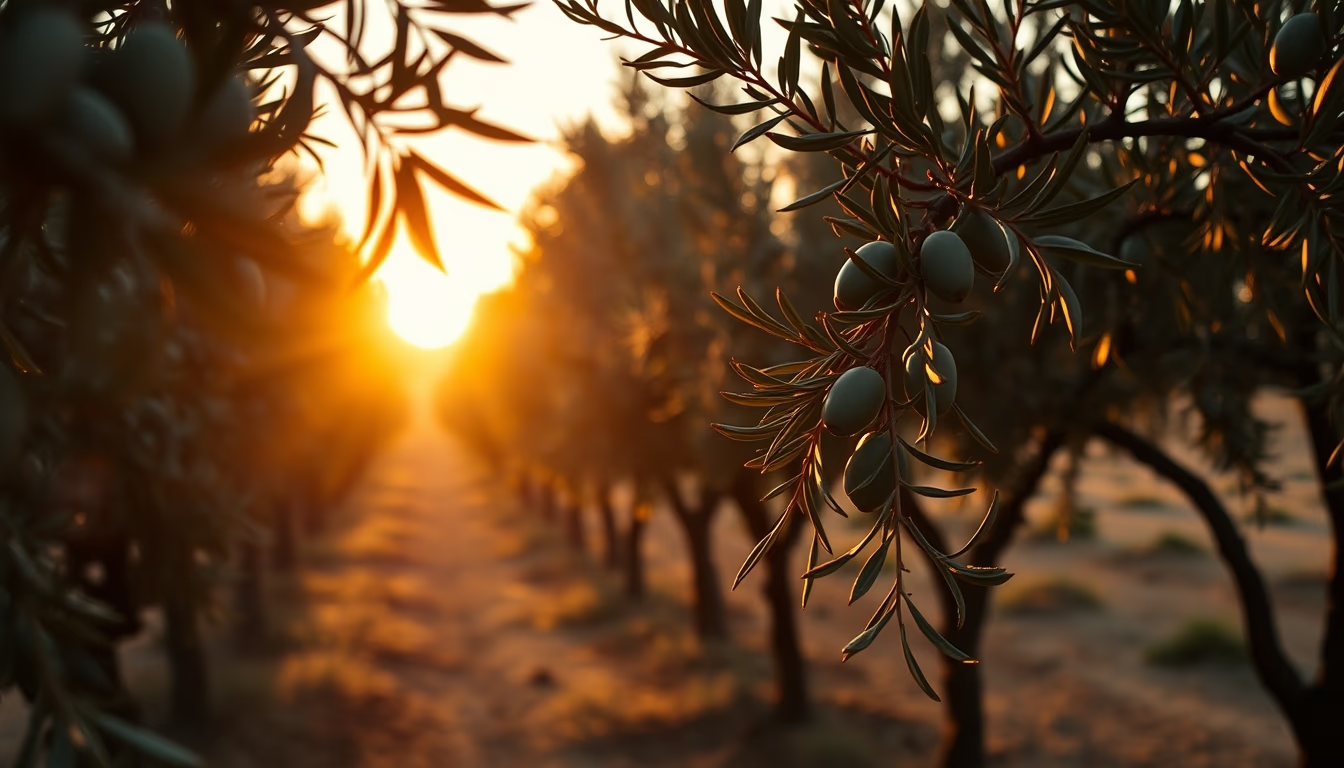
Cultivation adapts to terrain and climate: Greek mountainsides feature terraced groves; Andalusia's vast plateaus host mechanized orchards. Pruning is key for productivity and harvest ease. Traditional harvesting used poles or hand-picking, but many farms now employ mechanical shakers. Olives are harvested from October to January, depending on variety and intended use, for oil, when the fruit is green or beginning to darken.
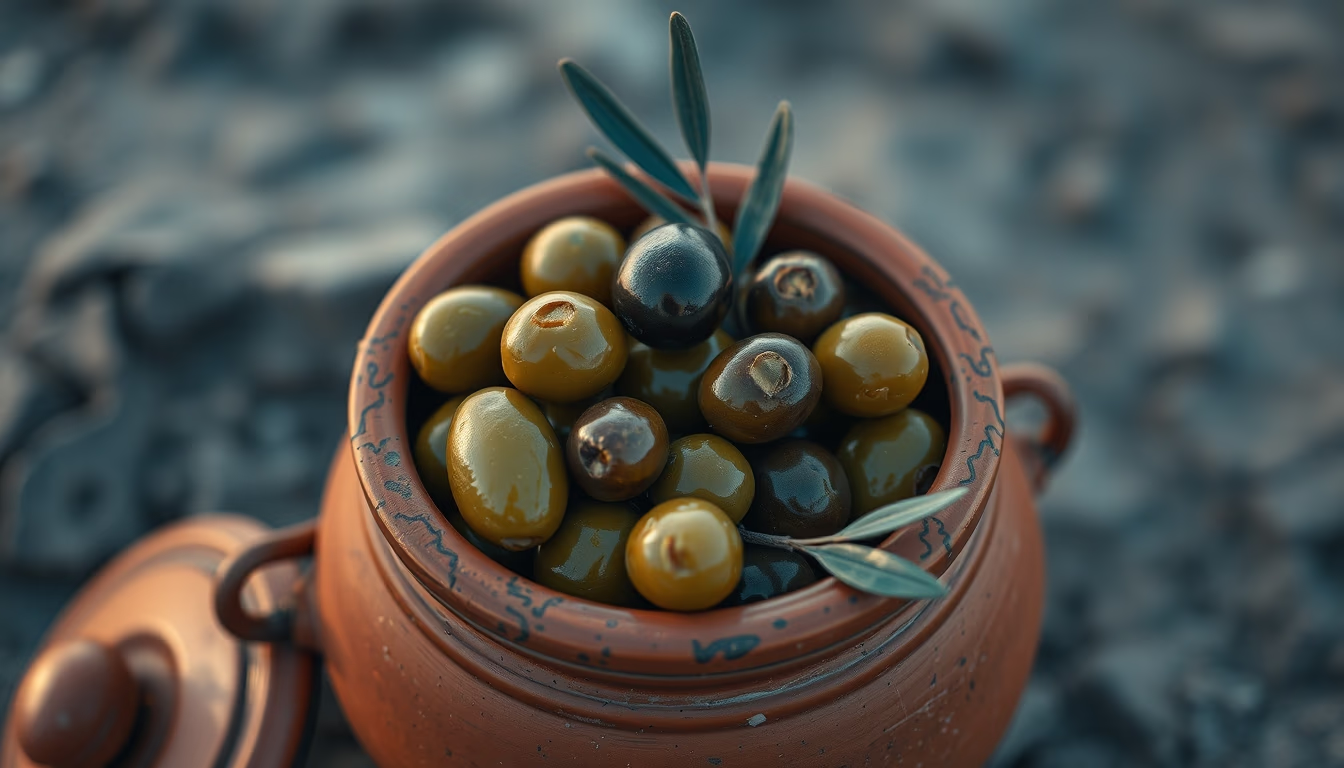
Extra virgin olive oil is the flagship product, prized for monounsaturated fats and polyphenols. Protected Designation of Origin (PDO) labels certify regional quality. Table olives are brine-cured or fermented. In ancient Greece, the olive was a gift from Athena, and oil was used for food, lamps, religious rites, and cosmetics. Global production now exceeds 3 million metric tons of olive oil annually.
Frequently Asked Questions
What is the difference between extra virgin and virgin olive oil?
Extra virgin olive oil has a maximum acidity of 0.8% and perfect sensory characteristics, while virgin oil can have up to 2% acidity and minor flavor or aroma flaws.
Do olive trees require a lot of water?
Olive trees are drought-tolerant, but strategic irrigation boosts yields. In Mediterranean climates, they thrive with little water, though drip irrigation is common in intensive orchards.
How long does it take for an olive tree to start producing?
Saplings typically bear first fruit after 3 to 5 years, reaching full production at 8 to 12 years, and can continue for centuries.
Direct URL
https://pub-c7d6a6ea828543ac903a74a341ccb2e1.r2.dev/imagens/mediterranean-olive-plantation-aerial-high-fashion-editorial-p8.avifHow to credit
Include a visible link back to UtilizAí. Copy one of the snippets below:
<a href="https://xn--utiliza-eza.com/en/midia/imagens/mediterranean-olive-plantation-aerial-high-fashion-editorial-p8">Mediterranean olive plantation aerial</a> by <a href="https://xn--utiliza-eza.com">UtilizAí</a>, licensed under <a href="https://creativecommons.org/licenses/by/4.0/">CC BY 4.0</a>.
[Mediterranean olive plantation aerial](https://xn--utiliza-eza.com/en/midia/imagens/mediterranean-olive-plantation-aerial-high-fashion-editorial-p8) by [UtilizAí](https://xn--utiliza-eza.com), CC BY 4.0
License: CC-BY-4.0