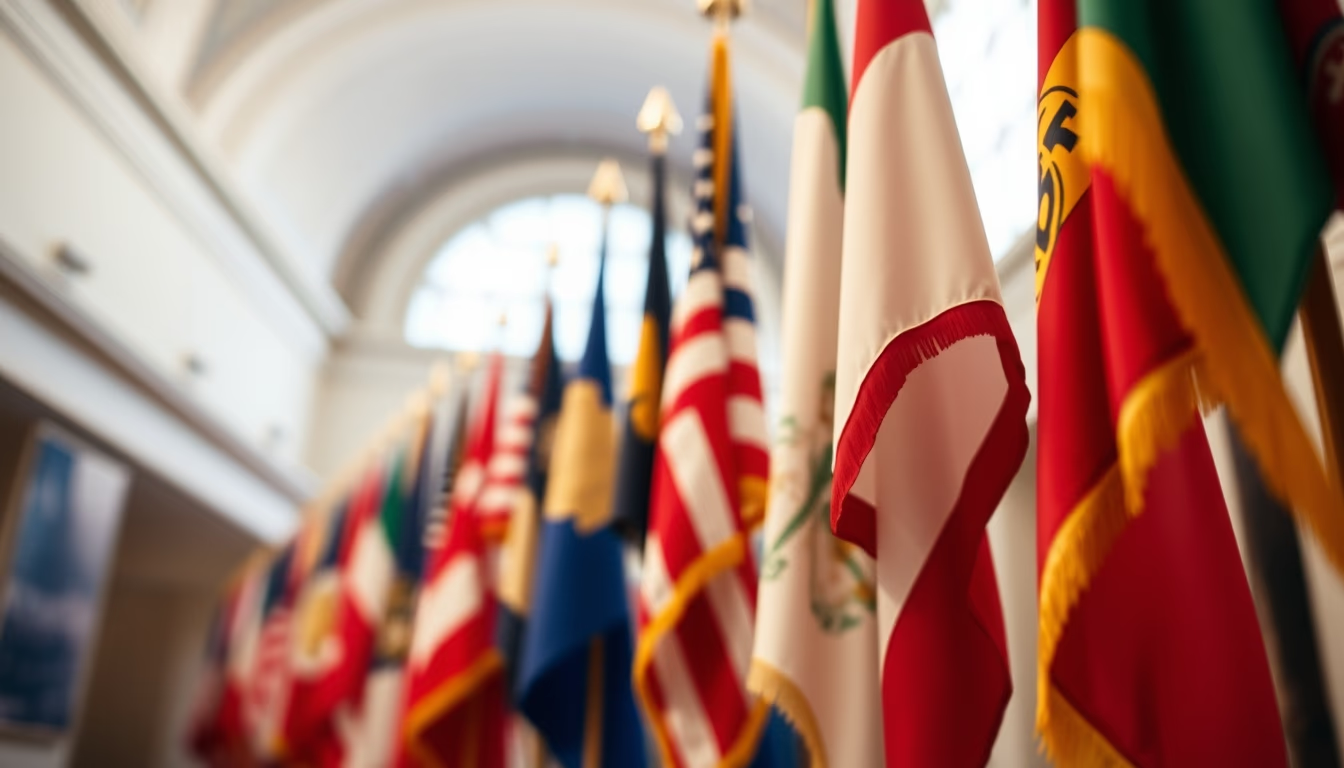
Maritime signal flags
1344×768 · AVIF · CC BY 4.0
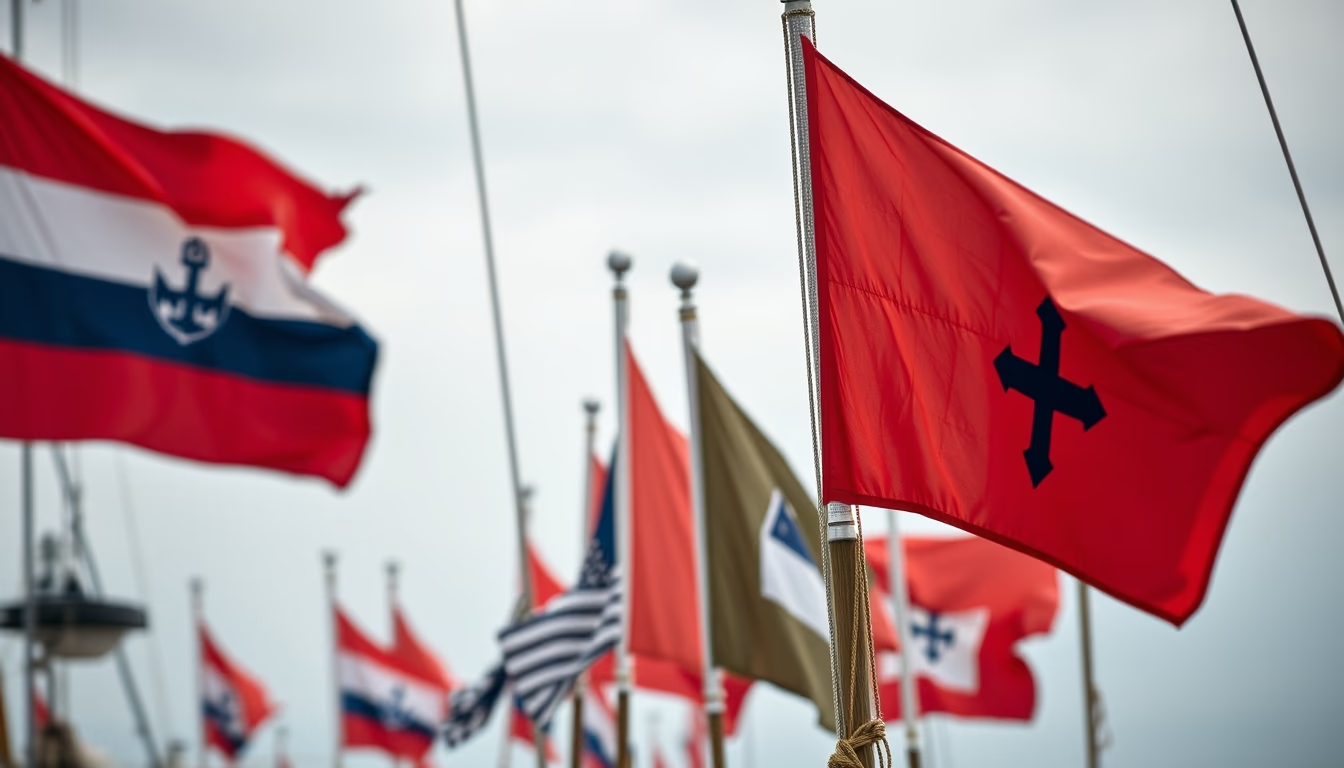
Maritime signal flags constitute an international code of visual communication between ships and ports, composed of 40 flags representing letters, numbers, and specific messages.
About this subject
Maritime signal flags are part of the International Code of Signals (ICS), established in 1855 and revised over the years to standardize communication at sea. Each of the 26 alphabet flags, 10 numeral flags, 3 substitutes, and 1 answering pennant has an independent meaning and can be combined to form complex messages. For instance, the 'A' flag (Alfa) denotes 'diver submerged' and warns other vessels to keep distance, while the 'Z' flag (Zulu) requests assistance or removal to deeper waters.
The use of flags dates back to antiquity, but the formalization of the code occurred in the 19th century due to increased maritime traffic and safety needs. Besides letters, there are special flags for danger signals, such as the 'P' flag (Papa) indicating the vessel is about to sail, and the 'H' flag (Hotel) used for pilots on board. The system also includes flags to represent numbers 0 through 9, which combined with letters form call signs or geographic positions.
Culturally, signal flags are a symbol of nautical knowledge and appear in regattas, naval ceremonies, and thematic decoration. Accuracy in interpretation is vital: a flag hoisted upside down can change its meaning, causing hazards. Nowadays, although radio and GPS have reduced daily use, flags remain mandatory on merchant and military vessels, especially in emergencies or when electronic systems fail. The design of each flag follows color and shape standards for maximum visibility in adverse maritime conditions.
Interestingly, the ICS has influenced other visual codes, such as signaling flags at airports and even in sports competitions. In Brazil, use is regulated by the Brazilian Navy, which adopts the international code. Preserving this system is a link to the history of navigation, and naval museums often display complete collections of these flags.
Frequently Asked Questions
How many flags make up the International Code of Signals?
The code contains 40 flags: 26 letters, 10 numerals, 3 substitute flags, and 1 answering pennant. Each has a standardized meaning.
Are maritime signal flags still used today?
Yes, they are mandatory on merchant and military vessels, especially for emergencies or when radio communication fails. They are also used in regattas and ceremonies.
What does the 'A' (Alfa) flag mean in the code?
The Alfa flag means 'diver submerged' and warns other vessels to keep clear and proceed at slow speed, indicating divers are in the water.
Direct URL
https://pub-c7d6a6ea828543ac903a74a341ccb2e1.r2.dev/imagens/maritime-signal-flags-documentary-nature-style-fresh5.avifHow to credit
Include a visible link back to UtilizAí. Copy one of the snippets below:
<a href="https://xn--utiliza-eza.com/en/midia/imagens/maritime-signal-flags-documentary-nature-style-fresh5">Maritime signal flags</a> by <a href="https://xn--utiliza-eza.com">UtilizAí</a>, licensed under <a href="https://creativecommons.org/licenses/by/4.0/">CC BY 4.0</a>.
[Maritime signal flags](https://xn--utiliza-eza.com/en/midia/imagens/maritime-signal-flags-documentary-nature-style-fresh5) by [UtilizAí](https://xn--utiliza-eza.com), CC BY 4.0
License: CC-BY-4.0