Manta ray swimming
1344×768 · AVIF · CC BY 4.0
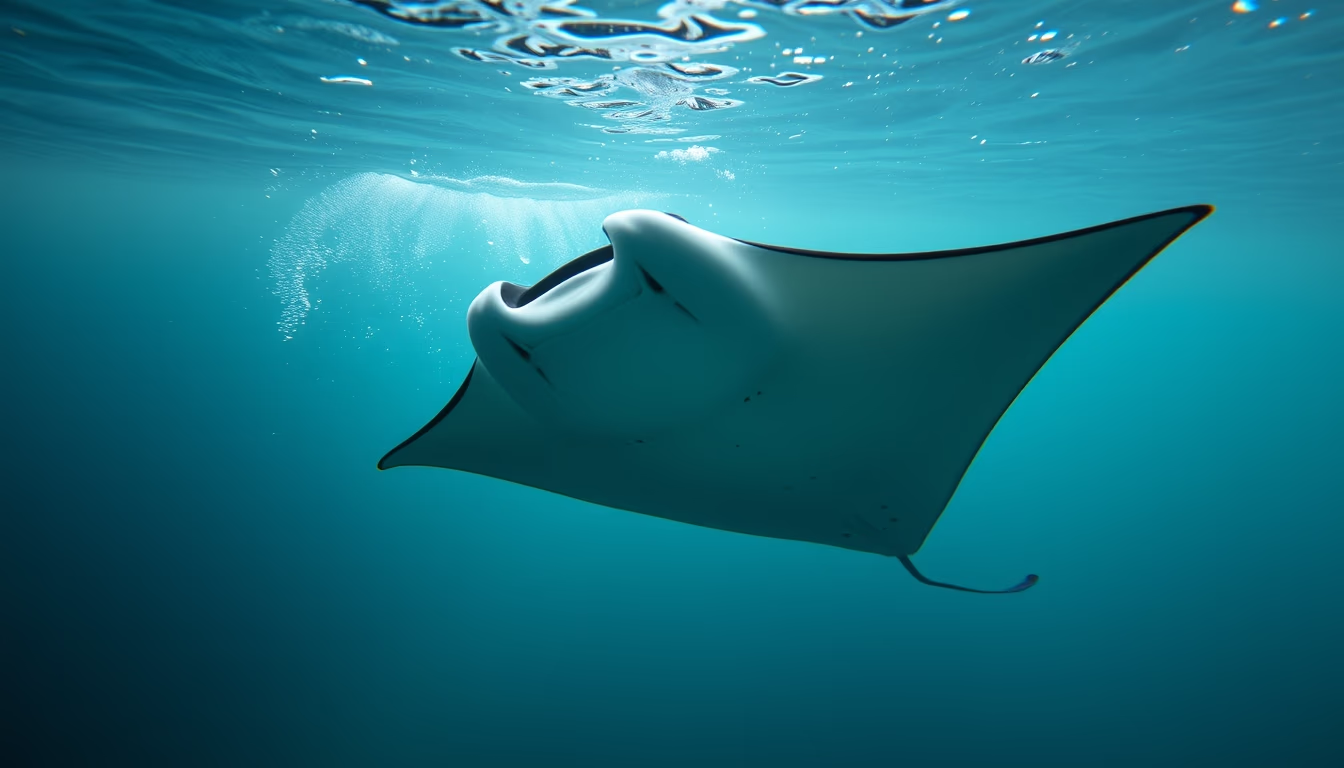
Manta rays are majestic cartilaginous fish, known for their impressive wingspan and peaceful behavior.
About this subject
Manta rays belong to the genus Manta and are the largest members of the ray order, reaching up to 7 meters in wingspan and weighing over 1,300 kilograms. Unlike stingrays, mantas lack a stinger and feed exclusively on plankton, using their cephalic fins to funnel water filled with prey into their mouths. They are considered the fish with the highest brain-to-body mass ratio, which is linked to complex behaviors such as breaching and curious interactions with divers.
These animals inhabit tropical and subtropical waters worldwide, from coral reefs to open ocean. Locations such as the Fernando de Noronha archipelago in Brazil and the Maldives are known for seasonal manta aggregations, where they gather at cleaning stations to have parasites removed by small fish. Mantas are migratory and can travel long distances following plankton blooms, but they also show site fidelity to specific feeding areas over the years.
The International Union for Conservation of Nature (IUCN) classifies both manta ray species as vulnerable to extinction. The main threats are bycatch in trawl nets and longlines, as well as targeted fishing for their gill rakers, used in traditional Chinese medicine. Responsible ecotourism initiatives, such as observation diving, have been crucial for manta conservation, creating economic value for their protection and encouraging the establishment of marine protected areas in various countries.
Frequently Asked Questions
What is the difference between a manta ray and a stingray?
Manta rays are larger, lack a venomous stinger, and are filter feeders that eat plankton. Stingrays have a barbed tail with venom and hunt bottom-dwelling prey. Mantas also have cephalic fins near their mouth, which stingrays do not.
Are manta rays dangerous to humans?
No. Manta rays are harmless to humans. They are curious and may approach divers, but they have no stinger and are not aggressive. The real threat is human activity, such as fishing and boat strikes.
Where is the best place to dive with manta rays?
Top destinations include the Maldives, Indonesia (Raja Ampat), Mexico (Isla Holbox), and Brazil (Fernando de Noronha). These locations have cleaning stations and feeding aggregations that attract mantas year-round.
Direct URL
https://pub-c7d6a6ea828543ac903a74a341ccb2e1.r2.dev/imagens/manta-ray-swimming-magazine-editorial-p6.avifHow to credit
Include a visible link back to UtilizAí. Copy one of the snippets below:
<a href="https://xn--utiliza-eza.com/en/midia/imagens/manta-ray-swimming-magazine-editorial-p6">Manta ray swimming</a> by <a href="https://xn--utiliza-eza.com">UtilizAí</a>, licensed under <a href="https://creativecommons.org/licenses/by/4.0/">CC BY 4.0</a>.
[Manta ray swimming](https://xn--utiliza-eza.com/en/midia/imagens/manta-ray-swimming-magazine-editorial-p6) by [UtilizAí](https://xn--utiliza-eza.com), CC BY 4.0
License: CC-BY-4.0