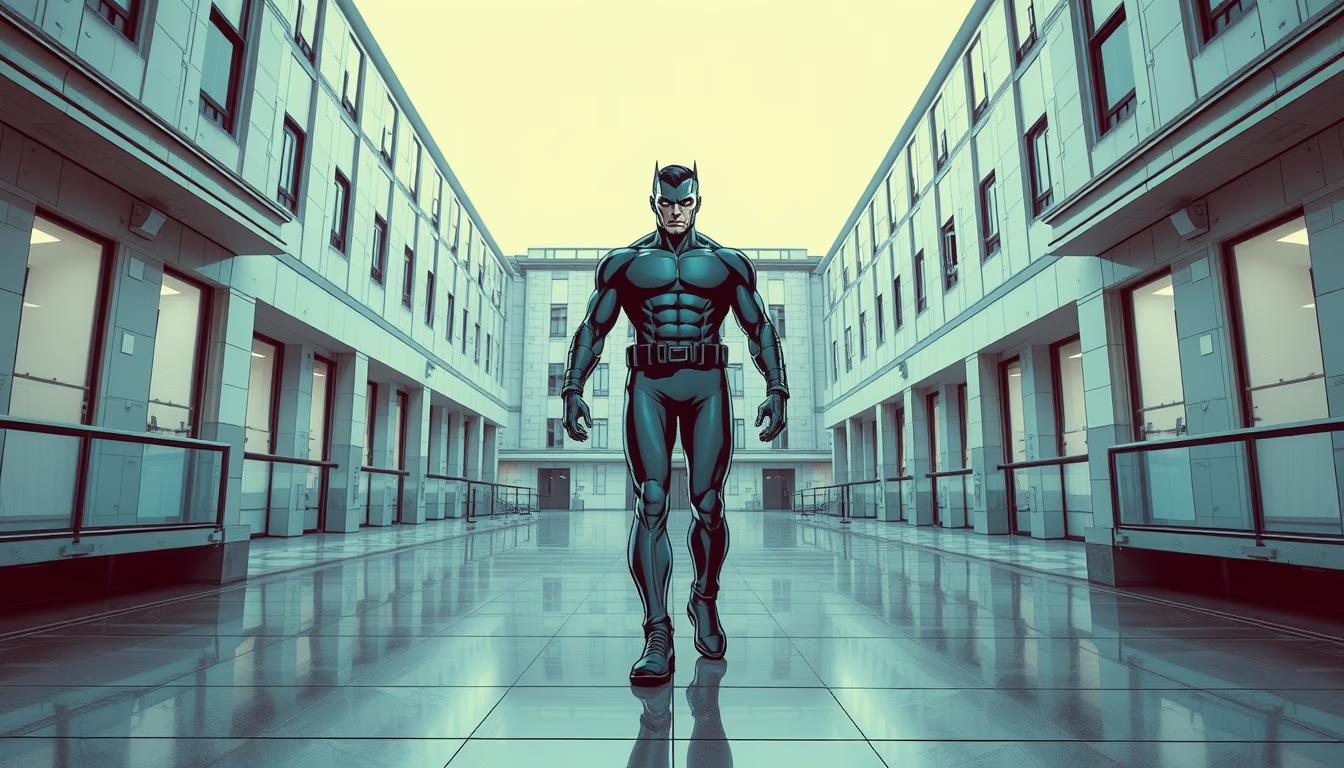
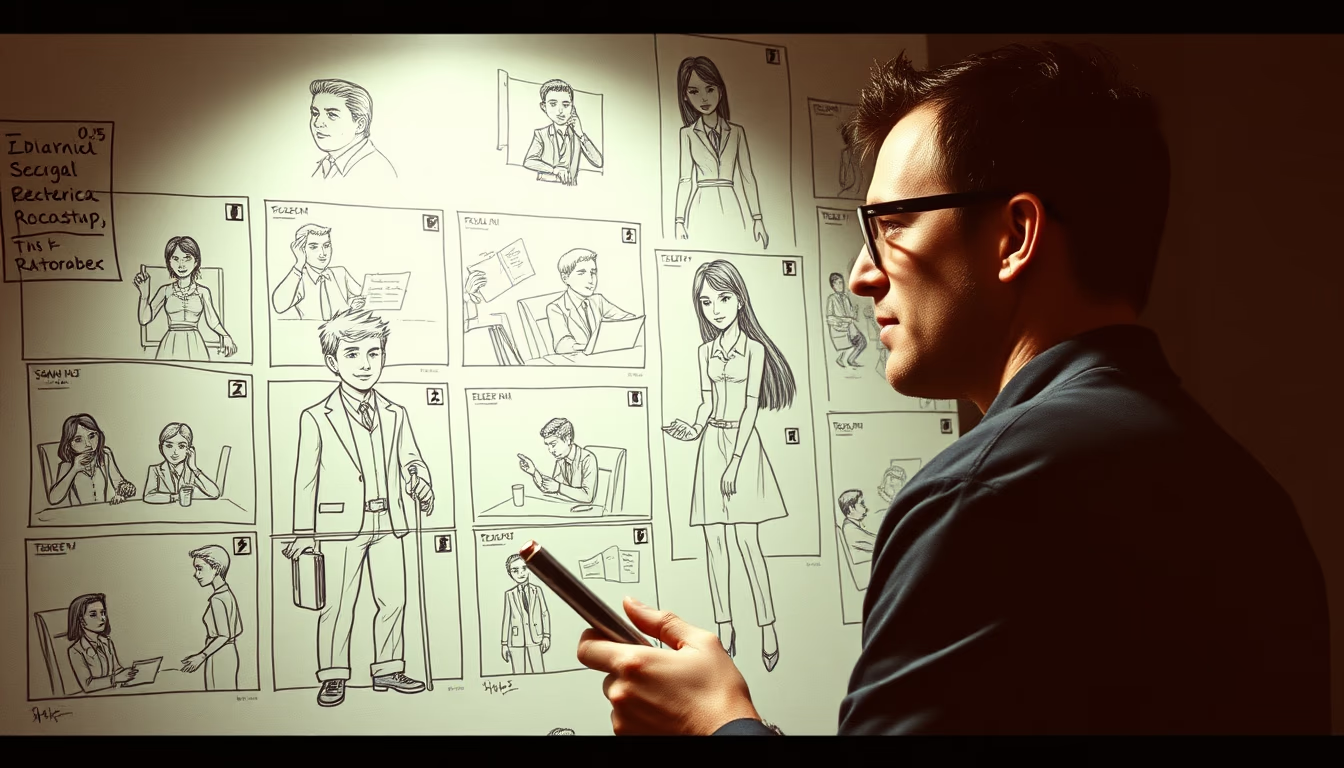
Manga panels black white
1344×768 · AVIF · CC BY 4.0
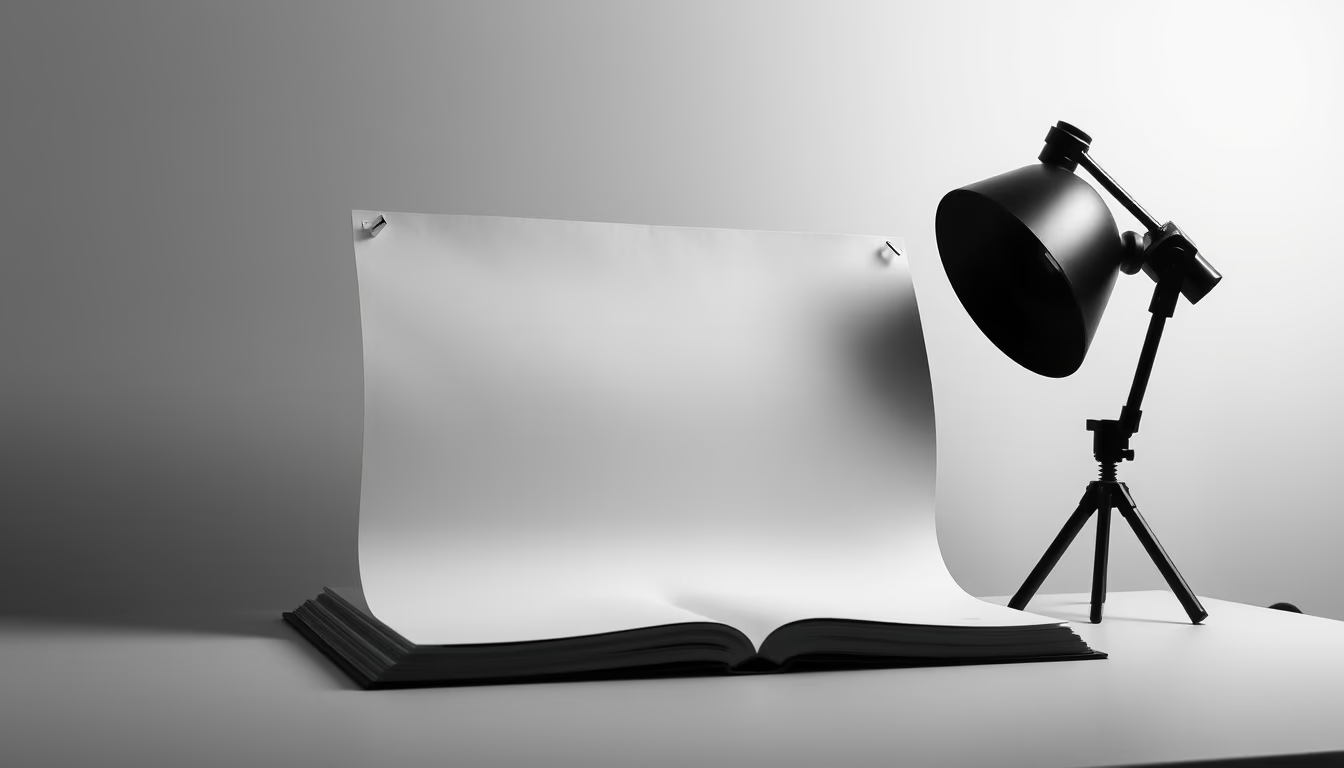
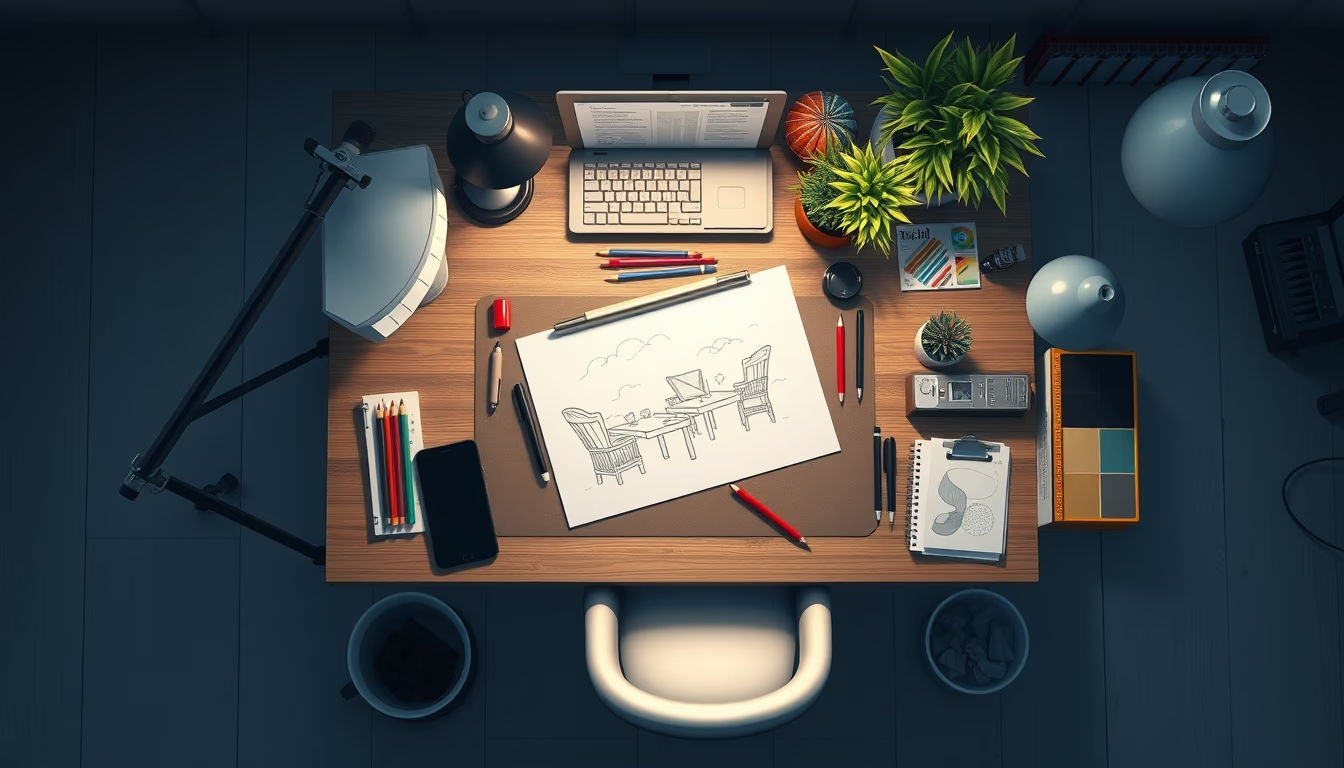
Explore the art of black and white manga panels, a visual style that defines the narrative and aesthetic of this globally beloved Japanese medium.
About this subject
Manga is traditionally published in black and white due to cost and efficiency. This limited palette, however, became a hallmark of the medium, forcing artists to master techniques such as hatching, stippling, and screentones to convey textures, shadows, and emotions. The absence of color makes the reader focus on panel composition, page flow, and expressiveness of lines, creating a unique reading experience.
Masters like Osamu Tezuka, Akira Toriyama, and Kentaro Miura have used black and white with brilliance. Tezuka incorporated cinematic and theatrical influences to create dynamic angles and fluid action sequences. Miura, in Berserk, used extreme contrasts to emphasize horror and epic scale. In Brazil, manga has captivated generations since the 1990s with titles like Dragon Ball and Saint Seiya, and the black and white style is recognized and cherished by Brazilian fans.
Panel layout is another crucial aspect. Mangakas design reading flow in either Western or Japanese direction (right to left), guiding the eye with varied panel sizes and shapes. Larger panels indicate key moments, while sequences of smaller panels accelerate pace. This visual language has been refined over decades and even influences Western comics.
Today, with digitalization, many artists produce black and white manga on computers, maintaining the aesthetic tradition. The choice for monochrome is not only economic but also aesthetic: it allows more dramatic contrast and faster reading, ideal for weekly serialized publications. Black and white in manga is thus a convention that has become art.
Frequently Asked Questions
Why are manga panels black and white?
Mainly due to cost and production speed. Color printing is much more expensive and time-consuming, and the black and white format allows mangakas to publish chapters weekly with higher frequency.
How do artists create shading and textures without colors?
They use techniques like hatching (parallel lines), stippling, and especially screentones, which are adhesive sheets with dot patterns that simulate shading, textures like metal or fabric, and even gradients.
Does panel layout affect reading?
Yes, the size and arrangement of panels control the narrative rhythm. Larger panels highlight important moments, while sequences of small panels accelerate action. The reading direction (Western or Japanese) is also designed to guide the eye.
Direct URL
https://pub-c7d6a6ea828543ac903a74a341ccb2e1.r2.dev/imagens/manga-panels-black-white-studio-still-life-fresh2.avifHow to credit
Include a visible link back to UtilizAí. Copy one of the snippets below:
<a href="https://xn--utiliza-eza.com/en/midia/imagens/manga-panels-black-white-studio-still-life-fresh2">Manga panels black white</a> by <a href="https://xn--utiliza-eza.com">UtilizAí</a>, licensed under <a href="https://creativecommons.org/licenses/by/4.0/">CC BY 4.0</a>.
[Manga panels black white](https://xn--utiliza-eza.com/en/midia/imagens/manga-panels-black-white-studio-still-life-fresh2) by [UtilizAí](https://xn--utiliza-eza.com), CC BY 4.0
License: CC-BY-4.0