Manga panels black white
1344×768 · AVIF · CC BY 4.0
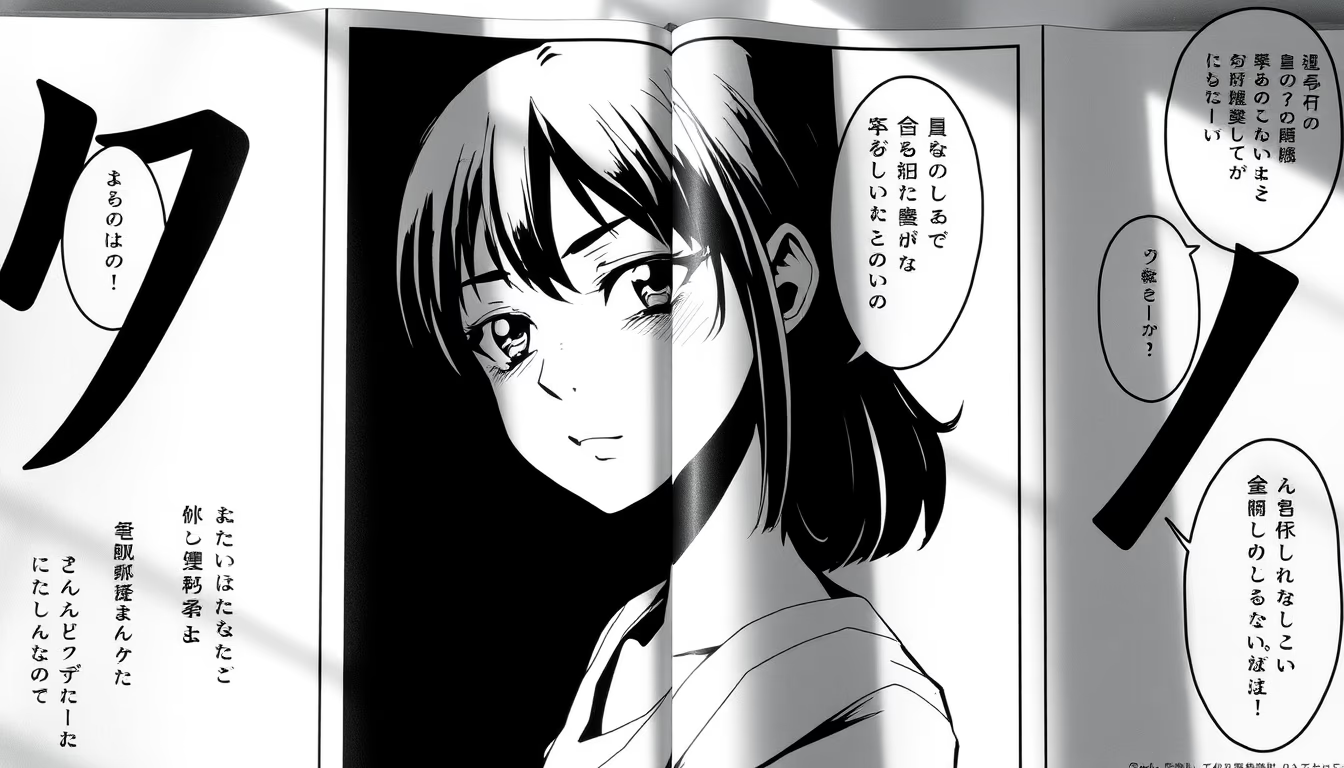
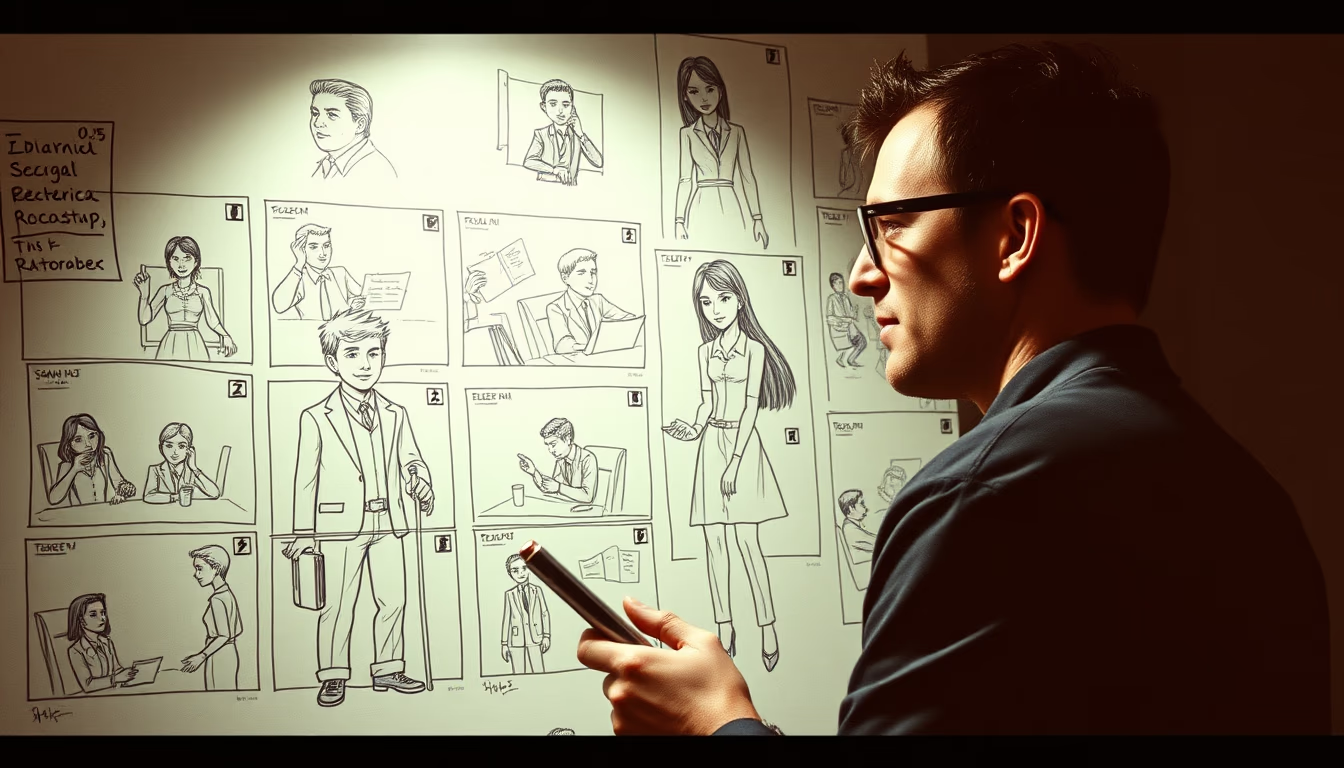
Black and white manga panels are the essence of Japanese visual storytelling, combining technique and expression in every stroke.
About this subject
In Japan, the production of manga in black and white was not merely an aesthetic choice but also an economic necessity. Early weekly magazines needed low printing costs to maintain frequency, and monochrome allowed for larger print runs and affordable prices. Over time, this limitation became a hallmark of Japanese sequential art.
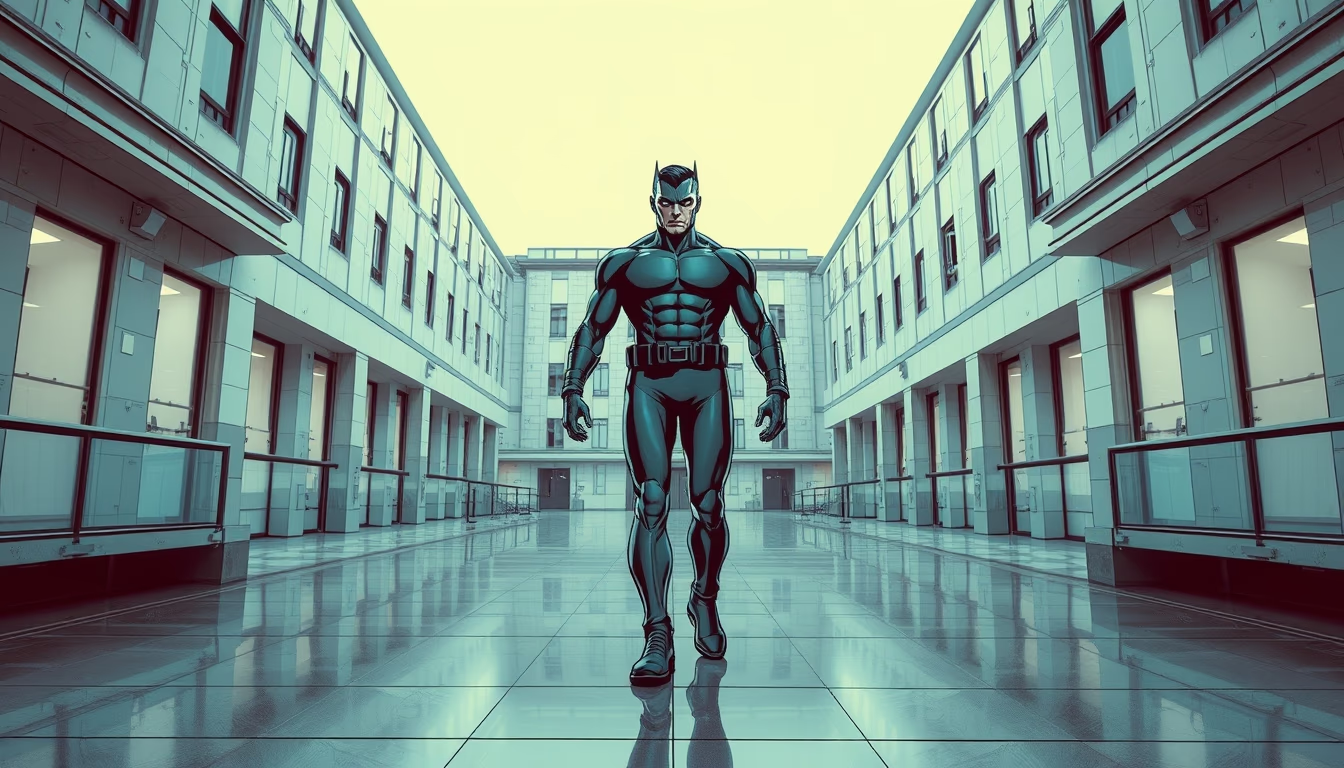
Manga artists develop sophisticated techniques to convey volume, texture, and atmosphere without colors. Hatching, mechanical screen tones, and contrasts of black and white create everything from intense action scenes to introspective moments. Pure black is used for dramatic silhouettes or to indicate psychological shadows, while the white of the paper suggests light, memory, or emptiness.
Unlike Western comics, which are often published in color, manga maintains its monochromatic style even in collected volumes. This tradition influenced the aesthetics of animations like 'Akira' and 'Ghost in the Shell', which use reduced palettes to honor the original pages. Reading from right to left is another feature that reinforces immersion in Japanese culture.
Interestingly, black and white allows readers to focus on the narrative rhythm and the emotion of the lines without chromatic distractions. Artists like Osamu Tezuka, known as the 'God of Manga', mastered this art to the point where his pages are examples of clarity and movement. Today, even with digital tools, many mangaka prefer to finish their work in black and white to preserve that unique visual identity.
Frequently Asked Questions
Why are most manga in black and white?
Historically, black-and-white production reduced printing costs, allowing weekly magazines to publish hundreds of pages at an affordable price. This tradition became entrenched and is now a valued aesthetic characteristic among readers and artists.
How do artists create shadows and textures in manga?
They use fine hatching, mechanical screen tones, and solid black areas. The contrast between white paper and black ink creates volume, while dotted patterns suggest textures like metal, skin, or fabric.
What is the difference between manga and Western comics in terms of art?
Manga emphasizes expressive lines, large eyes, and dynamic framing, plus right-to-left reading. While many Western comics are colored, manga maintains black and white to focus on linework and storytelling.
Direct URL
https://pub-c7d6a6ea828543ac903a74a341ccb2e1.r2.dev/imagens/manga-panels-black-white-magazine-editorial-fresh15.avifHow to credit
Include a visible link back to UtilizAí. Copy one of the snippets below:
<a href="https://xn--utiliza-eza.com/en/midia/imagens/manga-panels-black-white-magazine-editorial-fresh15">Manga panels black white</a> by <a href="https://xn--utiliza-eza.com">UtilizAí</a>, licensed under <a href="https://creativecommons.org/licenses/by/4.0/">CC BY 4.0</a>.
[Manga panels black white](https://xn--utiliza-eza.com/en/midia/imagens/manga-panels-black-white-magazine-editorial-fresh15) by [UtilizAí](https://xn--utiliza-eza.com), CC BY 4.0
License: CC-BY-4.0